




How does a track tamper work?
 Jul 30, 2025|
 A track tamper, also known as a tamping machine, is a vital piece of equipment in the railway maintenance industry. As a leading track tamper supplier, I am excited to share with you how these remarkable machines work.
The Basics of Track Tamping
Before delving into the working mechanism of a track tamper, it's essential to understand why track tamping is necessary. Over time, railway tracks are subjected to the heavy loads of trains, which causes the ballast (the crushed stones beneath the sleepers) to become compacted and uneven. This can lead to misaligned tracks, reduced ride quality, and even safety hazards. Track tamping is the process of packing the ballast under the sleepers to restore the correct alignment and level of the tracks.
Components of a Track Tamper
A typical track tamper consists of several key components, each playing a crucial role in the tamping process:
- Frame and Chassis: The frame provides the structural support for the entire machine, while the chassis houses the engine, hydraulic systems, and other vital components.
- Tamping Units: These are the most important parts of the track tamper. They consist of a set of tamping tools, usually in the form of tines or picks, which are inserted into the ballast under the sleepers to compact it.
- Lifting and Aligning Systems: These systems are used to lift the tracks to the correct level and align them laterally. They typically use hydraulic cylinders to apply the necessary force.
- Power Source: Track tampers can be powered by various sources, including diesel engines, electric motors, or a combination of both. The power source provides the energy needed to operate the tamping units, lifting and aligning systems, and other components.
- Control System: The control system allows the operator to control the movement and operation of the track tamper. It typically includes a console with various switches, levers, and gauges.
The Working Process of a Track Tamper
The working process of a track tamper can be divided into several steps:
- Positioning: The track tamper is first positioned over the section of track that needs to be tamped. This is usually done using a set of guide wheels or a laser guidance system to ensure accurate positioning.
- Lifting and Aligning: Once the track tamper is in position, the lifting and aligning systems are activated to lift the tracks to the correct level and align them laterally. This is done by measuring the existing track geometry and comparing it to the desired geometry, and then making the necessary adjustments.
- Tamping: After the tracks have been lifted and aligned, the tamping units are lowered into the ballast under the sleepers. The tamping tools then vibrate and penetrate the ballast, compacting it and packing it tightly around the sleepers. This process is repeated several times to ensure that the ballast is evenly compacted.
- Finishing: Once the tamping process is complete, the track tamper is moved to the next section of track, and the process is repeated. After all the necessary sections of track have been tamped, the tracks are inspected to ensure that they are in the correct alignment and level.
Types of Track Tampers
There are several types of track tampers available, each designed for specific applications and track conditions:
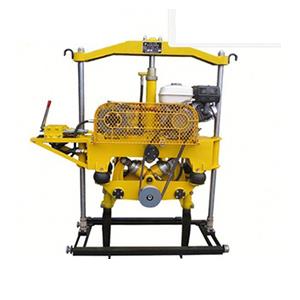
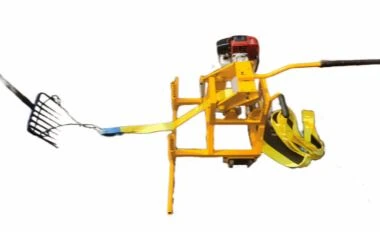
- Single-Bloc Tampers: These are the most common type of track tamper. They are designed to tamp a single sleeper at a time and are suitable for use on straight tracks and curves with a large radius.
- Multi-Bloc Tampers: These tampers are capable of tamping multiple sleepers at the same time, which makes them more efficient than single-bloc tampers. They are typically used on high-speed railways and mainline tracks.
- Mobile Tampers: These are self-propelled track tampers that can be easily moved from one location to another. They are suitable for use on both mainline tracks and secondary tracks.
- Static Tampers: These tampers are stationary and are typically used in railway workshops and maintenance depots. They are used to tamp tracks that are being repaired or maintained.
Advantages of Using a Track Tamper
Using a track tamper offers several advantages over traditional manual tamping methods:
- Increased Efficiency: Track tampers can tamp a large section of track in a relatively short period of time, which significantly reduces the time and labor required for track maintenance.
- Improved Quality: Track tampers are capable of achieving a higher level of accuracy and consistency in the tamping process, which results in better track alignment and a smoother ride for trains.
- Enhanced Safety: By ensuring that the tracks are properly aligned and level, track tampers help to reduce the risk of derailments and other safety hazards.
- Cost Savings: Although track tampers require a significant initial investment, they can result in long-term cost savings by reducing the frequency of track maintenance and improving the lifespan of the tracks.
Our Track Tamper Products
As a leading track tamper supplier, we offer a wide range of high-quality track tamper products to meet the needs of our customers. Our products include Internal Combustion Slope Protection Shaping Machine, Railroad Tamper For Sale, and Hydraulic Ballast Tamper Railway. Our track tampers are designed and manufactured using the latest technology and are built to last. They are also easy to operate and maintain, which makes them a popular choice among railway maintenance professionals.
Contact Us for Track Tamper Procurement
If you are interested in purchasing a track tamper or have any questions about our products, please do not hesitate to contact us. Our team of experts will be happy to assist you in selecting the right track tamper for your needs and provide you with a competitive quote. We look forward to working with you to ensure the safety and efficiency of your railway tracks.