




How to test if Switch Tamper is working properly?
 Jul 30, 2025|
 As a supplier of Switch Tamper equipment, ensuring the proper functioning of these machines is of utmost importance. A well - working Switch Tamper not only guarantees the safety of railway operations but also contributes to the long - term durability of railway tracks. In this blog, I'll share some effective methods to test if a Switch Tamper is working properly.
Pre - test Inspection
Before conducting any actual tests, a thorough pre - test inspection is necessary. This includes a visual check of all the components of the Switch Tamper. First, examine the tamping tools. Look for any signs of wear and tear, such as cracks, excessive abrasion, or deformation. The tamping tools are the key parts that interact directly with the ballast, and any damage to them can significantly affect the tamping quality.
Next, check the hydraulic system. The hydraulic system is the power source for most Switch Tampers. Inspect the hydraulic hoses for leaks, bulges, or cuts. A leak in the hydraulic system can lead to a loss of pressure, which in turn will cause the tamping action to be ineffective. Also, check the hydraulic fluid level. If the fluid level is too low, it may indicate a leak or insufficient filling. The hydraulic fluid should be clean and free of contaminants.
Examine the control panel and electrical components. Make sure all the switches, buttons, and indicators are in good working condition. Check for any loose connections or signs of electrical damage, such as burnt wires or melted insulation. A malfunction in the electrical system can disrupt the operation of the Switch Tamper and pose a safety hazard.
Operational Tests
Tamping Force Test
The tamping force is a crucial parameter for a Switch Tamper. To test the tamping force, you can use a load cell. Place the load cell between the tamping tool and a fixed surface, such as a test block. Operate the Switch Tamper to perform the tamping action, and record the force readings on the load cell. Compare the measured force with the manufacturer's specifications. If the measured force is significantly lower than the specified value, it may indicate a problem with the hydraulic system, such as a weak pump or a clogged valve.
Tamping Depth Test
The tamping depth also affects the quality of track maintenance. Use a depth gauge to measure the tamping depth. Mark the initial position of the tamping tool on the track, then operate the Switch Tamper. After the tamping action is completed, measure the distance between the initial position and the final position of the tamping tool. The tamping depth should be consistent across different tamping points. Inconsistent tamping depth may be caused by uneven ballast, a malfunctioning lifting mechanism, or improper adjustment of the tamping tool.
Tamping Frequency Test
The tamping frequency determines how quickly the tamping tool vibrates. You can use a frequency meter to measure the tamping frequency. Place the frequency meter near the tamping tool and start the Switch Tamper. The measured frequency should match the design frequency of the machine. A deviation in the tamping frequency can affect the compaction effect of the ballast.
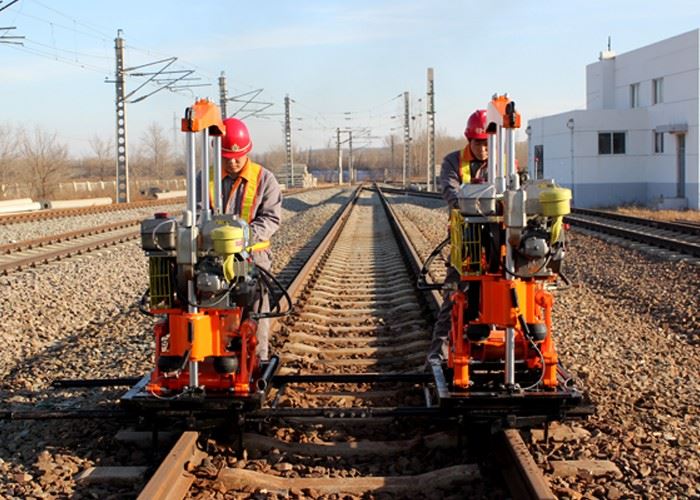
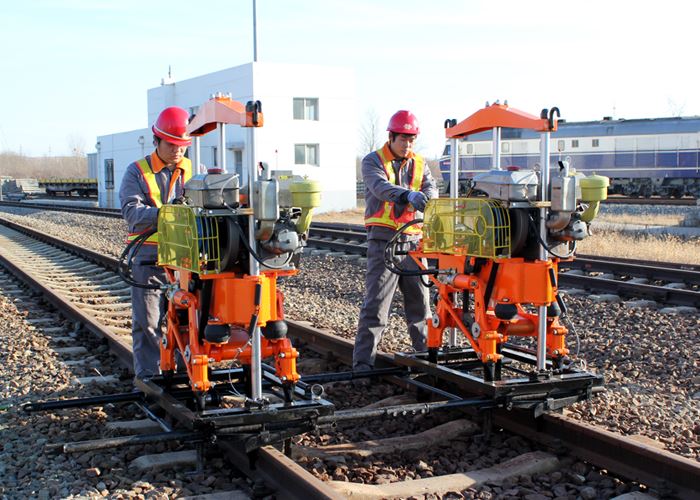
Mobility Test
A Switch Tamper needs to be mobile to move along the railway track. Test the mobility of the machine by moving it forward and backward on a test track. Check the smoothness of the movement. Any jerks, vibrations, or abnormal noises during the movement may indicate problems with the drive system, such as a worn - out gearbox or a faulty motor. Also, test the steering function if the Switch Tamper is equipped with a steering mechanism. The machine should be able to turn smoothly at the designated angles.
Functionality of Special Features
Many modern Switch Tampers are equipped with special features, such as automatic leveling and alignment systems. To test the automatic leveling system, place the Switch Tamper on an uneven surface and activate the leveling function. Use a spirit level to check if the machine can adjust itself to a horizontal position within the specified time and accuracy.
For the alignment system, use reference markers on the track. Operate the alignment function of the Switch Tamper and check if it can accurately align the tamping tools with the track. The accuracy of the alignment system is crucial for ensuring the proper positioning of the tamping action.
Post - test Analysis
After completing all the tests, analyze the test results. If any problems are detected, make a detailed record of the issues, including the symptoms, test data, and possible causes. For minor problems, such as a loose connection or a small leak, you can perform on - site repairs. For more serious problems, such as a major hydraulic system failure or a damaged tamping tool, it may be necessary to send the machine back to the workshop for in - depth inspection and repair.
Importance of Regular Testing
Regular testing of Switch Tampers is essential for maintaining the safety and efficiency of railway operations. A malfunctioning Switch Tamper can lead to poor track quality, which in turn can cause train derailments, increased wear on train wheels and axles, and higher maintenance costs. By conducting regular tests, you can detect and fix problems early, reducing the risk of major breakdowns and ensuring the long - term reliability of the equipment.
Conclusion
Testing if a Switch Tamper is working properly is a comprehensive process that involves pre - test inspection, operational tests, and post - test analysis. As a Switch Tamper supplier, we are committed to providing high - quality products and ensuring that our customers can operate these machines safely and efficiently. If you are interested in our Railroad Tamper, Rail Tamper or Hydraulic Ballast Tamping Machine YD - 22 For Railway, or have any questions about testing and maintaining Switch Tampers, please feel free to contact us for further discussion and procurement negotiation.
References
- Railway Track Maintenance Handbook, Published by an industry - leading publisher
- Manufacturer's manuals for Switch Tamper equipment