




How does a track tamper work in permafrost railway areas?
 Jul 09, 2025|
 How does a track tamper work in permafrost railway areas?
As a supplier of track tampers, I've witnessed firsthand the unique challenges and intricacies of railway maintenance in permafrost regions. Permafrost, defined as ground that remains at or below 0°C for at least two consecutive years, presents a host of obstacles that demand specialized equipment and techniques. In this blog post, I'll delve into the workings of track tampers in permafrost railway areas, exploring the technology, challenges, and best practices involved.
Understanding the Basics of Track Tamping
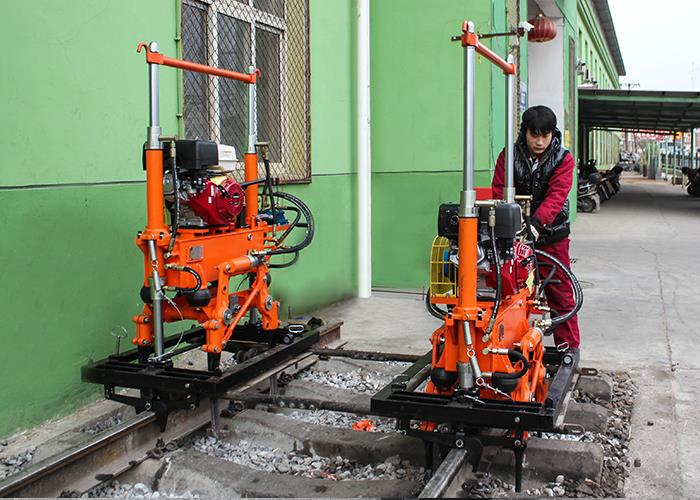
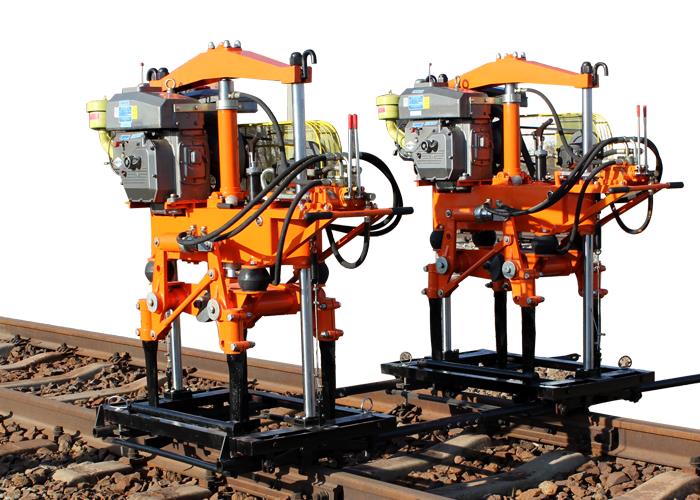
Before we dive into the specifics of permafrost railway areas, let's first understand the fundamental purpose of track tamping. A Rail Tamper Machine (also known as rail tamping machine) is a crucial piece of equipment used in railway maintenance to pack the ballast (crushed stone or gravel) beneath the railway ties. This process serves several important functions:
- Alignment: By compacting the ballast, track tampers help maintain the proper alignment of the railway tracks, ensuring a smooth and safe ride for trains.
- Stability: The packed ballast provides a stable foundation for the railway ties and tracks, preventing them from shifting or sinking over time.
- Drainage: Properly tamped ballast allows for effective drainage, reducing the risk of water accumulation and damage to the tracks.
Challenges in Permafrost Railway Areas
Permafrost regions present a unique set of challenges for track tamping operations. The frozen ground can have a significant impact on the performance of track tampers and the overall effectiveness of the tamping process. Some of the key challenges include:
- Frozen Ballast: In permafrost areas, the ballast can freeze solid, making it difficult to penetrate and compact. This requires track tampers to have sufficient power and force to break through the frozen layer.
- Ground Instability: The thawing and refreezing of permafrost can cause the ground to shift and settle, leading to uneven track alignment and potential damage to the tracks. Track tampers need to be able to adapt to these changes and make precise adjustments to maintain the proper alignment.
- Cold Temperatures: Extreme cold temperatures can affect the performance of track tampers, causing hydraulic fluids to thicken and mechanical components to become brittle. This requires careful maintenance and operation of the equipment to ensure reliable performance.
- Environmental Concerns: Permafrost regions are often environmentally sensitive, and track tamping operations need to be conducted in a way that minimizes the impact on the surrounding ecosystem. This may involve using specialized techniques and equipment to reduce noise, dust, and other forms of pollution.
How Track Tampers Overcome These Challenges
To address the challenges posed by permafrost, modern track tampers are equipped with a range of advanced features and technologies. Here's how they work to ensure effective track tamping in permafrost railway areas:
- Powerful Vibratory Systems: Track tampers use vibratory systems to generate high-frequency vibrations that help break up the frozen ballast and improve compaction. These systems are designed to deliver maximum force while minimizing the impact on the surrounding environment.
- Adjustable Tamping Tools: The tamping tools on track tampers can be adjusted to accommodate different track geometries and ballast conditions. This allows operators to customize the tamping process based on the specific requirements of the permafrost area.
- Thermal Management Systems: To combat the effects of cold temperatures, track tampers are equipped with thermal management systems that help maintain the proper operating temperature of hydraulic fluids and other components. This ensures reliable performance even in extreme cold conditions.
- Advanced Monitoring and Control Systems: Many modern track tampers are equipped with advanced monitoring and control systems that provide real-time data on the tamping process. This allows operators to make precise adjustments and ensure that the tracks are being tamped to the required specifications.
Our Track Tamper Solutions for Permafrost Railway Areas
As a leading supplier of track tampers, we offer a range of high-quality products designed specifically for use in permafrost railway areas. Our YD-22 Hydraulic Rail Tamping Machine and YD-22II Best Selling Hydraulic Rail Tamping Machine are equipped with the latest technologies and features to overcome the challenges of permafrost regions.
- Powerful Hydraulic System: Our track tampers feature a powerful hydraulic system that provides the necessary force and precision to break through frozen ballast and achieve optimal compaction.
- Adjustable Tamping Tools: The tamping tools on our machines can be easily adjusted to accommodate different track geometries and ballast conditions, ensuring a customized and effective tamping process.
- Cold-Weather Design: Our track tampers are designed to withstand extreme cold temperatures, with features such as heated hydraulic fluid reservoirs and insulated cabins to keep operators comfortable and the equipment running smoothly.
- Advanced Monitoring and Control: Our machines are equipped with advanced monitoring and control systems that provide real-time data on the tamping process, allowing operators to make informed decisions and ensure the highest quality of work.
Best Practices for Track Tamping in Permafrost Areas
In addition to using the right equipment, there are several best practices that should be followed when conducting track tamping operations in permafrost railway areas. These include:
- Pre-Treatment: Before tamping, it may be necessary to pre-treat the ballast to loosen the frozen layer. This can be done using techniques such as heating the ballast or applying chemical additives to lower the freezing point.
- Timing: Track tamping operations should be carefully timed to coincide with periods of thaw or when the ground is less frozen. This can help improve the effectiveness of the tamping process and reduce the risk of damage to the equipment.
- Regular Inspections: Regular inspections of the tracks and ballast are essential to identify any signs of ground instability or damage. This allows for timely repairs and adjustments to be made, ensuring the safety and reliability of the railway.
- Environmental Protection: As mentioned earlier, it's important to minimize the environmental impact of track tamping operations in permafrost regions. This can be achieved by using environmentally friendly equipment and techniques, such as low-noise engines and dust suppression systems.
Conclusion
Track tamping is a critical process in railway maintenance, and it becomes even more challenging in permafrost railway areas. However, with the right equipment, techniques, and best practices, it's possible to achieve effective track tamping and ensure the safety and reliability of the railway. As a supplier of Rail Tamper Machine, we're committed to providing our customers with the latest technologies and solutions to meet the unique challenges of permafrost regions.
If you're in the market for a track tamper or have any questions about track tamping in permafrost areas, please don't hesitate to contact us. We'd be happy to discuss your specific needs and provide you with a customized solution.
References
- "Railway Track Maintenance: Principles and Practices" by George R. Weissenberger
- "Permafrost and Climate Change: Impacts on Infrastructure and Society" by H. J. Dorren and A. G. Lewkowicz
- "Track Tamping: A Comprehensive Guide" by the Railway Maintenance Association