




How does rail adjustment handle the challenges of track construction in permafrost regions?
 Oct 06, 2025|
 Hey there! I'm a supplier in the rail adjustment business, and today I wanna chat about how we handle the challenges of track construction in permafrost regions. Permafrost areas are no joke when it comes to building and maintaining railway tracks. There are tons of unique issues that we have to deal with, but with the right tools and strategies, we can get the job done.
Understanding the Permafrost Challenge
First off, let's talk about what makes permafrost so tricky. Permafrost is basically soil that remains frozen for at least two consecutive years. In these regions, the ground can thaw during the warmer months and refreeze in the winter. This freeze - thaw cycle causes the ground to heave and settle unevenly. As a result, railway tracks can get misaligned, and the joints between the rails can loosen or break.
Another problem is the extreme cold. Low temperatures can make the rails brittle, increasing the risk of cracks and fractures. And the ice and snow can also create additional load on the tracks, which further stresses the rail structure.
Our Rail Adjustment Solutions
As a rail adjustment supplier, we've got a range of tools to tackle these challenges. One of our key products is the Bidirectional Rail Joint Gap Adjuster. This tool is super useful in permafrost regions because it allows us to precisely adjust the gap between rail joints. When the ground shifts due to the freeze - thaw cycle, the gap between the rails can change. If the gap is too wide, it can cause the train to jolt as it passes over the joint. If it's too narrow, the rails can buckle under the pressure. The Bidirectional Rail Joint Gap Adjuster helps us keep that gap just right, ensuring a smooth and safe ride for trains.

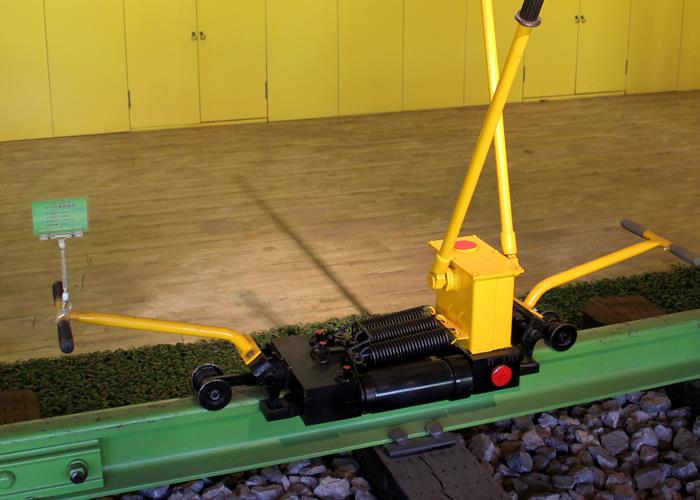
Then there's the Rail Tensor. This tool is designed to stretch the rails, which is crucial in permafrost areas. When the ground settles, the rails can become slack. By using the Rail Tensor, we can apply tension to the rails, keeping them straight and preventing sagging. This not only improves the safety of the track but also extends the lifespan of the rails.
The YTF 400 Hydraulic Rail Gap Adjuster is another great option. It's a hydraulic - powered tool that provides a high level of force for adjusting rail gaps. In permafrost regions, where the ground movement can be quite significant, we need a tool that can handle the heavy - duty job of realigning the rails. The YTF 400 is up to the task, with its powerful hydraulic system that can quickly and accurately adjust the rail gaps.
Construction Strategies in Permafrost Regions
In addition to using the right tools, we also have some construction strategies to deal with permafrost. One approach is to use insulation materials. By placing insulation layers beneath the tracks, we can reduce the heat transfer from the ground surface to the permafrost layer. This helps to keep the permafrost frozen and minimizes the ground movement.
Another strategy is to build elevated tracks. Instead of laying the tracks directly on the ground, we can construct them on piles or embankments. This raises the tracks above the ground, reducing the impact of the freeze - thaw cycle. Elevated tracks also allow for better drainage, which is important in areas where snow and ice can accumulate.
Monitoring and Maintenance
Once the tracks are built, the work doesn't stop there. We need to constantly monitor the tracks in permafrost regions. We use a variety of techniques, such as ground - penetrating radar and satellite imagery, to detect any signs of ground movement or rail damage. Regular inspections are also essential to check for loose joints, cracks, and other issues.
Maintenance is an ongoing process. We need to be ready to make adjustments to the rails at any time. That's where our rail adjustment tools come in handy. Whether it's adjusting the rail gaps or stretching the rails, we can quickly respond to any problems and keep the tracks in good condition.
Conclusion
Building and maintaining railway tracks in permafrost regions is definitely a challenge, but it's not impossible. With the right tools, like the Bidirectional Rail Joint Gap Adjuster, Rail Tensor, and YTF 400 Hydraulic Rail Gap Adjuster, and the right construction and maintenance strategies, we can overcome the unique issues posed by permafrost.
If you're involved in track construction or maintenance in permafrost regions, I'd love to chat with you about how our rail adjustment products can help. Whether you need to adjust rail gaps, stretch the rails, or deal with other track - related issues, we've got the solutions you need. Reach out to us to start a conversation about your specific requirements and how we can work together to ensure the safety and efficiency of your railway tracks.
References
- Smith, J. (2020). "Challenges and Solutions in Railway Track Construction in Permafrost Regions." Journal of Civil Engineering Research.
- Brown, A. (2019). "Monitoring and Maintenance of Railway Tracks in Cold Regions." Transportation Research Journal.