




How is a track tamper transported to the work site?
 Jan 09, 2026|
 Hey there! If you're in the railroad maintenance business, you know how crucial a track tamper is. As a track tamper supplier, I get a lot of questions about how these machines are transported to the work site. So, I thought I'd share some insights on this topic.
First off, let's talk about what a track tamper is. A track tamper, also known as a Diesel Hydraulic Rail Tamping Machine, is a piece of heavy equipment used to pack the ballast under railway tracks to make the tracks more stable and level. It's an essential tool for maintaining the safety and efficiency of railway lines.
Now, onto the transportation part. Transporting a track tamper to the work site can be a complex process, and there are a few different methods depending on the size of the tamper, the distance to the site, and the available infrastructure.
Small Track Tampers
For smaller track tampers, truck transportation is often the most convenient and cost - effective option. These machines are usually light enough to be loaded onto a flatbed truck. We use special lifting equipment, like cranes or forklifts, to carefully place the tamper on the truck. Before loading, we make sure the truck bed is clean and free of debris that could damage the machine.
Once the tamper is on the truck, we secure it properly. We use heavy - duty straps and chains to prevent it from moving during transit. It's crucial to check the tightness of these restraints regularly, especially if the journey involves rough roads or long distances.
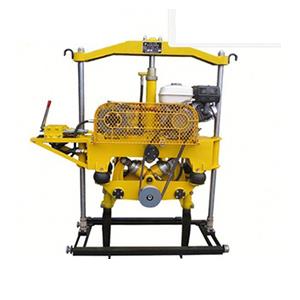
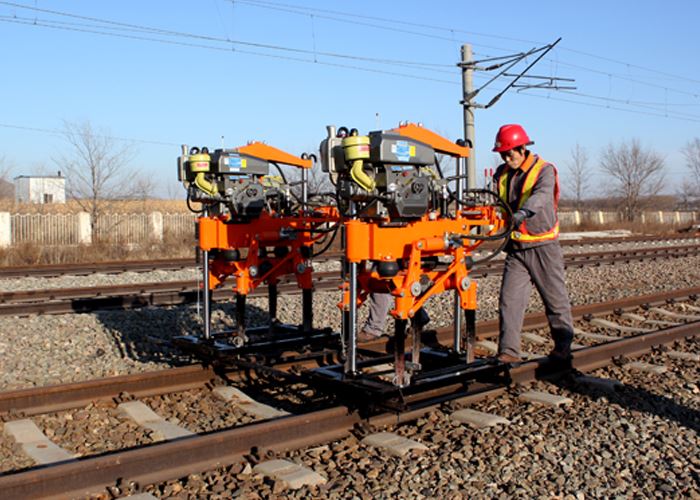
If you're in the market for a smaller track tamper, we have a great selection of Railroad Tamper For Sale. These compact models are easy to transport and operate, making them perfect for smaller railway maintenance projects.
Medium - Sized Track Tampers
Medium - sized track tampers can be a bit more challenging to transport. Sometimes, they're too large to fit on a regular truck, so we might use a low - loader trailer. A low - loader has a lower deck height, which allows it to carry taller and heavier equipment.
When using a low - loader, we first need to ensure that the route is suitable. We consider factors like bridge clearances, road widths, and weight limits. We also often need to obtain special permits for transporting oversized loads. This process can take some time, so it's important to plan ahead.
Similar to smaller tamper truck transportation, we still need to secure the machine tightly on the trailer. We add additional supports and use high - strength ropes to keep the tamper stable during the journey.
Large Track Tampers
Large track tampers, such as the Hydraulic Ballast Tamper Railway, are a whole different ballgame. These massive machines are often transported by rail. That might seem a bit counter - intuitive since they're used on railway tracks, but it's one of the most efficient ways to move them over long distances.
To transport a large tamper by rail, we first need to coordinate with the railway authorities. We need to schedule a time when the track is available for our transport. The tamper is then loaded onto a special rail - car designed to carry heavy equipment.
Loading a large tamper onto a rail - car is a complex operation. It usually involves a team of experienced workers and specialized lifting equipment. Once loaded, the tamper is secured to the rail - car using a combination of bolts, chains, and other restraints.
During transit, the tamper is closely monitored. We have systems in place to detect any movement or potential issues. And of course, we follow all the safety regulations and procedures set by the railway authorities.
International Transportation
If the work site is in another country, international transportation comes into play. This adds an extra layer of complexity. We need to deal with customs regulations, import/export documentation, and different transportation standards.
For international shipping, large track tampers are often transported by sea. They're loaded into shipping containers or onto specialized heavy - lift vessels. Smaller and medium - sized tampers can also be shipped by air if the customer needs them urgently. But air transportation is usually more expensive and has stricter weight and size limitations.
On - Site Delivery
Once the track tamper arrives at the general vicinity of the work site, we still need to get it to the exact location. This might involve moving it a short distance on the railway tracks or using a local transport vehicle if the site is not directly accessible by the main transportation route.
We have a team of experts who are skilled at on - site delivery. They ensure that the tamper is safely moved and positioned at the work area. They also check the machine one last time to make sure it's in perfect working condition before handing it over to the customer.
Why Choose Our Track Tampers
As a track tamper supplier, we take pride in the quality and reliability of our products. Our track tampers are built to last, with advanced technology and high - quality materials. We also offer excellent after - sales service, including maintenance and repair support.
If you're interested in purchasing a track tamper, whether it's a small, medium, or large one, feel free to reach out to us. We can discuss your specific needs, provide you with a detailed quote, and answer any questions you might have. We're here to make the process as smooth as possible for you, from transportation to installation and operation.
In conclusion, transporting a track tamper to the work site is a multi - step process that requires careful planning and execution. Whether it's by truck, rail, or sea, we have the expertise and resources to ensure that your track tamper arrives safely and on time.
If you're ready to take your railway maintenance to the next level, don't hesitate to get in touch. We look forward to working with you and helping you find the perfect track tamper for your project.
References
- Railway Equipment Handbook, various editions
- Transport Safety Regulations for Heavy Equipment