




What are the different types of Rail Car Series?
 Jan 12, 2026|
 In the realm of railway equipment, Rail Car Series encompass a diverse range of vehicles designed to meet a multitude of operational needs. As a dedicated Rail Car Series supplier, I am thrilled to explore the different types available in the market, highlighting their unique features, applications, and benefits.
1. Passenger Rail Cars
- Commuter Rail Cars
Commuter rail cars are specifically designed for short - to medium - distance travel within urban and suburban areas. These cars typically feature a high - capacity seating arrangement to accommodate a large number of passengers during peak hours. They are equipped with modern amenities such as comfortable seats, air conditioning, and sometimes Wi - Fi connectivity. Commuter rail systems are crucial for reducing traffic congestion in big cities by providing an efficient and reliable alternative to private vehicles. For example, in cities like Tokyo and New York, the commuter rail networks play a vital role in the daily transportation of millions of people. - Intercity Rail Cars
Intercity rail cars are built for longer - distance journeys between cities. They offer a higher level of comfort and services compare to commuter cars. Intercity trains often have dining cars, lounge areas, and more spacious seating. Some advanced intercity rail cars are part of high - speed rail systems, which can reach speeds of over 200 miles per hour. These high - speed trains significantly reduce travel time between major cities, promoting economic development and tourism. For instance, the Shinkansen in Japan and the TGV in France have revolutionized long - distance travel and set the standard for high - speed rail technology worldwide. - Tourist Rail Cars
Tourist rail cars are designed to offer passengers a unique and scenic travel experience. They are often used in areas with beautiful landscapes, such as mountains, forests, or coastal regions. These cars may have large windows to provide panoramic views, open - air observation decks, and on - board guides to provide information about the local attractions. Tourist rail services contribute to the local tourism industry by attracting visitors and providing an alternative way to explore a region.
2. Freight Rail Cars
- Box Cars
Box cars are one of the most common types of freight rail cars. They have an enclosed rectangular structure, which protects the cargo from the elements. Box cars are used to transport a wide variety of goods, including consumer products, manufactured goods, and some types of agricultural products. Their versatility makes them a staple in the freight rail industry. For example, they can be used to ship electronics, furniture, and even clothing items. - Flat Cars
Flat cars are characterized by a flat, open deck with no sides or roof. They are used to transport large, heavy, and oddly - shaped cargo that cannot fit inside an enclosed car. Common cargoes carried on flat cars include construction materials (such as steel beams and lumber), machinery, and large vehicles. Flat cars often have tie - down points to secure the cargo safely during transit. - Hopper Cars
Hopper cars are designed to carry bulk materials such as coal, grain, and sand. They have an opening at the bottom, which allows for easy unloading of the cargo. Hopper cars come in different shapes and sizes, depending on the type of material they are intended to carry. Some hopper cars are equipped with special mechanisms to control the flow of the material during unloading. - Tank Cars
Tank cars are used to transport liquids and gases, including petroleum products, chemicals, and liquefied natural gas. They are made of strong, durable materials and are designed to withstand high pressure and temperature. Tank cars have strict safety regulations due to the potentially hazardous nature of the cargo they carry. Specialized insulation and safety features are often incorporated to prevent leaks and spills.
3. Specialized Rail Cars
- Maintenance of Way (MOW) Rail Cars
These cars are essential for the upkeep and repair of railway tracks. They include a variety of vehicles, such as ballast cars for spreading and maintaining the track ballast, and track inspection cars equipped with advanced sensors to detect track defects. For instance, the ballast profiling machine railroad rail ballast regulator rail ballast regulating sweeping machine is a specialized MOW vehicle that can efficiently regulate and clean the track ballast, ensuring the stability and safety of the railway tracks. - Battery - Powered Rail Cars
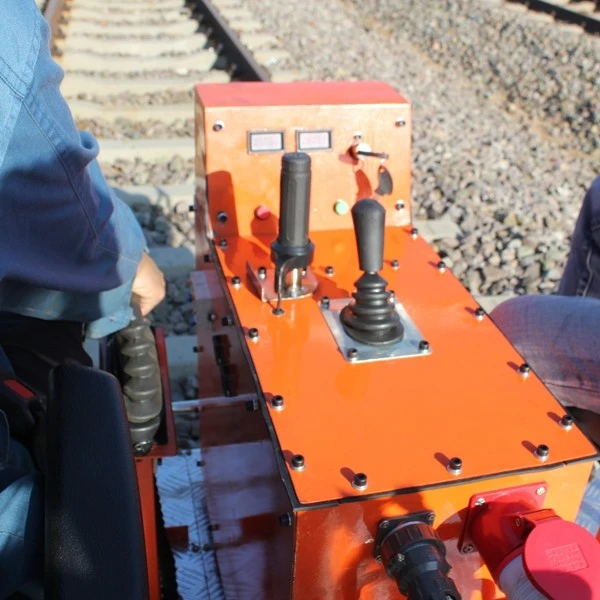
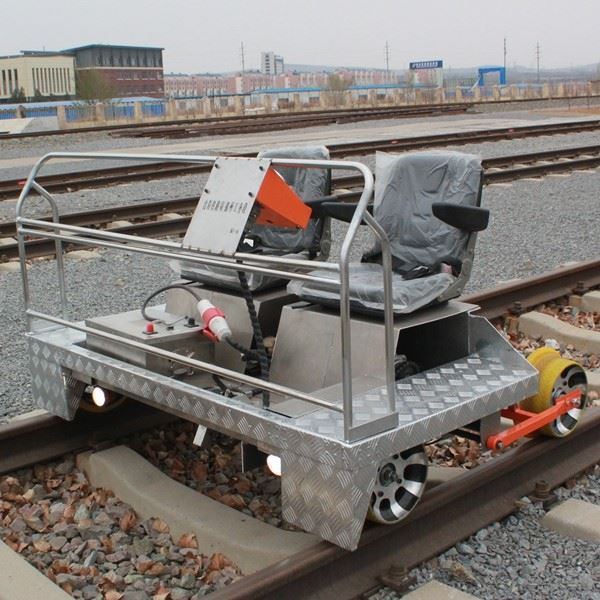
With the increasing focus on environmental sustainability, battery - powered rail cars are becoming more popular. Battery Rail Trolley is a great example. These cars are powered by rechargeable batteries, which offer a cleaner and quieter alternative to traditional diesel - powered vehicles. They are often used for short - distance operations within railway yards or in areas where emissions need to be minimized. - Custom - Built Rail Cars
For specific customer requirements, custom - built rail cars can be designed and manufactured. The Customized Li - battery Aluminium Alloy Railway Track Trolley 2seat/4seat is a prime example of a customized rail car. These cars can be tailored to meet unique specifications, such as a particular cargo capacity, a specific layout, or a specialized function. Whether it's for a unique industrial application or a special tourist project, custom - built rail cars provide a solution that is precisely suited to the customer's needs.
4. The Importance of Choosing the Right Rail Car Series
Selecting the appropriate Rail Car Series is crucial for ensuring efficient and cost - effective railway operations. For passenger services, the choice of rail cars directly impacts the passenger experience, which in turn affects customer satisfaction and ridership. Comfort, safety, and reliability are key factors to consider when choosing passenger rail cars.
In the case of freight transportation, the type of cargo determines the most suitable rail car. Using the wrong type of rail car can lead to damage to the cargo, inefficiencies in loading and unloading, and higher transportation costs. For example, shipping a large piece of machinery in a box car instead of a flat car may not only be difficult but also pose a safety risk.
For specialized operations, customized or specialized rail cars are often required to perform specific tasks effectively. For instance, a railway maintenance crew needs the right MOW rail cars to keep the tracks in good condition and ensure the safety of passing trains.
5. Why Choose Our Rail Car Series?
As a Rail Car Series supplier, we pride ourselves on providing high - quality, reliable, and innovative rail cars. Our products are designed and manufactured using the latest technology and adhere to strict international safety and quality standards.
We offer a wide range of rail cars, including passenger, freight, and specialized vehicles. Whether you need a standard commuter rail car, a custom - built freight hopper car, or a battery - powered maintenance trolley, we have the solution for you. Our team of experienced engineers and technicians can work closely with you to understand your specific requirements and provide customized solutions that meet your exact needs.
In addition to our product quality, we also offer excellent after - sales service. Our dedicated customer support team is available to assist you with any technical issues, maintenance requirements, or spare parts needs. We understand the importance of minimizing downtime in railway operations, and we are committed to providing prompt and efficient service.
6. Contact Us for Procurement
If you are in the market for high - quality Rail Car Series, we invite you to reach out to us for procurement and further discussions. Our team is eager to share more details about our products, pricing, and customization options. We believe that our Rail Car Series can meet your operational needs and help you achieve greater efficiency in your railway operations. Whether you are a railway operator, a freight company, or a tourism service provider, we have the right rail cars for you. Contact us today to start exploring the possibilities of partnering with us for your rail car needs.
References
- Association of American Railroads. (2023). Freight Car Types and Uses. Retrieved from AAR official publications.
- International Union of Railways. (2023). Passenger Rail Technology and Best Practices. UIC official reports.
- Railway Age Magazine. (2023). Specialized Rail Cars for Modern Railway Operations. Various articles in the magazine.