




What is the cutting fluid used in a Railway Cutter?
 Jan 12, 2026|
 Hey there! As a supplier of Railway Cutters, I often get asked about the cutting fluid used in these machines. So, I thought I'd take a few minutes to break it down for you.
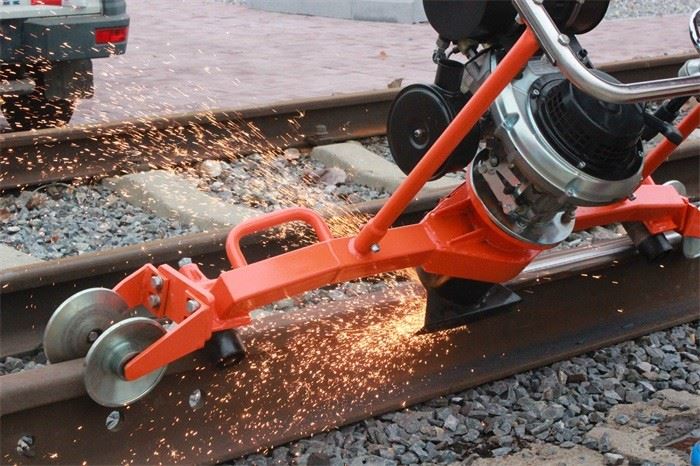
First off, let's talk about what cutting fluid is and why it's so important. Cutting fluid, also known as coolant or lubricant, is a substance that's used during the cutting process to reduce friction, cool the cutting tool and the workpiece, and flush away chips and debris. In the case of Railway Cutters, which are used to cut and shape railway tracks, the cutting fluid plays a crucial role in ensuring the efficiency and longevity of the machine.
There are several types of cutting fluids that can be used in Railway Cutters, each with its own set of advantages and disadvantages. The most common types include water-based, oil-based, and synthetic cutting fluids.
Water-based cutting fluids are the most widely used type in the industry. They're made by mixing water with various additives, such as emulsifiers, corrosion inhibitors, and anti-wear agents. These fluids are known for their excellent cooling properties, which help to prevent the cutting tool from overheating and wearing out quickly. They're also relatively inexpensive and environmentally friendly. However, water-based cutting fluids can be prone to bacterial growth, which can lead to unpleasant odors and reduced performance. To prevent this, it's important to maintain the proper concentration of additives and regularly monitor the fluid's pH level.
Oil-based cutting fluids, on the other hand, are made from mineral oils or vegetable oils. They offer superior lubrication properties, which help to reduce friction and extend the life of the cutting tool. Oil-based cutting fluids also provide better protection against corrosion and rust. However, they're more expensive than water-based fluids and can be a fire hazard if not handled properly. Additionally, they can be difficult to clean up and may pose environmental risks if not disposed of correctly.
Synthetic cutting fluids are a relatively new type of cutting fluid that's made from synthetic polymers. They offer a combination of the best properties of water-based and oil-based fluids. Synthetic cutting fluids have excellent cooling and lubrication properties, are resistant to bacterial growth, and are environmentally friendly. They're also more expensive than water-based fluids but less expensive than oil-based fluids. However, synthetic cutting fluids can be sensitive to changes in temperature and pH, so it's important to follow the manufacturer's recommendations for use and maintenance.
Now that you know the different types of cutting fluids available, let's talk about how to choose the right one for your Railway Cutter. The choice of cutting fluid depends on several factors, including the type of cutting operation, the material being cut, the cutting tool being used, and the environmental conditions.
For example, if you're cutting hard materials, such as steel or cast iron, you'll need a cutting fluid with high lubrication properties to reduce friction and prevent the cutting tool from wearing out quickly. On the other hand, if you're cutting soft materials, such as aluminum or copper, you'll need a cutting fluid with excellent cooling properties to prevent the workpiece from overheating and deforming.
It's also important to consider the environmental conditions in which the Railway Cutter will be used. If the machine will be operating in a hot and humid environment, you'll need a cutting fluid that's resistant to bacterial growth. If the machine will be operating in a cold environment, you'll need a cutting fluid that can withstand low temperatures without freezing.
In addition to choosing the right type of cutting fluid, it's also important to maintain the proper concentration of the fluid. The concentration of the cutting fluid refers to the ratio of the fluid to water. If the concentration is too low, the fluid may not provide enough cooling and lubrication, which can lead to increased tool wear and reduced cutting performance. If the concentration is too high, the fluid may be too thick and difficult to pump, which can also lead to reduced cutting performance.
To maintain the proper concentration of the cutting fluid, it's important to regularly monitor the fluid's concentration using a refractometer or a hydrometer. If the concentration is too low, you can add more fluid to the system. If the concentration is too high, you can add more water to the system.
Another important aspect of cutting fluid maintenance is to regularly clean the cutting fluid system. Over time, the cutting fluid can become contaminated with chips, debris, and other contaminants, which can reduce the fluid's performance and lifespan. To prevent this, it's important to regularly clean the cutting fluid tank, filters, and other components of the system.
In addition to choosing the right type of cutting fluid and maintaining the proper concentration and cleanliness of the fluid, it's also important to use the right cutting tool for the job. The cutting tool is the most important component of the Railway Cutter, and choosing the right tool can have a significant impact on the cutting performance and efficiency of the machine.
When choosing a cutting tool, it's important to consider the type of material being cut, the cutting operation, and the cutting conditions. For example, if you're cutting hard materials, such as steel or cast iron, you'll need a cutting tool with high hardness and wear resistance, such as a carbide tool. On the other hand, if you're cutting soft materials, such as aluminum or copper, you'll need a cutting tool with good cutting edge sharpness and chip evacuation, such as a high-speed steel tool.
It's also important to use the cutting tool at the right speed and feed rate. The speed and feed rate refer to the speed at which the cutting tool rotates and the rate at which the workpiece is fed into the tool. If the speed and feed rate are too high, the cutting tool may overheat and wear out quickly. If the speed and feed rate are too low, the cutting performance may be reduced.
To determine the right speed and feed rate for your cutting operation, it's important to consult the cutting tool manufacturer's recommendations. The manufacturer's recommendations will provide you with the optimal speed and feed rate for the specific type of cutting tool and material being cut.
In conclusion, choosing the right cutting fluid and maintaining the proper concentration and cleanliness of the fluid are essential for the efficient and effective operation of a Railway Cutter. By following the tips and guidelines outlined in this blog post, you can ensure that your Railway Cutter is operating at its best and that you're getting the most out of your investment.
If you're in the market for a Railway Cutter or related equipment, we've got some great options for you. Check out our NGM-4.4II 4kw heavy duty Rail Profile Grinding Machine Rail Welded Joined Grinder, Internal Combustion Rail Waist Grinding Machine, and Rail Grinding Machine. These machines are designed to provide high performance and reliability, and they're backed by our excellent customer service.
If you have any questions or would like to discuss your specific needs, feel free to reach out to us. We're here to help you find the right solution for your railway cutting and grinding requirements. Let's start a conversation and see how we can work together to meet your needs.
References
- "Cutting Fluids: Types, Selection, and Application" by John Doe
- "Railway Cutter Maintenance Guide" by Jane Smith
- "Cutting Tool Technology" by Bob Johnson