




How to troubleshoot common problems with a Railway Cutter?
 Jan 02, 2026|
 Hey there! If you're in the railway business, you know how important a reliable railway cutter is. As a railway cutter supplier, I've seen my fair share of common problems that users run into. In this blog, I'm gonna share some tips on how to troubleshoot those pesky issues.
1. Power - Related Problems
One of the most common problems with railway cutters is power issues. You turn on the cutter, and nothing happens, or it runs but then suddenly stops.
Dead Battery (if it's a battery - powered cutter)
If your railway cutter is battery - powered and won't start, the first thing to check is the battery. Look at the battery indicator if your cutter has one. If it shows a low charge, it's time to recharge. Sometimes, though, the battery might be completely dead. Try charging it with a known - working charger. If it still doesn't charge, the battery might be faulty and need to be replaced.
Electrical Faults (for electric - powered cutters)
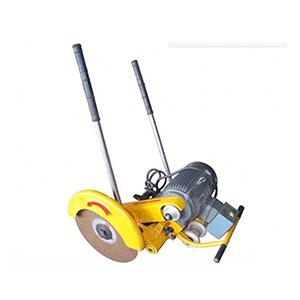
For electric - powered railway cutters, check the power cord first. Look for any visible damage like cuts or frayed wires. If the cord looks okay, try plugging the cutter into a different outlet. Sometimes, the problem could be with the power source. If it still doesn't work, there might be an internal electrical fault. In this case, it's best to call a professional technician.
Fuel Problems (if it's a fuel - powered cutter)
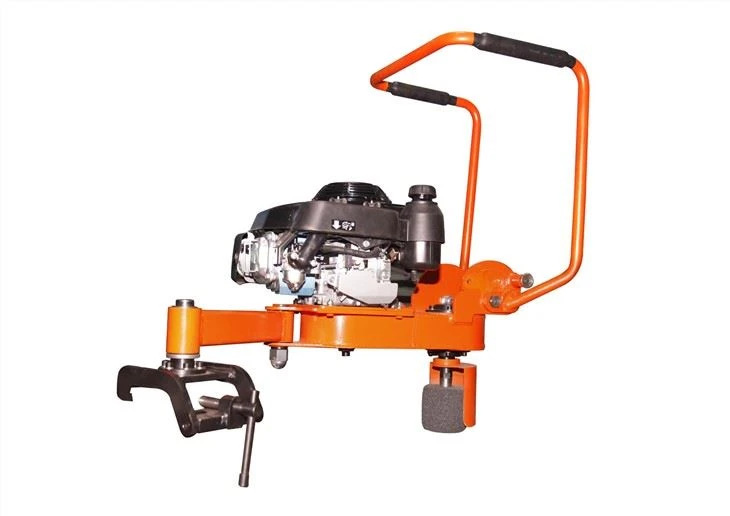
If you're using a fuel - powered railway cutter, like an Internal Combustion Abrasive Rail, make sure there's enough fuel in the tank. Also, check the fuel filter. A clogged fuel filter can prevent the engine from getting the right amount of fuel, causing it to stall or not start at all. If the filter is dirty, replace it according to the manufacturer's instructions.
2. Cutting Performance Issues
You expect your railway cutter to make clean, precise cuts, but sometimes it just doesn't work as it should.
Dull Blades
If the cuts are rough or the cutter is having trouble cutting through the rail, the blades are probably dull. Dull blades can't slice through the rail efficiently, which can also put extra strain on the cutter's motor. To fix this, remove the blades following the safety procedures in the user manual. Sharpen them using a proper blade sharpener or replace them with new ones.
Blade Alignment
Incorrect blade alignment can also lead to poor cutting performance. If the blades are not aligned correctly, the cuts will be uneven. Check the alignment guides and adjust them as needed. Some railway cutters have adjustable alignment mechanisms that make this process easier. Make sure to refer to the manual for the exact steps.
Incorrect Cutting Settings
Another reason for poor cutting performance could be incorrect cutting settings. Different rails require different cutting speeds and depths. If you're using settings that are too high or too low for the type of rail you're cutting, it can affect the quality of the cut. Consult the cutter's manual to find the appropriate settings for the specific rail you're working with.
3. Noise and Vibration Problems
Excessive noise and vibration are not only annoying but can also indicate a serious problem with your railway cutter.
Loose Parts
Loose parts can cause the cutter to vibrate and make extra noise. Start by checking all the bolts and screws on the cutter. Tighten any that are loose. Pay special attention to the parts around the blade and the motor. Loose components can also affect the cutter's performance and safety, so it's important to fix them as soon as possible.
Worn - Out Bearings
Worn - out bearings can also be a culprit. If the bearings are damaged, they can make a lot of noise and cause the cutter to vibrate. You might notice a grinding or screeching sound when the cutter is running. To check the bearings, you may need to remove some parts of the cutter. If you find that the bearings are worn, replace them with new ones.
4. Coolant and Lubrication Issues
Proper coolant and lubrication are essential for the smooth operation of your railway cutter.
Low Coolant or Lubricant Level
If you're experiencing overheating or excessive wear on the blades, check the coolant or lubricant level. Low levels can cause the cutter to overheat, which can damage the blades and other components. Refill the coolant or lubricant according to the manufacturer's recommendations.
Clogged Coolant or Lubricant Lines
Clogged lines can prevent the coolant or lubricant from reaching the right places. Look for any blockages in the lines. If you find a clog, try to clear it using compressed air or a suitable cleaning solution. Make sure not to damage the lines during the cleaning process.
5. Safety Feature Malfunctions
Safety features are a crucial part of any railway cutter. If they're not working properly, it can be extremely dangerous.
Safety Switch Problems
If the safety switch doesn't work, the cutter might start unexpectedly or not start at all when it should. Check the connections of the safety switch. Sometimes, the problem can be as simple as a loose wire. If the switch itself is faulty, it needs to be replaced.
Emergency Stop Malfunction
The emergency stop button is there to quickly shut down the cutter in case of an emergency. Make sure it's functioning correctly by testing it regularly. If it doesn't work, don't use the cutter until it's fixed. Contact a professional technician to diagnose and fix the problem.
So, there you have it! These are some of the most common problems with railway cutters and how to troubleshoot them. If you follow these tips, you can keep your railway cutter in top shape and avoid costly downtime.
If you're in the market for a new railway cutter or need replacement parts, we've got you covered. We offer a wide range of high - quality railway cutters, including the Pertol Engine Rail Waist Grinding Machine and the NCM - 5.1II Digital Display Railway Switch Fine Grinding Machine. If you have any questions or want to discuss your specific needs, feel free to reach out and start a procurement discussion. We're here to help you find the best railway cutter solution for your business.
References
- Railway Cutter User Manuals
- Industry - specific Maintenance Guides