




What is a railway car?
 Jan 05, 2026|
 A railway car, commonly known as a railroad car outside North America and a railwagon, railcar, or railway wagon in the UK, is an essential component of the railway transport system. I'm working for a railway car supplier, and through my daily work, I've got a deep understanding of these fascinating vehicles.
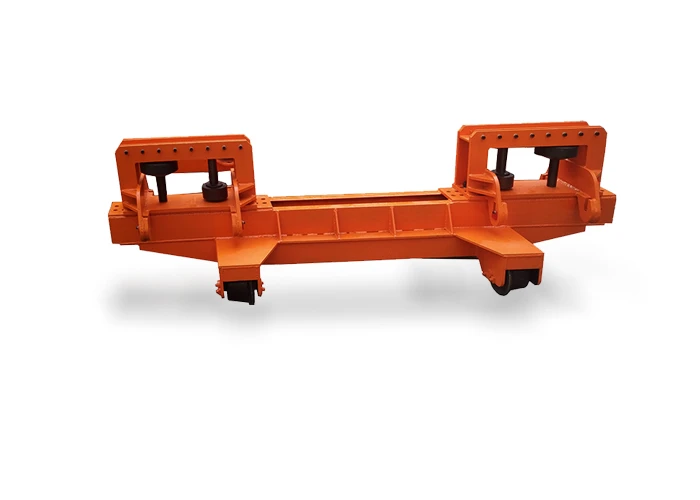
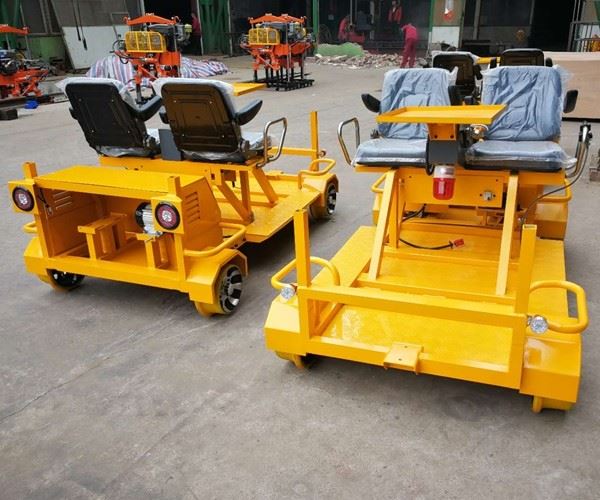
Let's start with the basics. A railway car is a vehicle used for the transport of passengers or goods on railway tracks. Unlike locomotives, which are used to provide the motive power for a train, railway cars don't have their own propulsion system most of the time. They rely on locomotives or other power - units to move them along the tracks.
There are different types of railway cars, and each type is designed to serve a specific purpose. For passenger transport, we have different kinds of cars. One is the coach car, which is like a big, long bus on rails. These cars are equipped with seats, and sometimes, they also have facilities like toilets and small food - service areas. They are often part of long - distance trains, where passengers need a comfortable place to sit during their journey.
Then there are also high - speed passenger cars. These are designed for high - velocity travel, usually on dedicated high - speed rail lines. They have features that reduce aerodynamic drag and improve stability at high speeds. The interiors are often very modern, with comfortable seats, in - seat entertainment systems, and Wi - Fi, providing a pleasant travel experience for passengers.
When it comes to freight, the variety of railway cars is even greater. Boxcars are one of the most common types. They are enclosed, rectangular cars that can be used to transport all sorts of goods, from consumer products to industrial equipment. The enclosed design protects the goods from the elements and theft.
Flatcars, on the other hand, are just flat platforms on wheels. They are used to transport large, heavy, or oddly - shaped items that can't fit inside a boxcar. Things like construction equipment, large pipes, or even other vehicles can be loaded onto flatcars.
Tank cars are specialized for transporting liquids or gases. They are cylindrical in shape and are designed to be leak - proof. These cars are used to carry substances such as oil, chemicals, and liquefied natural gas.
As a railway car supplier, we offer a wide range of products to meet different customer needs. For example, we have the Track Replacement Vehicle. This is a very useful car for railway maintenance. It can be used to replace old or damaged tracks, which is crucial for the safety and smooth operation of the railway system.
Another product in our lineup is the PC - 20 PC - 50 Railcar. These railcars are known for their reliability and efficiency. They can be used for both passenger and light - freight transport, making them very versatile.
We also have the Customized Li - battery Aluminium Alloy Railway Track Trolley 2seat/4seat. This is a great option for short - distance transport on railway tracks. The use of lithium - battery power makes it more environmentally friendly, and the aluminium alloy construction makes it lightweight yet strong.
The construction of railway cars is a very complex process. It starts with the design phase, where engineers use advanced software to design the shape, size, and internal structure of the car. They need to consider factors such as load capacity, safety, and comfort.
After the design is finalized, the manufacturing process begins. Different materials are used, depending on the type of car. Steel is a very common material for the structure of freight cars because of its strength and durability. Aluminium alloys are often used in passenger cars to reduce weight and improve energy efficiency.
The components of a railway car are then assembled. The wheels, axles, suspension systems, and brake systems are all carefully installed. These components are crucial for the safe movement of the car on the tracks.
Once the car is assembled, it undergoes a series of tests. There are dynamic tests to check the movement and stability of the car, as well as safety tests to ensure that it meets all the relevant safety standards. Only after passing these tests can the railway car be delivered to the customer.
In terms of the market for railway cars, there is a growing demand, both for passenger and freight cars. With the development of urbanization and international trade, more people are traveling by train, and more goods need to be transported. This has led to an increasing need for high - quality railway cars.
As a supplier, we face some challenges. One of the main challenges is competition. There are many other railway car suppliers in the market, and we need to constantly improve our products and services to stay competitive. We focus on innovation, using new technologies and materials to make our cars more efficient, comfortable, and safe.
Another challenge is the high cost of research and development. Developing new types of railway cars or improving existing ones requires a lot of investment in technology and talent. But we believe that in the long run, these investments will pay off, as they will help us to meet the changing needs of our customers.
If you're in the market for railway cars, whether it's for passenger transport, freight, or railway maintenance, we'd love to have a chat with you. We can provide you with detailed information about our products, and we're open to discussing customized solutions based on your specific requirements. Our goal is to provide you with the best - quality railway cars at a reasonable price. If you're interested in starting a dialogue about procurement, feel free to reach out.
References
- "Railway Vehicle Engineering" by John A. Siddall
- "Fundamentals of Railway Vehicle Dynamics" by David A. Thompson