




How to upgrade a Railway Cutter?
 Jul 09, 2025|
 In the railway maintenance and construction industry, railway cutters play a crucial role. As a leading railway cutter supplier, I understand the importance of upgrading these machines to meet the ever - evolving needs of the industry. This blog will guide you through the process of upgrading a railway cutter, ensuring that it operates at peak performance and provides long - term reliability.
Understanding the Need for Upgrading
Before delving into the upgrade process, it's essential to understand why upgrading a railway cutter is necessary. With the continuous development of railway technology, the requirements for cutting precision, efficiency, and safety have become more stringent. Older railway cutters may lack the latest features, which can lead to lower productivity, increased maintenance costs, and potential safety hazards.
Upgrading can enhance the cutting speed, improve the accuracy of cuts, and reduce the downtime of the machine. It can also make the cutter more energy - efficient, which is not only environmentally friendly but also cost - effective in the long run. Additionally, new models often come with better ergonomic designs, reducing operator fatigue and improving overall work comfort.
Assessing Your Current Railway Cutter
The first step in the upgrade process is to conduct a thorough assessment of your existing railway cutter. This includes evaluating its performance, functionality, and condition. Check the cutting blade's sharpness, the motor's power output, and the overall structural integrity of the machine. Look for signs of wear and tear, such as loose parts, leaks, or abnormal noises during operation.
You should also consider the specific requirements of your railway projects. For example, if you frequently work on high - speed railways, you may need a cutter with higher precision and faster cutting speeds. On the other hand, if you are involved in small - scale maintenance projects, a more portable and cost - effective cutter might be sufficient.
Selecting the Right Upgrades
Once you have assessed your current cutter, it's time to select the appropriate upgrades. Here are some common upgrades that can significantly improve the performance of your railway cutter:
1. Cutting Blade Upgrade
The cutting blade is the most critical component of a railway cutter. Upgrading to a high - quality blade can improve cutting efficiency and precision. Look for blades made from advanced materials, such as carbide or diamond - tipped blades, which are more durable and can maintain their sharpness for longer periods.
2. Motor Upgrade
A more powerful motor can increase the cutting speed and torque of the railway cutter. Consider upgrading to a motor with a higher horsepower rating, especially if you need to cut through thicker or harder railway tracks. Additionally, some motors come with advanced control systems that allow for more precise speed and power adjustment.
3. Safety Feature Upgrade
Safety is paramount in railway construction and maintenance. Upgrading your railway cutter with the latest safety features can prevent accidents and protect operators. Some common safety upgrades include emergency stop buttons, protective guards, and anti - vibration systems.
4. Automation and Control System Upgrade
Automation can significantly improve the efficiency and accuracy of railway cutting operations. Upgrading to an automated control system can allow for pre - programmed cutting patterns, reducing the need for manual intervention. This not only saves time but also minimizes the risk of human error.
Our Product Recommendations
As a railway cutter supplier, we offer a range of high - quality products that can be used for upgrades or as standalone machines. Here are some of our best - selling products:
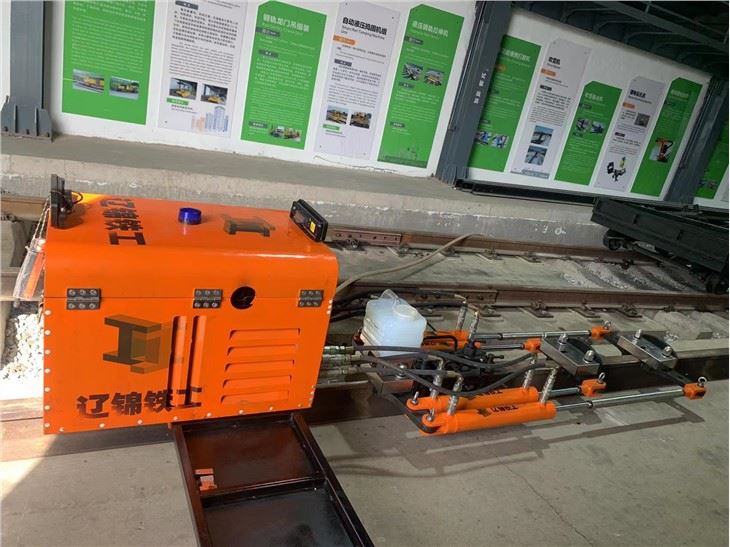
- NQG - 5III Best Seller Multifunction Low Price Internal Combustion Rail Cutting Machine: This machine is known for its multifunctionality and low price. It combines high - performance cutting with ease of use, making it a popular choice for railway maintenance teams.
- Automatic Hydraulic Rail Fat Edge Grinding Machine: Ideal for grinding the fat edges of railway tracks, this automatic hydraulic machine offers high precision and efficiency. It can significantly improve the smoothness of the railway surface.
- Railway Switch Digital Grinding Machine Rail Fat Edge Grinder Fine Grinding: Designed for fine grinding of railway switches, this digital grinding machine provides accurate and consistent results. It is an essential tool for ensuring the proper functioning of railway switches.
The Upgrade Process
Once you have selected the upgrades, it's time to start the upgrade process. Here are the general steps:
1. Preparation
Gather all the necessary tools and equipment for the upgrade. This may include wrenches, screwdrivers, and lifting equipment. Make sure to read the manufacturer's instructions carefully before starting the upgrade.
2. Disassembly
Disassemble the railway cutter carefully, taking note of the location and orientation of each part. Label the parts if necessary to ensure easy reassembly.
3. Installation of Upgrades
Install the new components according to the manufacturer's instructions. Make sure to tighten all the bolts and connections properly to prevent any loose parts during operation.
4. Testing
After the installation is complete, conduct a thorough test of the upgraded railway cutter. Check the cutting performance, safety features, and overall functionality of the machine. Make any necessary adjustments if the machine does not operate as expected.
Maintenance After Upgrade
Upgrading your railway cutter is not a one - time event. Regular maintenance is essential to ensure the long - term performance and reliability of the machine. Here are some maintenance tips:
- Clean the cutter regularly to remove dirt, debris, and metal shavings.
- Lubricate the moving parts to reduce friction and wear.
- Check the cutting blade's sharpness regularly and replace it when necessary.
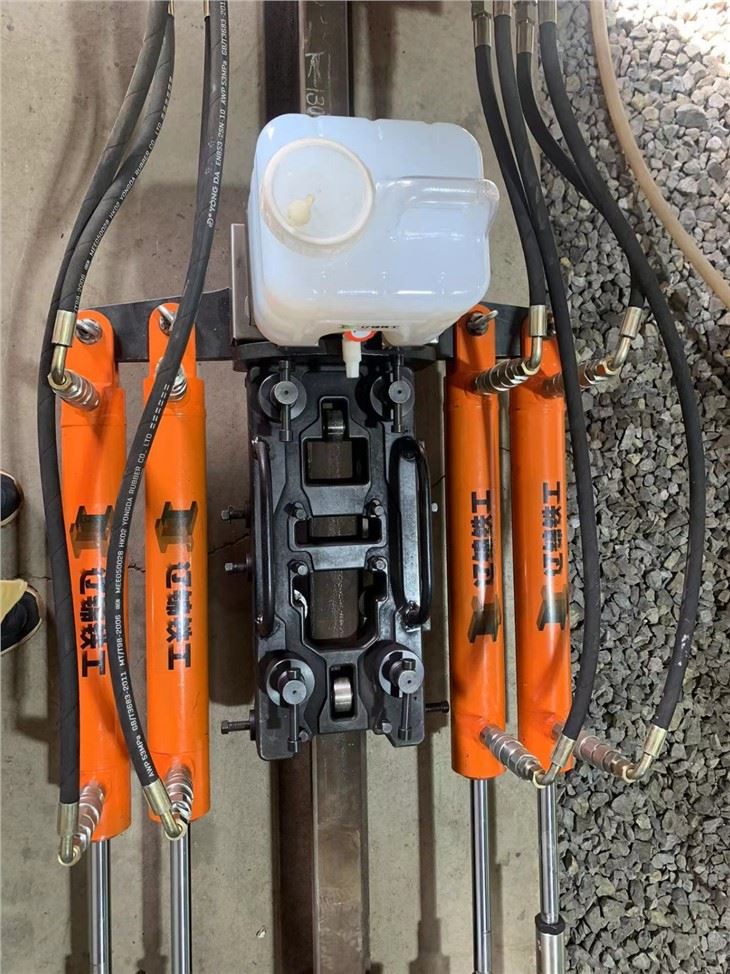
- Inspect the electrical and hydraulic systems for any signs of damage or leaks.
Conclusion
Upgrading a railway cutter is a cost - effective way to improve its performance, efficiency, and safety. By following the steps outlined in this blog, you can ensure a successful upgrade process. As a railway cutter supplier, we are committed to providing high - quality products and professional advice to help you meet your railway construction and maintenance needs.
If you are interested in upgrading your railway cutter or purchasing our products, please feel free to contact us for further discussion and negotiation. We look forward to working with you to achieve your railway project goals.
References
- Railway Maintenance Handbook, [Publisher Name], [Year of Publication]
- Advanced Railway Cutting Technology, [Author Name], [Journal Name], [Volume], [Year]
- Safety Standards for Railway Construction Equipment, [Organization Name], [Year]