




What are the best Rust Removers for automotive parts?
 Jul 07, 2025|
 Rust is a common and persistent problem for automotive parts, which can not only compromise the aesthetic appeal of vehicles but also significantly reduce their functionality and lifespan. As a reliable rust remover supplier, I've witnessed firsthand the detrimental effects of rust on automotive components and understand the critical need for effective solutions. In this blog, I'll explore some of the best rust removers for automotive parts, discussing their features, benefits, and applications.
Types of Rust Removers
Chemical Rust Removers
Chemical rust removers are popular due to their effectiveness in dissolving rust quickly. These products typically contain acids such as phosphoric acid, hydrochloric acid, or oxalic acid. Phosphoric acid, for example, reacts with rust (iron oxide) to form iron phosphate, which can be easily rinsed away. It's relatively safe to use on various metals and can also leave a protective phosphate coating on the surface to prevent future rusting.
One of the key advantages of chemical rust removers is their ability to reach into crevices and hard - to - reach areas. They are ideal for small automotive parts like bolts, nuts, and brackets. However, it's important to follow the manufacturer's instructions carefully when using chemical rust removers, as they can be corrosive to skin and other materials if not handled properly.
Mechanical Rust Removers
Mechanical rust removers rely on physical force to remove rust. This category includes tools like wire brushes, sandpaper, and grinding stones. Wire brushes are great for removing loose rust and debris from the surface of automotive parts. They come in different sizes and bristle materials, such as steel or brass. Steel wire brushes are more aggressive and suitable for heavy - duty rust removal on thick metal parts, while brass wire brushes are gentler and can be used on softer metals to avoid scratching.
Sandpaper is another commonly used mechanical rust remover. It allows for more precise control over the rust removal process and can be used to smooth the surface after rust has been removed. Coarser grit sandpapers are used for initial rust removal, and finer grits are used for finishing.
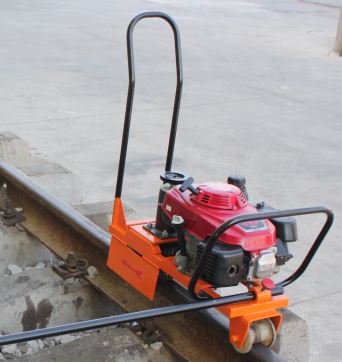
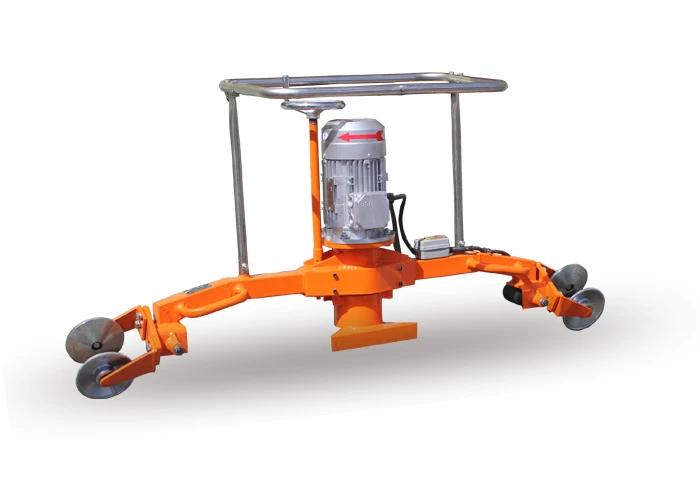
Grinding stones are powerful mechanical rust removers, especially for larger automotive parts. For instance, the NGX - 4 Rail Deruster Wire Brush Grinding Stone Dual Function combines the functions of a wire brush and a grinding stone. It can quickly and efficiently remove rust from large metal surfaces, such as car frames and body panels. The dual - function design provides flexibility, allowing users to switch between the wire brush for loose rust and the grinding stone for more stubborn rust.
Electrolytic Rust Removers
Electrolytic rust removal is a process that uses an electric current to remove rust. It involves submerging the rusty part in an electrolyte solution (usually a mixture of water and baking soda) and connecting it to a power source. The rusty part acts as the anode, and a sacrificial metal (such as a piece of scrap iron) acts as the cathode. When the electric current is applied, the rust is gradually removed from the part and deposited on the sacrificial metal.
Electrolytic rust removers are very effective in removing rust from complex - shaped automotive parts without damaging the underlying metal. They are also environmentally friendly compared to some chemical rust removers. However, this method requires some technical knowledge and equipment, such as a power supply and appropriate containers.
Factors to Consider When Choosing a Rust Remover
Compatibility with the Metal
Different metals react differently to rust removers. For example, aluminum is a relatively soft metal that can be easily damaged by strong acids. Therefore, when choosing a rust remover for aluminum automotive parts, it's important to select a product that is specifically formulated for aluminum. On the other hand, steel parts can generally tolerate more aggressive rust removal methods.
Type and Severity of Rust
The type and severity of rust also play a crucial role in choosing the right rust remover. Surface rust, which is the initial stage of rusting, can often be removed with milder rust removers like wire brushes or light - duty chemical solutions. However, if the rust has penetrated deep into the metal, more aggressive methods such as electrolytic rust removal or heavy - duty chemical rust removers may be required.
Ease of Use
Ease of use is an important factor, especially for DIYers. Chemical rust removers are usually easy to apply, but they may require proper ventilation and safety precautions. Mechanical rust removers, such as wire brushes and sandpaper, are simple to use but can be labor - intensive, especially for large parts. The Eelctric Profile Rail Grinding Machine Motor Rail Grinder is a more advanced mechanical rust remover that is powered by an electric motor. It reduces the physical effort required for rust removal and can cover larger areas more quickly.
Safety
Safety should always be a top priority when using rust removers. Chemical rust removers can be toxic and corrosive, so it's essential to wear protective gear such as gloves, goggles, and a respirator. Mechanical rust removers can also pose risks, such as flying debris and the potential for injury if not used correctly. When using any rust remover, it's important to follow all safety instructions provided by the manufacturer.
Best Rust Removers for Specific Automotive Parts
Engine Components
Engine components are often made of steel or aluminum and are prone to rust due to exposure to moisture and heat. For engine bolts and nuts, a chemical rust remover can be used to soak the parts and dissolve the rust. After soaking, a wire brush can be used to remove any remaining rust and debris.
For larger engine parts like the engine block, if there is surface rust, a fine - grit sandpaper or a gentle mechanical rust remover can be used to avoid damaging the precision - machined surfaces. In some cases, an electrolytic rust removal method can be employed to remove rust from hard - to - reach areas inside the engine block without causing any harm to the internal components.
Body Panels
Body panels are made of steel or sometimes aluminum. For light surface rust on steel body panels, a wire brush or a chemical rust converter can be used. A chemical rust converter not only removes rust but also converts it into a protective black coating that can be painted over.
For more severe rust on body panels, a grinding stone or an electric grinder like the DGM - 2.2 II Lithium Battery Multi - functional Switch Rail Grinding Machine can be used. This machine, with its lithium - battery power source, offers portability and the ability to switch between different grinding functions, making it suitable for various rust removal tasks on body panels.
Wheels
Wheels, especially steel wheels, are often exposed to road salt and moisture, which can cause rust. For light rust on wheels, a wire brush or a mild chemical rust remover can be used. After removing the rust, a wheel cleaner can be applied to clean the surface and a wheel protector can be used to prevent future rusting.
Conclusion
In conclusion, choosing the best rust remover for automotive parts depends on various factors such as the type of metal, the severity of rust, and the ease of use. As a rust remover supplier, I offer a wide range of rust removal solutions to meet the diverse needs of automotive enthusiasts and professionals. Whether you need a chemical rust remover for small parts, a mechanical rust remover for large surfaces, or an electrolytic rust removal system for complex - shaped components, I have the products to help you effectively remove rust and protect your automotive parts.
If you are interested in purchasing high - quality rust removers for your automotive needs, please feel free to contact me for more information and to discuss your specific requirements. I'm committed to providing excellent products and services to ensure that your automotive parts stay rust - free and in top condition.
References
- "Automotive Rust Prevention and Repair" - A comprehensive guide on automotive rust issues and solutions.
- Manufacturer's manuals of various rust remover products.
- Technical articles on automotive maintenance and rust removal from industry - leading websites.