




What are the communication protocols used in rail vehicle networks?
 Sep 17, 2025|
 In the dynamic landscape of rail transportation, the seamless operation of rail vehicles heavily relies on efficient communication protocols within their networks. As a leading rail vehicle supplier, we understand the critical role that these protocols play in ensuring safety, reliability, and optimal performance. In this blog, we will delve into the various communication protocols used in rail vehicle networks, exploring their features, applications, and significance.
CAN (Controller Area Network)
CAN is one of the most widely used communication protocols in rail vehicle networks. It was initially developed for the automotive industry but has found extensive applications in rail systems due to its robustness, real - time capabilities, and cost - effectiveness.
CAN operates on a multi - master serial bus system, allowing multiple nodes to communicate with each other. It uses a message - based communication approach, where data is transmitted in frames. Each frame contains an identifier that determines the priority of the message. This priority mechanism ensures that critical safety - related messages are transmitted first, reducing the risk of collisions and other safety hazards.
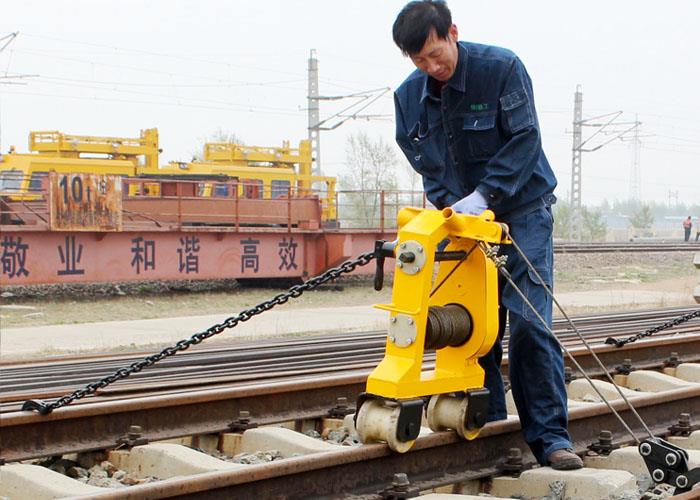
In rail vehicles, CAN is used for a variety of applications, such as controlling the braking system, monitoring the status of doors, and managing the power distribution. For example, in our XBY II manual rail carrier, the CAN protocol is employed to communicate between different subsystems, enabling smooth operation and efficient control.
MVB (Multifunction Vehicle Bus)
MVB is a communication protocol specifically designed for rail vehicle applications. It is a deterministic, real - time bus system that provides high - speed data transfer between different units within a train.
MVB uses a master - slave architecture, where a master device controls the communication on the bus. The protocol supports both periodic and aperiodic data transmission, making it suitable for a wide range of applications, from control and monitoring to diagnostic functions.
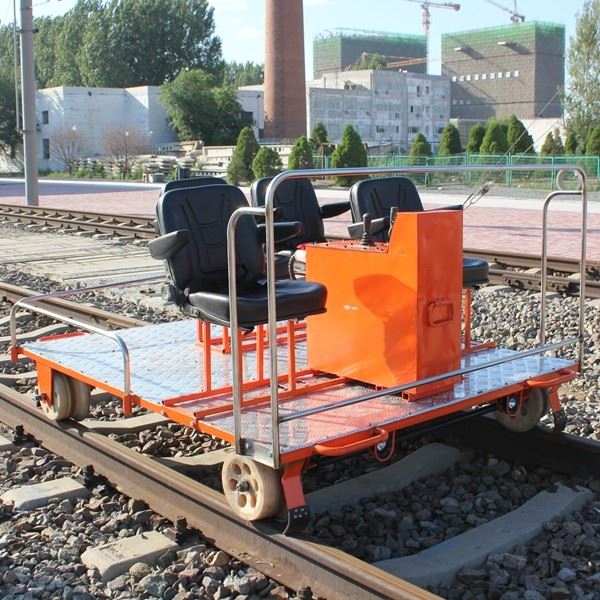
One of the key advantages of MVB is its ability to handle large amounts of data with low latency. This is crucial in rail systems, where real - time information is essential for safe and efficient operation. In our Customized Li - battery Aluminium Alloy Railway Track Trolley 2seat/4seat, MVB is used to ensure seamless communication between the battery management system, the traction control unit, and other critical components.
Ethernet
Ethernet has become increasingly popular in rail vehicle networks due to its high bandwidth, flexibility, and compatibility with existing IT infrastructure. It is a widely used communication protocol in various industries, and its adoption in rail systems has been driven by the need for higher data transfer rates and the integration of advanced technologies such as Internet of Things (IoT) and artificial intelligence.
Ethernet can be used for both wired and wireless communication in rail vehicles. Wired Ethernet connections are typically used for high - speed data transfer between different subsystems within a train, while wireless Ethernet (Wi - Fi) can be used for communication with external devices, such as wayside equipment and control centers.
In our Smart Mini Battery Rail Trolley, Ethernet is used to enable remote monitoring and control. The trolley can transmit real - time data about its location, battery status, and operational parameters to a central control center, allowing for proactive maintenance and efficient fleet management.
TCN (Train Communication Network)
TCN is a comprehensive communication standard for rail vehicles that combines different communication protocols to provide a unified network for train - wide communication. It consists of two main parts: the WTB (Wire Train Bus) for communication between different cars in a train and the MVB (Multifunction Vehicle Bus) for communication within each car.
WTB is a high - speed, real - time bus system that uses a twisted - pair cable to connect different cars in a train. It provides reliable communication over long distances and is designed to withstand the harsh environmental conditions of rail transportation.
TCN ensures seamless communication between different subsystems across the entire train, enabling coordinated operation and control. For example, in a long - distance train, TCN allows the driver to monitor and control the braking system, the HVAC (Heating, Ventilation, and Air Conditioning) system, and other critical functions from a single control panel.
Safety - Related Communication Protocols
In addition to the general communication protocols mentioned above, rail vehicle networks also use safety - related communication protocols to ensure the highest level of safety. These protocols are designed to detect and prevent faults, and to provide fail - safe operation in case of emergencies.
One such protocol is SIL (Safety Integrity Level) - based communication. SIL is a measure of the safety integrity of a system, and communication protocols that comply with SIL standards are designed to minimize the risk of dangerous failures. For example, in the braking system of a rail vehicle, a SIL - compliant communication protocol is used to ensure that the braking commands are transmitted accurately and reliably, even in the presence of noise and interference.
Another important safety - related protocol is the IEC 61375 standard, which defines the requirements for train communication networks from a safety perspective. This standard ensures that the communication protocols used in rail vehicles meet the strict safety requirements of the industry.
Significance of Communication Protocols in Rail Vehicle Networks
The proper selection and implementation of communication protocols in rail vehicle networks are of utmost importance for several reasons.
Firstly, safety is the top priority in rail transportation. Reliable communication protocols ensure that critical safety - related information is transmitted accurately and in a timely manner, reducing the risk of accidents and ensuring the safety of passengers and crew.
Secondly, efficiency is crucial for the economic viability of rail operations. Communication protocols enable real - time monitoring and control of different subsystems, allowing for optimized operation, reduced energy consumption, and improved maintenance planning.
Finally, the integration of advanced technologies such as IoT and artificial intelligence in rail vehicles requires high - speed and reliable communication protocols. These protocols enable the collection and analysis of large amounts of data, which can be used to improve the performance and reliability of rail systems.
Conclusion
In conclusion, communication protocols are the backbone of rail vehicle networks, enabling seamless communication between different subsystems and ensuring the safety, reliability, and efficiency of rail transportation. As a rail vehicle supplier, we are committed to using the latest and most advanced communication protocols in our products to provide our customers with the best - in - class rail vehicles.
If you are interested in our rail vehicle products or have any questions about the communication protocols used in our systems, we invite you to contact us for further discussion and potential procurement. We look forward to working with you to meet your rail transportation needs.
References
- ISO 11898: Road vehicles -- Controller area network (CAN)
- IEC 61375 - 1: Railway applications -- Train communication network (TCN) -- Part 1: Closed - loop multiplex networks
- IEEE 802.3: Ethernet Standard