




What are the energy consumption characteristics of a track tamper?
 Jan 07, 2026|
 As a seasoned track tamper supplier, I've witnessed firsthand the crucial role these machines play in railway maintenance. Understanding the energy consumption characteristics of track tampers is essential for both operators and decision - makers in the railway industry. This knowledge can lead to cost savings, improved efficiency, and more sustainable operations.
Types of Energy Sources in Track Tampers
Track tampers primarily rely on two main energy sources: diesel and electricity. Diesel - powered track tampers are widely used due to their high power output and mobility. They are self - contained units that can operate in remote locations without the need for an external power supply. Diesel engines are known for their robustness and ability to handle heavy - duty tasks. On the other hand, electric track tampers are becoming increasingly popular, especially in areas where environmental concerns and noise regulations are strict. Electric tampers are generally more energy - efficient and produce fewer emissions.
Energy Consumption Factors
1. Machine Design and Size
The design and size of a track tamper have a significant impact on its energy consumption. Larger track tampers with more advanced features and capabilities typically consume more energy. For example, a large - scale, fully automated track tamper designed for high - speed railway lines will require more power to operate its multiple tamping units, hydraulic systems, and control mechanisms. In contrast, smaller, manually - operated track tampers used for light - duty maintenance tasks consume less energy.
2. Tamping Force and Frequency
The tamping force and frequency are key factors in determining energy consumption. Higher tamping forces are required to compact the ballast effectively, especially in areas with heavy traffic or poor track conditions. However, increasing the tamping force also means more energy is needed to drive the tamping tools. Similarly, a higher tamping frequency, which is often used to achieve a more uniform compaction, will result in increased energy consumption.
3. Operating Conditions
The operating conditions of a track tamper can greatly affect its energy usage. For instance, working on a curved track requires more energy than on a straight track because the tamping units need to adjust their position continuously. Additionally, operating in extreme weather conditions, such as very cold or hot temperatures, can impact the efficiency of the engine or electric motor, leading to higher energy consumption.
Energy Consumption Comparison of Different Track Tampers
Let's take a look at some of the track tampers we offer and their energy consumption characteristics.
The Railroad Tamper For Sale is a popular choice among our customers. It is a diesel - powered machine that offers a good balance between power and energy efficiency. The diesel engine is designed to provide sufficient power for tamping operations while minimizing fuel consumption. The machine's hydraulic system is also optimized to reduce energy losses during operation.
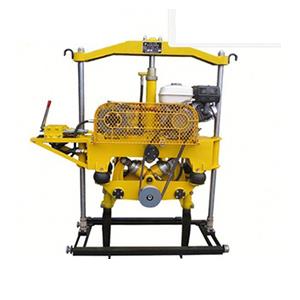
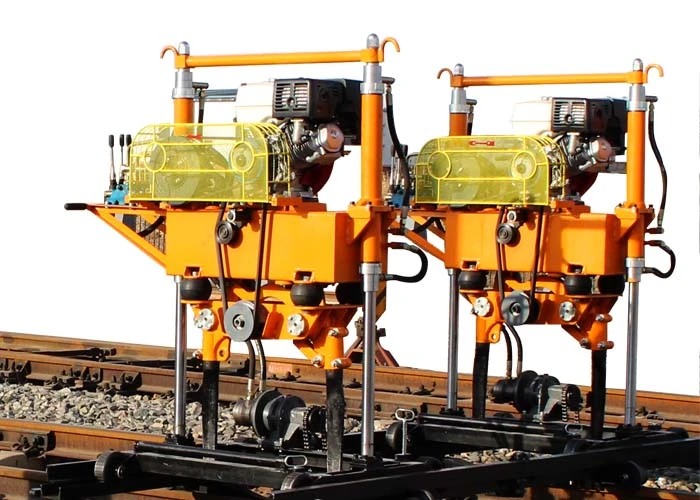
The YCD - 32 Hydraulic Switch Tamping Machine with Diesel Engine is specifically designed for switch tamping. It has a compact design and is relatively energy - efficient. The diesel engine is sized appropriately for the machine's requirements, ensuring that it doesn't consume more energy than necessary. The hydraulic system of this machine is engineered to provide precise tamping force, which helps in reducing unnecessary energy usage.
The YD - 22III Automatic Remote Control Hydraulic Rail Tamping Machine is an electric - powered track tamper. Electric track tampers like this one are known for their high energy efficiency. They convert electrical energy into mechanical energy with relatively low losses. The automatic remote - control feature also allows for more precise operation, which can further optimize energy consumption.
Strategies to Reduce Energy Consumption
1. Regular Maintenance
Regular maintenance of track tampers is crucial for reducing energy consumption. Keeping the engine or electric motor in good condition, ensuring proper lubrication of moving parts, and checking the hydraulic system for leaks can all improve the machine's efficiency. For example, a well - maintained diesel engine will burn fuel more efficiently, while a leak - free hydraulic system will reduce energy losses due to fluid leakage.
2. Optimal Operation
Operators can play a significant role in reducing energy consumption. Training operators to use the track tamper at the optimal tamping force and frequency for the specific track conditions can lead to energy savings. Additionally, proper planning of tamping operations, such as minimizing unnecessary machine movements and ensuring continuous operation, can also contribute to lower energy usage.
3. Technological Upgrades
Investing in technological upgrades can also help in reducing energy consumption. For example, upgrading to more energy - efficient engines or electric motors, or installing advanced control systems that can adjust the machine's operation based on real - time track conditions, can lead to significant energy savings over the long term.
Conclusion
Understanding the energy consumption characteristics of track tampers is essential for the railway industry. By considering factors such as machine design, tamping force, operating conditions, and implementing strategies to reduce energy consumption, operators can achieve cost savings, improve efficiency, and contribute to a more sustainable railway network.
If you are interested in our track tampers and would like to discuss your specific requirements, we invite you to contact us for a detailed procurement discussion. We are committed to providing you with the most suitable track tamper solutions that meet your energy - efficiency and performance needs.
References
- Railway Maintenance Technology Handbook, various editions.
- Journal of Railway Engineering, multiple issues on track maintenance equipment.
- Manufacturer's manuals for track tampers.