




What is the noise level of a rail drill during operation?
 Jan 07, 2026|
 The noise level of a rail drill during operation is a critical concern for both operators and those in the vicinity of the work site. As a rail drill supplier, I've had the opportunity to delve deep into this topic, understanding its implications and how it affects various stakeholders. In this blog post, I'll explore the factors that influence the noise level of a rail drill, its potential impacts, and how our products are designed to address these issues.
Factors Influencing the Noise Level of a Rail Drill
Several factors contribute to the noise generated by a rail drill during operation. One of the primary factors is the power source of the drill. Electric rail drills tend to be quieter compared to their pneumatic or hydraulic counterparts. Electric motors operate with a more consistent and controlled power output, resulting in less vibration and noise. Pneumatic drills, on the other hand, rely on compressed air, which can create a significant amount of noise as the air is released and the drill components move. Hydraulic drills, while powerful, also generate a considerable amount of noise due to the high - pressure fluid flow and the mechanical movement of the drill.
The design of the drill itself also plays a crucial role. The type of cutting mechanism, the quality of the drill bits, and the overall build of the drill can all affect the noise level. For example, a drill with a well - designed gear system will operate more smoothly, reducing the amount of noise generated by gear meshing. High - quality drill bits that are sharp and properly maintained will cut through the rail more efficiently, resulting in less noise compared to dull or worn - out bits.
The operating conditions can further influence the noise level. Drilling through different types of rails, such as those with varying hardness or thickness, can cause differences in noise. Drilling at high speeds or with excessive force can also increase the noise level. Additionally, the environment in which the drill is being used, such as whether it is in an open area or a confined space, can impact how the noise is perceived. In a confined space, the noise can bounce off the walls, amplifying the sound.
Impacts of High Noise Levels
High noise levels from rail drills can have several negative impacts. From an operator's perspective, prolonged exposure to high - level noise can lead to hearing loss. The World Health Organization (WHO) has set guidelines for safe noise exposure levels, and continuous exposure to noise above these levels can cause permanent damage to the inner ear. This not only affects the operator's quality of life but can also lead to long - term health issues.
In addition to the health risks for operators, high noise levels can also cause disruptions in the surrounding area. In urban areas, where rail maintenance work is often carried out, the noise can disturb residents, businesses, and even wildlife. It can also interfere with communication between workers on the site, increasing the risk of accidents. Moreover, in some cases, high noise levels may violate local noise regulations, leading to fines and legal issues for the rail maintenance companies.
Our Approach to Reducing Noise Levels
As a rail drill supplier, we are committed to providing products that minimize noise levels without compromising on performance. Our engineers have spent countless hours researching and developing innovative solutions to address this issue.
One of the key features of our rail drills is the use of advanced electric motor technology. Our electric motors are designed to operate with high efficiency, reducing the amount of vibration and noise. We also use high - quality insulation materials to further dampen the noise generated by the motor.
In terms of the drill design, we have optimized the cutting mechanism to ensure smooth and efficient operation. Our drill bits are made from high - grade materials and are precision - engineered to cut through the rail with minimal noise. We also regularly update our drill designs based on the latest research and customer feedback to continuously improve the noise performance.
We also offer additional noise - reduction accessories for our rail drills. For example, we have developed noise - absorbing enclosures that can be installed around the drill to reduce the noise emitted into the environment. These enclosures are made from lightweight yet durable materials and are easy to install and remove.
Related Products and Information
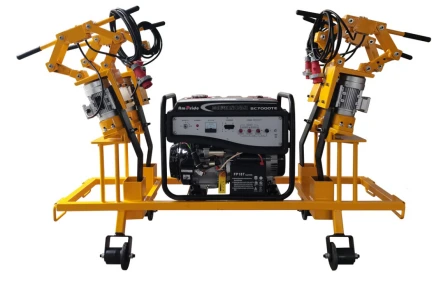
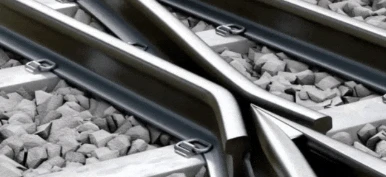
If you're interested in other rail - related products and information, we have some great resources for you. Check out our DJQ - I Single - side Rail Chamfering Device, which is designed to provide precise chamfering for rails. It's a valuable addition to any rail maintenance toolkit. Also, if you want to learn more about wing rails, read our article What Do You Know About Wing Rails?. And for those looking for a reliable tamping solution, our Electric Rail Tamping Machine is a great option.
Contact Us for Purchase and Consultation
We understand that every rail maintenance project is unique, and you may have specific requirements for your rail drills. Whether you're looking for a drill with low noise levels, high - performance capabilities, or other features, our team of experts is here to help. We can provide you with detailed product information, technical support, and pricing quotes.
If you're interested in purchasing our rail drills or would like to have a consultation about your rail maintenance needs, please get in touch with us. We look forward to working with you to find the best solutions for your projects.
References
- World Health Organization. (Year). Guidelines for community noise.
- Industry reports on rail drill technology and noise reduction.