




What are the latest technological advancements in rail tamper design?
 Jun 04, 2025|
 Hey there! As a rail tamper supplier, I'm super stoked to chat about the latest technological advancements in rail tamper design. Rail tampers are crucial pieces of equipment in the railway maintenance industry, and the tech behind them has been evolving at a breakneck pace.
First off, let's talk about the basics. A Rail Tamper is used to pack the ballast under railway tracks, ensuring that the tracks are stable and level. This is essential for the safety and smooth operation of trains. Over the years, the design of rail tampers has come a long way from the manual and simple mechanical versions to highly sophisticated machines.
One of the most significant advancements is in the area of automation. Modern rail tampers are increasingly being equipped with automated systems that can perform tasks with a high degree of precision. For example, some tampers can now automatically adjust the tamping force based on the type of ballast and the condition of the tracks. This not only improves the quality of the tamping work but also reduces the workload on the operators. With automation, the tamper can follow pre - programmed routes and adjust its operations in real - time, making the entire tamping process much more efficient.
Another cool development is the use of advanced hydraulic systems. Hydraulic Ballast Tamping Machine YD - 22 For Railway is a great example of how hydraulics are revolutionizing rail tamper design. Hydraulic systems offer several advantages over traditional mechanical systems. They can generate high forces with relatively small components, allowing for more compact and lightweight tamper designs. Hydraulic actuators can also provide smooth and precise movements, which is crucial for accurate tamping. Moreover, hydraulic systems are more reliable and require less maintenance compared to their mechanical counterparts.
In terms of control systems, modern rail tampers are now using state - of - the - art electronics. These control systems can monitor various parameters such as tamping depth, force, and the position of the tamper. They can also provide real - time feedback to the operators, allowing them to make quick adjustments if needed. Some advanced control systems even use sensors to detect the condition of the ballast and the tracks, enabling the tamper to adapt its operations accordingly.
The integration of GPS technology is also a game - changer. With GPS, rail tampers can be accurately positioned on the tracks. This is especially useful for large - scale railway maintenance projects where multiple tampers are working in different sections of the tracks. GPS allows for better coordination between different machines and ensures that the tamping work is carried out in a uniform and precise manner across the entire railway network.
When it comes to safety features, the latest rail tampers are much improved. They are equipped with emergency stop buttons, safety guards, and sensors that can detect potential hazards. For example, sensors can detect if the tamper is getting too close to other equipment or if there are any obstacles in its path. In such cases, the tamper can automatically stop or adjust its course to avoid accidents.
Let's not forget about the environmental aspect. Newer rail tamper designs are more energy - efficient. They use less fuel or electricity compared to older models, which not only reduces operating costs but also has a positive impact on the environment. Some tampers are also being designed to reduce noise pollution, which is a major concern in areas where railway tracks are close to residential areas.
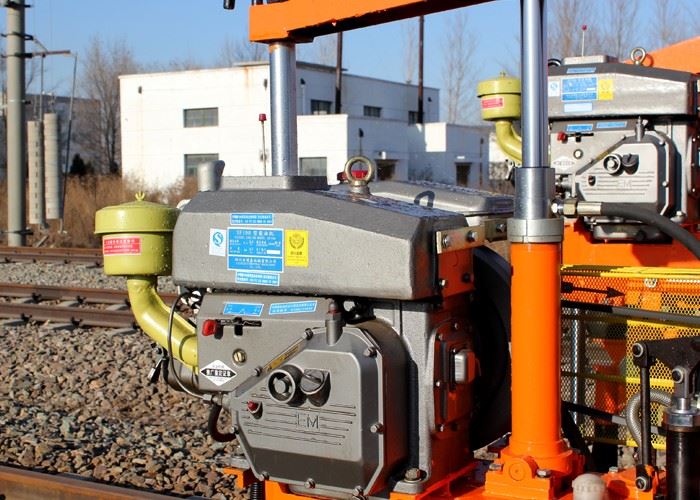
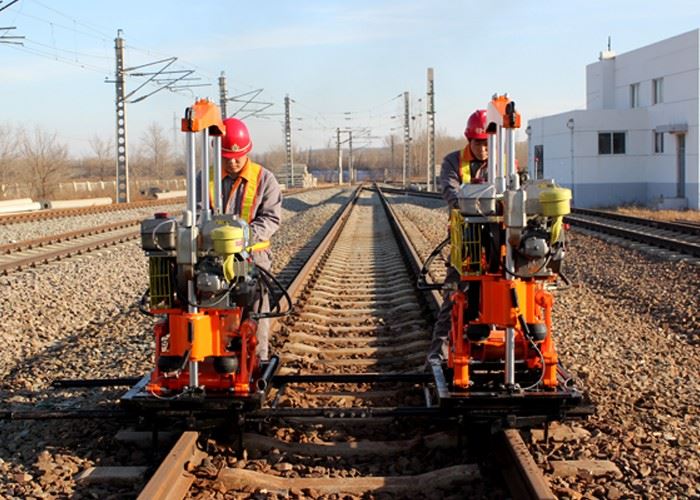
Now, if we compare different types of rail tampers, Railroad Tamper models come in various sizes and configurations to suit different needs. Smaller handheld or portable tampers are ideal for light - duty maintenance work, such as in small railway yards or for minor track repairs. On the other hand, large - scale, self - propelled tampers are used for major railway construction and maintenance projects. These big machines can cover large distances quickly and can perform tamping work on multiple tracks simultaneously.
In the future, we can expect even more advancements in rail tamper design. The development of artificial intelligence (AI) and machine learning could lead to rail tampers that can learn from past operations and continuously improve their performance. For example, an AI - enabled tamper could analyze the data from previous tamping jobs to optimize its tamping force, depth, and speed for different track conditions.
If you're in the market for a rail tamper, you're probably wondering what to look for. First, consider your specific needs. Think about the size of the railway project, the type of tracks, and the frequency of use. Look for a tamper that has the latest technological features we've discussed, such as advanced control systems, GPS integration, and energy - efficient operation.
As a rail tamper supplier, I can tell you that we're constantly working on improving our products to meet the changing needs of the railway industry. We're committed to providing high - quality rail tampers that are reliable, efficient, and safe. If you're interested in learning more about our rail tamper products or have any questions about railway maintenance equipment, don't hesitate to get in touch. We'd be more than happy to have a chat with you and discuss how our products can meet your requirements. Whether you're a small railway operator or a large - scale construction company, we've got the right rail tamper for you. So, reach out and let's start a conversation about how we can help you with your railway maintenance needs.
References
- Industry reports on railway maintenance equipment
- Technical papers on the development of rail tamper technology