




What are the lifting capacities of a railroad tamper?
 Jan 19, 2026|
 Hey there, fellow railroad enthusiasts and industry professionals! I'm a supplier of railroad tampers, and today I'm stoked to chat about one of the most crucial aspects of these machines: their lifting capacities.
First off, let's quickly touch on what a railroad tamper does. In simple terms, a railroad tamper is a device used to pack the ballast (the gravel under the railroad tracks) around the railroad ties. This process is super important because it gives the tracks stability and proper alignment, ensuring a smooth and safe ride for trains. Lifting capacity is a huge part of how well a tamper can do its job.
When it comes to different types of railroad tampers, there are quite a few, and each has its own unique lifting capacity. We've got diesel - powered tampers, electric tampers, and hydraulic tampers. Each type is designed for specific tasks and environments, which directly affects their lifting abilities.
Let's start with the smaller - scale and more portable options. The ND - 5 Petrol Engine Rail Tamper is a great example. This baby is powered by a petrol engine, making it highly maneuverable and perfect for smaller - scale track maintenance jobs. Its lifting capacity is relatively modest compared to the bigger machines. It can usually handle lifting a few hundred kilograms of ballast and track components. This is ideal for situations where you need to do some quick repairs on sections of track, like adjusting the alignment of a small siding or dealing with minor settlement issues.
The ND - 5's design is optimized for ease of use. It's light enough that it can be transported easily to different work areas on a railroad site. Its compact size also allows it to work in tight spaces where larger tampers might not be able to reach. Despite its smaller lifting capacity, it gets the job done efficiently for its intended purposes.
Moving on to the more heavy - duty options, the YCD - 32 High Efficient Hydraulic Switch Tamping Machine with Petrol Engine is a beast. Hydraulic tampers like this one use the power of fluid pressure to generate a lot of force. The YCD - 32 is specifically designed for switch areas on the railroad. Switch areas are where the tracks diverge or converge, and they require more precise and powerful tamping.
This machine has a significantly higher lifting capacity. It can lift several thousand kilograms of ballast and track components at once. This is necessary in switch areas because the track configuration is more complex, and the ballast needs to be packed tightly to ensure the smooth operation of the switches. The hydraulic system in the YCD - 32 allows for fine - tuned control of the tamping and lifting process. You can adjust the force and the depth of the tamping depending on the specific requirements of the switch area.
The petrol engine in the YCD - 32 provides a good balance between power and portability. It can be moved relatively easily between different switch locations on a railroad network. And because it can lift and tamp large amounts of ballast at once, it significantly reduces the time needed for switch maintenance, which is a big plus for railroad operators looking to minimize downtime.
Another type of tamper we offer is the D - 3*4 Electrical Rail Tamping Machine. Electrical tampers are great for areas where you have a reliable power supply. They're also known for their consistent performance. The D - 3*4 has a lifting capacity that falls somewhere between the ND - 5 and the YCD - 32.
It's suitable for general track maintenance on main lines. It can lift enough ballast and track components to properly realign and stabilize the tracks. The electrical power source means that it doesn't produce emissions like a petrol or diesel engine, which is a plus for environmental reasons. And it runs smoothly and quietly, which is also an advantage when working in populated areas near the railroad tracks.
When choosing a railroad tamper based on its lifting capacity, there are a few factors to consider. First of all, the size and scale of the project are crucial. For a small - scale, on - the - fly repair job, you don't need a high - capacity tamper. The ND - 5 would be a great fit. But if you're working on a major railroad construction project or large - scale track renovation, you'll need a machine like the YCD - 32 with its high lifting capacity.
The type of track also matters. Different tracks have different requirements for ballast compaction and alignment. For example, high - speed rail tracks need to be extremely precise, and a tamper with a good lifting capacity and fine - tuned control is essential. On the other hand, slower - speed freight tracks might have slightly more lenient requirements, but still need proper tamping to ensure long - term durability.
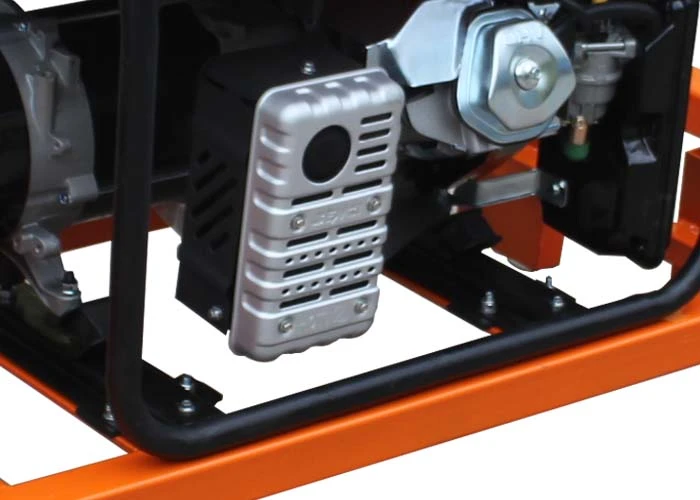
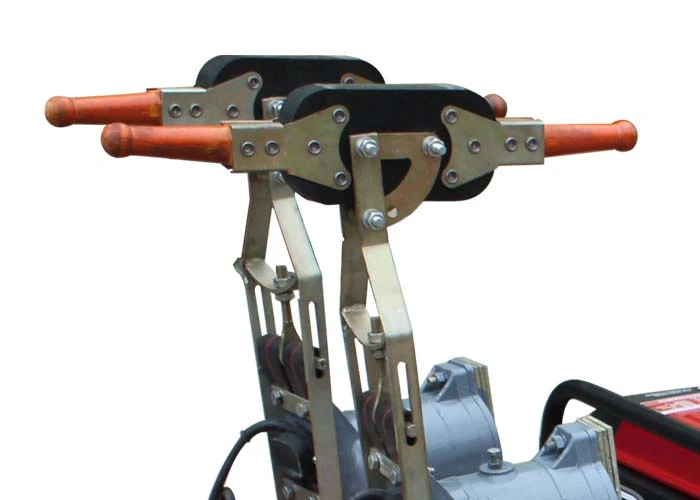
The environment where the tamper will be used is another important factor. If you're working in a remote area with no access to electricity, a petrol or diesel - powered tamper like the ND - 5 or YCD - 32 is a better choice. But if you're in an urban area with easy access to power outlets, an electrical tamper like the D - 3*4 could be more suitable.
In conclusion, understanding the lifting capacities of railroad tampers is key to choosing the right machine for your railroad maintenance or construction needs. We've got a range of options, from the smaller, more portable ND - 5 to the heavy - duty YCD - 32 and the reliable D - 3*4.
If you're in the market for a railroad tamper, whether it's for a small job or a large - scale project, we're here to help. We can provide detailed information about each machine, its lifting capacity, and how it can fit your specific requirements. Don't hesitate to reach out for a chat about how we can get the right railroad tamper for you. Let's work together to keep those railroad tracks in top shape!
References
- General knowledge of railroad tamper technology and industry standards.
- Product specifications provided by the manufacturer for the ND - 5, YCD - 32, and D - 3*4 railroad tampers.