




What is the productivity of a rail tamper in a day?
 Jan 19, 2026|
 The productivity of a rail tamper in a day is a crucial metric for railway maintenance and construction projects. As a leading rail tamper supplier, I've witnessed firsthand how the efficiency of these machines can significantly impact project timelines and costs. In this blog, I'll delve into the factors that influence a rail tamper's daily productivity, provide real - world examples, and discuss how our products can help you achieve optimal results.
Factors Affecting Rail Tamper Productivity
Machine Type and Specifications
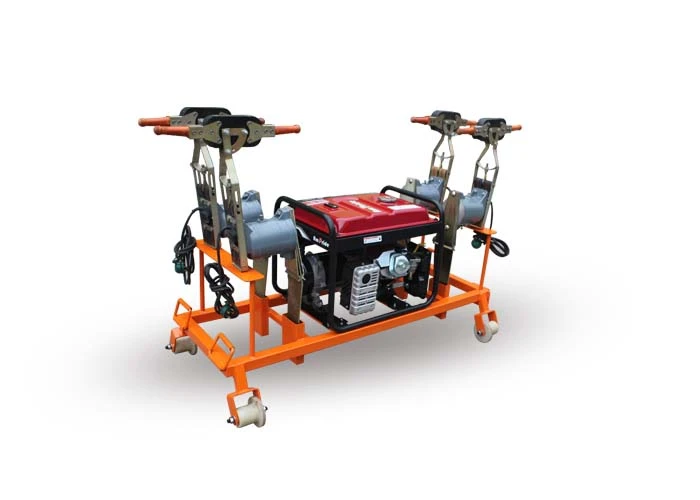
Different types of rail tampers have varying capabilities. For instance, the D 3×4 Electric Rail Tamper is a powerful electric - driven machine designed for high - precision tamping. It can operate continuously for long periods, with a high tamping frequency and force. Its advanced design allows for quick and efficient compaction of ballast under the rails, which directly contributes to higher productivity.
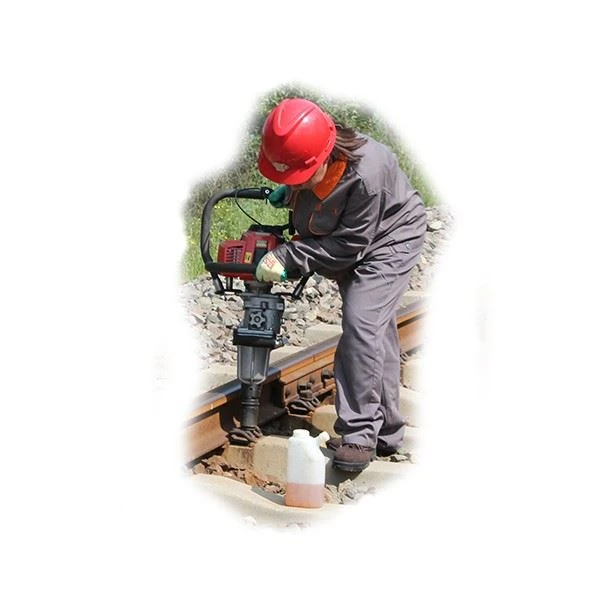
On the other hand, internal combustion rail tampers like the NLB - 500 Internal Combustion Rail Track Bolt Wrench offer more mobility, especially in areas where electrical power is not readily available. However, their productivity might be slightly lower due to the need for fuel refills and engine maintenance.
The D - 3*4 Electrical Rail Tamping Machine combines the advantages of electrical power and a well - engineered tamping mechanism. Its adjustable tamping parameters can be optimized according to the specific requirements of the railway track, which is beneficial for improving productivity.
Track Conditions
The condition of the railway track plays a vital role in determining the productivity of a rail tamper. Tracks with old or loose ballast require more tamping passes to achieve the desired compaction. In such cases, the machine has to work harder and slower, reducing the overall daily productivity.
If the track has a large number of curves or switches, the rail tamper needs to be adjusted more frequently. The operator has to pay extra attention to ensure accurate tamping in these complex areas, which also slows down the process.
Operator Skill and Experience
An experienced operator can significantly enhance the productivity of a rail tamper. They are familiar with the machine's controls and can adjust the tamping parameters according to the track conditions. They can also quickly identify and troubleshoot any issues that may arise during operation, minimizing downtime.
For example, an experienced operator knows how to position the tamper accurately over the rails, which reduces the number of re - tamping operations. They can also operate the machine at an optimal speed, balancing between tamping quality and speed.
Measuring Rail Tamper Productivity
Productivity is usually measured in terms of the length of track tamped per day. This measurement takes into account the time spent on tamping, as well as any breaks for maintenance, refueling (for internal combustion tampers), and operator rest.
Let's assume a well - maintained D 3×4 Electric Rail Tamper operated by an experienced operator on a relatively straight and well - ballasted track. Under ideal conditions, it can tamp approximately 1 - 2 kilometers of track per day.
However, in more challenging conditions, such as tracks with poor ballast or a high number of curves, the productivity may drop to 0.5 - 1 kilometer per day.
Real - World Examples
In a recent railway maintenance project, a team used our D - 3*4 Electrical Rail Tamping Machine to tamp a 10 - kilometer stretch of track. The track had a mix of straight sections and curves, and the ballast was in average condition.
The operator, who had several years of experience with our machines, managed to complete the tamping in 8 days. This means an average productivity of about 1.25 kilometers per day. The project was completed on schedule, thanks to the machine's high performance and the operator's skills.
In another project where an internal combustion rail tamper was used on a track with very old ballast, the productivity was much lower. The machine could only tamp about 0.8 kilometers of track per day. The operator had to make multiple passes over each section of the track to achieve the required compaction.
Improving Rail Tamper Productivity
Regular Maintenance
Regular maintenance is essential for ensuring the optimal performance of a rail tamper. This includes checking and lubricating the moving parts, inspecting the tamping tools for wear, and calibrating the machine's sensors and controls.
For example, if the tamping tools are worn out, they will not be able to compact the ballast effectively, reducing productivity. By replacing the worn - out parts in a timely manner, the machine can operate at its best.
Training for Operators
Providing comprehensive training for operators can improve their skills and knowledge. Our company offers training programs that cover machine operation, maintenance, and troubleshooting. Operators who participate in these programs are better equipped to handle different track conditions and operate the machine efficiently.
Choosing the Right Machine
Selecting the appropriate rail tamper for the specific project is crucial. Consider factors such as track length, track conditions, and power availability. If the project involves a long stretch of straight track with good ballast, an electric rail tamper like the D 3×4 Electric Rail Tamper would be a great choice.
Conclusion
The productivity of a rail tamper in a day is influenced by multiple factors, including machine type, track conditions, and operator skill. By understanding these factors and taking appropriate measures, such as regular maintenance, operator training, and choosing the right machine, you can significantly improve the productivity of your rail tamping operations.
As a rail tamper supplier, we are committed to providing high - quality machines and excellent support services. Our products are designed to meet the diverse needs of railway maintenance and construction projects. If you are interested in learning more about our rail tampers or have any questions regarding productivity, we encourage you to contact us for a detailed discussion. We look forward to working with you to achieve your railway project goals.
References
- Railway Maintenance Handbook, published by a well - known railway industry publisher.
- Research papers on rail tamper technology and productivity, available in academic databases.