




What are the main components of a rail vehicle?
 Nov 20, 2025|
 Hey there! As a supplier of rail vehicles, I've been in the thick of the industry for quite some time. I've seen all sorts of rail vehicles up close and personal, from the tiniest trolleys to the massive freight cars. So, I thought I'd share with you the main components of a rail vehicle. It'll give you a better idea of what goes into these amazing machines and help you make an informed decision if you're thinking about buying one.
The Chassis: The Backbone of the Rail Vehicle
Let's start with the chassis. You can think of it as the skeleton of the rail vehicle. It's the main structure that holds everything together. The chassis has to be strong and durable because it bears the weight of all the other components, as well as the passengers or cargo.
It's usually made of steel or aluminum. Steel is super strong and can handle heavy loads, which is why it's often used in freight cars and large passenger trains. Aluminum, on the other hand, is lighter. That means it can help the rail vehicle use less energy, which is great for the environment and your wallet.
The chassis also has mounting points for other important parts like the wheels, axles, and suspension systems. Without a well - designed chassis, the whole rail vehicle would fall apart.
Wheels and Axles: The Rolling Power
Next up are the wheels and axles. These are what make the rail vehicle move along the tracks. The wheels are specially designed to fit the rails. They have a flange on the inner side that keeps the vehicle on the track, preventing it from derailing.
The axles connect the wheels on either side of the rail vehicle. They're made of high - strength steel to handle the weight and the forces generated when the vehicle is moving. The wheels and axles work together to support the weight of the vehicle and transfer the power from the propulsion system to the tracks.
There are different types of wheels and axles depending on the type of rail vehicle. For example, a PC - 20 PC - 50 Railcar might have wheels and axles designed for a specific load capacity and speed.
Suspension System: A Smooth Ride
The suspension system is crucial for a comfortable and safe ride. It's what absorbs the shocks and vibrations from the tracks. There are two main types of suspension systems in rail vehicles: primary and secondary.
The primary suspension is located between the wheels and the bogie (a framework that holds the wheels and axles). It helps to keep the wheels in contact with the tracks and reduces the impact of uneven track surfaces. The secondary suspension is between the bogie and the chassis. It further isolates the vehicle body from the vibrations and movements of the wheels.
A good suspension system can make a huge difference, especially on long journeys. It can prevent wear and tear on the vehicle and make the ride much more pleasant for passengers. Even in a Rail Trolley, a proper suspension system can improve the overall performance.
Propulsion System: Getting the Vehicle Moving
The propulsion system is what gives the rail vehicle the power to move. There are several types of propulsion systems.
One of the most common is the electric propulsion system. Electric trains are very efficient and environmentally friendly. They use electricity from overhead wires or a third rail to power an electric motor. The motor then drives the wheels through a transmission system.
Diesel - electric propulsion is another option. In this system, a diesel engine generates electricity, which is then used to power the electric motors that drive the wheels. This type of system is often used in locomotives and some freight cars.
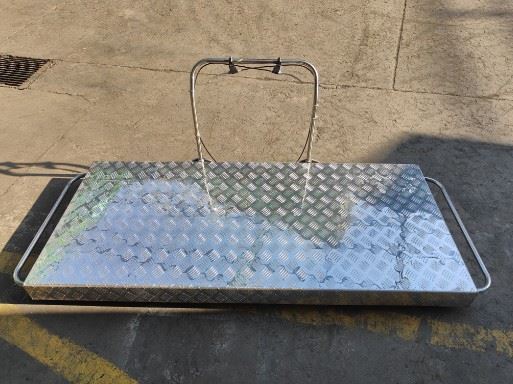
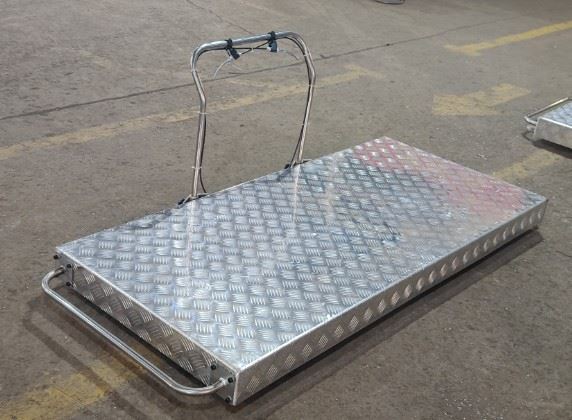
For smaller rail vehicles like Customized Rail Trolley, you might see simpler propulsion systems, such as a battery - powered electric motor.
Braking System: Stopping Safely
The braking system is just as important as the propulsion system. It's what allows the rail vehicle to stop when needed. There are different types of brakes used in rail vehicles.
The most common is the friction brake. This type of brake uses pads or shoes that press against the wheels or brake discs to create friction, which slows down the vehicle. Air brakes are also widely used, especially in larger trains. They use compressed air to apply the brakes.
Modern rail vehicles also have regenerative braking systems. These systems convert the kinetic energy of the moving vehicle back into electrical energy when the brakes are applied. This energy can then be stored and used later, which is a great way to save energy.
Cab and Interior: Comfort and Control
The cab is where the driver controls the rail vehicle. It's equipped with all the necessary controls and instruments, such as the throttle, brakes, and monitoring systems. The cab needs to be designed for easy operation and good visibility.
The interior of the rail vehicle is also important, especially if it's a passenger - carrying vehicle. It includes seating, lighting, ventilation, and other amenities. The layout and design of the interior can have a big impact on the passengers' experience. For example, in a commuter train, you might have more standing room and grab bars, while in a long - distance train, the seats might be more comfortable and there might be more space for luggage.
Coupling and Draft Gear: Connecting the Cars
If you've ever seen a long train, you know that it's made up of multiple cars. The coupling and draft gear are what connect these cars together. The coupling is the device that physically joins two cars, while the draft gear absorbs the shocks and forces between the cars when the train starts, stops, or changes speed.
There are different types of couplings, such as the automatic coupling, which can connect and disconnect the cars quickly and easily. The draft gear is usually made of springs or hydraulic dampers to provide a smooth connection between the cars.
Safety Systems: Protecting Everyone
Last but not least, rail vehicles are equipped with a variety of safety systems. These include things like fire suppression systems, emergency exits, and collision avoidance systems.
Fire suppression systems are designed to detect and extinguish fires quickly. They can use water, foam, or other extinguishing agents. Emergency exits are clearly marked and easy to access in case of an emergency.
Collision avoidance systems use sensors and technology to detect other trains or obstacles on the tracks. They can automatically apply the brakes or take other measures to prevent a collision.
Well, there you have it! These are the main components of a rail vehicle. Whether you're in the market for a PC - 20 PC - 50 Railcar, a Rail Trolley, or a Customized Rail Trolley, understanding these components can help you choose the right vehicle for your needs.
If you're interested in purchasing a rail vehicle or have any questions about our products, don't hesitate to reach out. We're here to help you find the perfect rail vehicle solution for your business.
References
- "Railway Engineering Handbook" by John Armstrong
- "Modern Rail Vehicles: Design, Operation, and Maintenance" by David Smith
- Industry reports from the Association of American Railroads