




What are the maintenance costs of a Rail Cutter?
 Jun 27, 2025|
 As a supplier of rail cutters, I often get asked about the maintenance costs associated with these essential pieces of equipment. Rail cutters are used in a variety of industries, including railway construction, maintenance, and manufacturing. They are designed to cut through different types of rails efficiently and accurately. However, like any machinery, rail cutters require regular maintenance to ensure optimal performance and longevity. In this blog post, I will discuss the various factors that contribute to the maintenance costs of a rail cutter and provide some insights on how to manage these costs effectively.
1. Types of Rail Cutters and Their Maintenance Requirements
There are different types of rail cutters available in the market, each with its own set of maintenance requirements. Some of the common types include hydraulic rail shearing machines, electric rail cutting machines, and automatic hydraulic rail fat edge grinding machines.
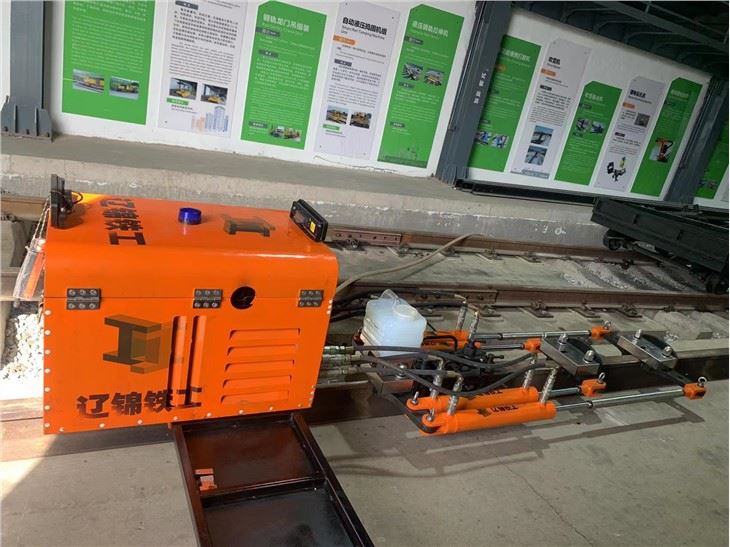
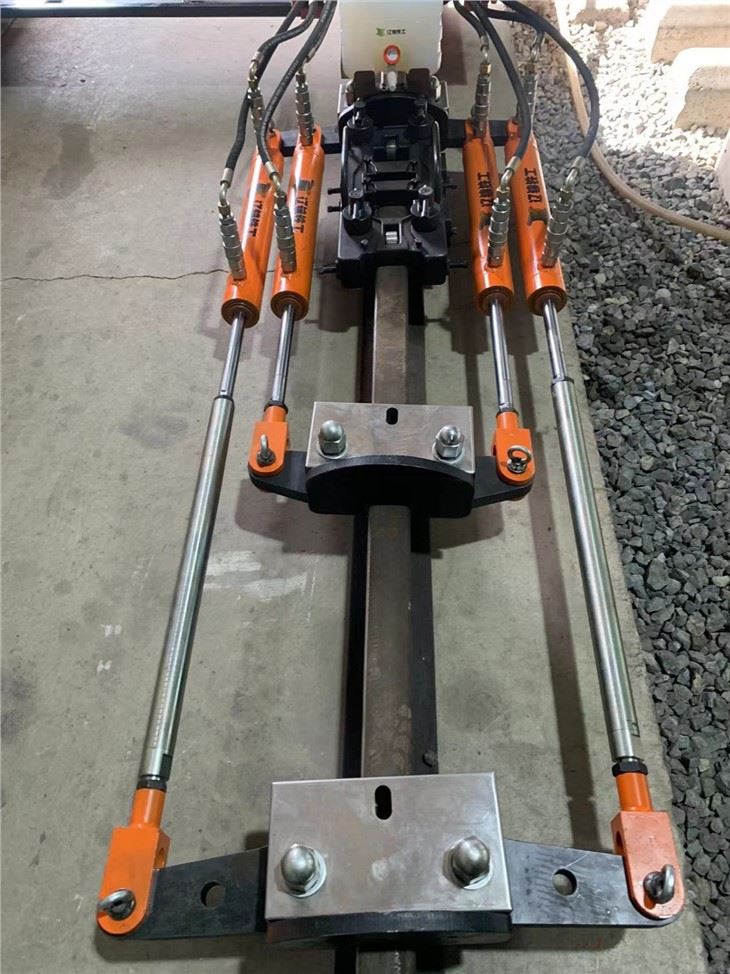
The PWS - 1 Hydraulic Rail Shearing Machine With Engine Pump is a powerful hydraulic - operated machine. Hydraulic systems in such machines need regular checks for fluid levels, leaks, and the condition of hoses and seals. The engine pump also requires proper maintenance, including oil changes, air filter replacements, and spark plug checks if it is a gasoline - powered engine.
The QG - 3II High Speed Electric Rail Cutting Machine relies on an electric motor for its operation. The motor needs to be inspected for proper lubrication, bearing wear, and electrical connections. Overheating can be a significant issue with electric motors, so ensuring proper ventilation and cooling is crucial.
The Automatic Hydraulic Rail Fat Edge Grinding Machine combines hydraulic and grinding components. The hydraulic part has similar maintenance needs as the hydraulic rail shearing machine. The grinding wheels need to be regularly inspected for wear and tear and replaced when necessary. Also, the alignment of the grinding mechanism must be checked to ensure accurate grinding.
2. Regular Maintenance Tasks and Associated Costs
Fluid and Lubricant Costs
For hydraulic rail cutters, hydraulic fluid is a key component. The cost of hydraulic fluid can vary depending on the quality and quantity required. High - quality hydraulic fluid may be more expensive initially but can prevent system failures and reduce long - term maintenance costs. Regular fluid changes are recommended, typically every 1000 - 2000 operating hours, depending on the manufacturer's guidelines. In addition to hydraulic fluid, other lubricants are used for moving parts such as bearings and gears. These lubricants need to be replenished at regular intervals, adding to the overall maintenance cost.
Filter Replacements
Filters play a vital role in keeping the hydraulic and lubrication systems clean. Air filters for engine - powered machines prevent dust and debris from entering the engine, while hydraulic filters remove contaminants from the hydraulic fluid. Filter replacements are relatively inexpensive, but they need to be done at specific intervals. For example, air filters may need to be replaced every 500 - 1000 operating hours, and hydraulic filters may be changed every 1500 - 2000 hours.
Wear and Tear Parts
Cutting blades, grinding wheels, and other cutting or abrasive components are subject to wear and tear. The cost of these parts can vary significantly depending on the type of rail cutter and the material they are made of. For instance, high - quality cutting blades for a heavy - duty rail cutter can be quite expensive. These parts need to be replaced once they reach the end of their useful life to maintain the cutting efficiency of the machine.
Electrical Component Maintenance
In electric rail cutters, electrical components such as motors, switches, and wiring need to be inspected regularly. Faulty electrical components can lead to machine malfunctions or even pose a safety hazard. The cost of replacing electrical components can range from relatively inexpensive fuses to more costly motors.
3. Preventive Maintenance vs. Reactive Maintenance
Preventive maintenance involves regularly scheduled inspections, servicing, and part replacements to prevent breakdowns. While preventive maintenance does incur upfront costs, it can save a significant amount of money in the long run. By identifying and addressing potential issues before they become major problems, the risk of costly breakdowns and production downtime is reduced.
Reactive maintenance, on the other hand, is performed only when a machine breaks down. This approach can lead to higher costs due to emergency repairs, replacement of damaged parts, and lost productivity. For example, if a hydraulic hose in a rail cutter bursts during operation, it can cause significant damage to the machine and may require a complete shutdown until the hose is replaced.
4. Factors Affecting Maintenance Costs
Operating Environment
The environment in which the rail cutter operates has a significant impact on maintenance costs. If the machine is used in a dusty or dirty environment, the air filters and other components may need to be replaced more frequently. In a humid environment, there is a higher risk of corrosion, which can damage metal parts and electrical components.
Frequency of Use
The more frequently a rail cutter is used, the higher the maintenance costs are likely to be. Machines that operate for long hours every day will experience more wear and tear on their components compared to those used less frequently. For example, a rail cutter used in a large - scale railway construction project that runs continuously may require more frequent part replacements and servicing than one used occasionally in a small workshop.
Operator Skill and Training
Well - trained operators are more likely to use the rail cutter correctly, which can reduce the wear and tear on the machine. Operators who follow the proper operating procedures, such as using the correct cutting speed and pressure, are less likely to cause damage to the cutting blades or other components. Additionally, trained operators can often identify early signs of potential problems and report them promptly, allowing for timely maintenance.
5. Strategies to Manage Maintenance Costs
Establish a Maintenance Schedule
Developing a detailed maintenance schedule based on the manufacturer's recommendations and the actual usage of the rail cutter is essential. This schedule should include all the regular maintenance tasks, such as fluid changes, filter replacements, and part inspections. By following a schedule, you can ensure that the machine is maintained at the appropriate intervals and reduce the risk of unexpected breakdowns.
Train Your Operators
Investing in operator training can pay off in terms of reduced maintenance costs. Provide comprehensive training on the proper operation, safety procedures, and basic maintenance tasks of the rail cutter. Encourage operators to report any unusual noises, vibrations, or other signs of potential problems immediately.
Source High - Quality Parts
Using high - quality replacement parts may cost more initially but can save money in the long run. High - quality parts are more durable and less likely to fail prematurely, reducing the frequency of part replacements and the associated costs.
6. Conclusion
The maintenance costs of a rail cutter can vary depending on several factors, including the type of machine, operating environment, frequency of use, and operator skill. By understanding these factors and implementing effective maintenance strategies, such as preventive maintenance, proper operator training, and using high - quality parts, you can manage the maintenance costs effectively.
If you are in the market for a rail cutter or need more information on maintenance and cost - effective solutions, we are here to help. Our team of experts can provide you with detailed information on our range of rail cutters and offer advice on how to minimize maintenance costs. Contact us today to start a conversation about your rail - cutting needs and explore the best options for your business.
References
- Manufacturer's manuals for PWS - 1 Hydraulic Rail Shearing Machine With Engine Pump, QG - 3II High Speed Electric Rail Cutting Machine, and Automatic Hydraulic Rail Fat Edge Grinding Machine.
- Industry reports on railway construction and maintenance equipment.