




How is the demand for railway cars changing over time?
 Jun 27, 2025|
 Over the years, the railway industry has witnessed significant transformations, and the demand for railway cars has been evolving in tandem with various economic, technological, and social factors. As a railway car supplier, I have had a front - row seat to these changes, and in this blog, I will delve into how the demand for railway cars has shifted over time.
Early Days: The Industrial Revolution and Basic Transportation Needs
In the early days of the railway era, which coincided with the Industrial Revolution, the demand for railway cars was primarily driven by the need to transport raw materials and finished goods. Coal, iron ore, and other heavy commodities were the main cargoes. These early railway cars were simple in design, often consisting of open - top wagons with basic suspension systems. The focus was on durability and the ability to carry large volumes of goods over long distances.
The demand was also influenced by the expansion of industries and the growth of urban centers. As factories sprang up and cities grew, there was a pressing need to move goods efficiently between production sites and markets. The railway network expanded rapidly, and the number of railway cars in use increased exponentially. This was a time when quantity was more important than quality, and the emphasis was on building as many cars as possible to meet the growing demand.
Mid - 20th Century: Specialization and Passenger Comfort
As the 20th century progressed, the demand for railway cars started to diversify. On the freight side, there was a growing need for specialized cars. Refrigerated cars, for example, were developed to transport perishable goods such as fruits, vegetables, and meat. These cars were equipped with cooling systems that maintained a constant temperature, ensuring the quality of the cargo during transit.
In the passenger sector, the focus shifted towards comfort. Trains became a popular mode of long - distance travel, and railway companies competed to offer the best amenities. Passenger cars were designed with better seating, air - conditioning, and dining facilities. The demand for luxury train travel also emerged, with high - end railway cars featuring private compartments, fine dining options, and exclusive services.
This period also saw the development of high - speed trains in some countries. High - speed railway cars needed to be aerodynamically designed to reduce drag and increase speed. They also required advanced safety features and more sophisticated suspension systems to ensure a smooth ride at high velocities.
Late 20th Century to Present: Environmental Concerns and Technological Advancements
In recent decades, environmental concerns have become a major factor influencing the demand for railway cars. With the growing awareness of climate change and the need to reduce carbon emissions, there has been a push towards more sustainable transportation options. Railways are generally considered more environmentally friendly than road and air transport, and this has led to an increased demand for railway cars.
On the technological front, there have been remarkable advancements. The development of electric and hybrid railway cars has been a significant trend. Electric railway cars are more energy - efficient and produce fewer emissions compared to diesel - powered ones. Hybrid cars combine the advantages of both electric and diesel power, offering flexibility in different operating conditions.
The rise of automation and digitalization has also had an impact on the demand for railway cars. Automated trains are becoming more common, and railway cars need to be equipped with advanced control systems and sensors. These technologies improve safety, efficiency, and reliability.
The Impact of Changing Market Demands on Our Product Portfolio
As a railway car supplier, we have had to adapt our product portfolio to meet these changing demands. In response to the growing demand for sustainable transportation, we have developed a range of Battery Rail Trolley. These trolleys are powered by batteries, which significantly reduce emissions and are suitable for short - distance and light - duty applications.
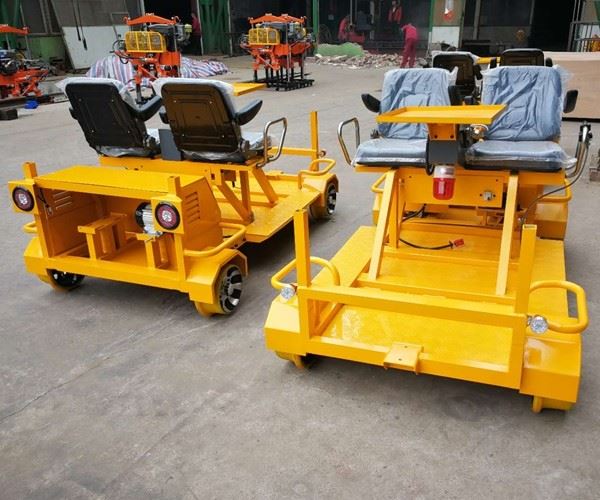
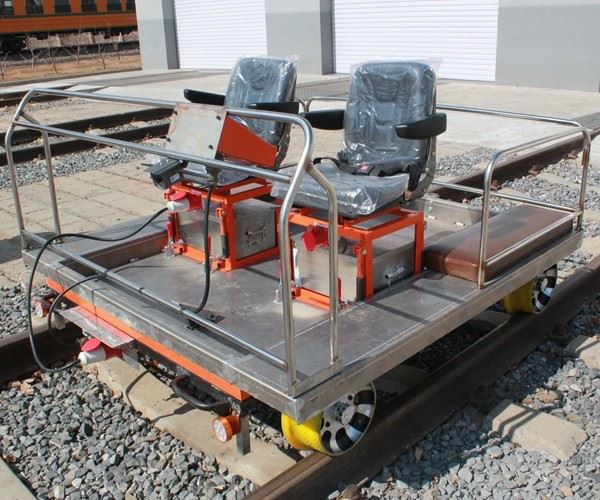
For customers who require more customized solutions, we offer Customized Li - battery Aluminium Alloy Railway Track Trolley 2seat/4seat. These trolleys are made of lightweight aluminium alloy, which improves energy efficiency. The lithium - battery power system provides a reliable and clean source of energy, and the ability to customize the number of seats makes them suitable for a variety of passenger transport needs.
In addition, we have recognized the importance of multi - modal transportation. Our Road Rail Vehicles can operate both on roads and railways, providing a seamless connection between different transportation modes. This is particularly useful for last - mile delivery and in areas where the railway network is not fully developed.
Future Trends and the Role of Our Company
Looking ahead, several trends are likely to shape the demand for railway cars. The continued growth of e - commerce is expected to increase the demand for freight railway cars, especially for the transportation of small parcels. There will also be a greater emphasis on smart railway cars, which can communicate with each other and with the railway infrastructure to optimize operations.
As a railway car supplier, we are committed to staying at the forefront of these trends. We will continue to invest in research and development to improve the performance, efficiency, and sustainability of our railway cars. We will also focus on providing excellent customer service, ensuring that our products meet the specific needs of each customer.
Invitation to Contact for Procurement
If you are in the market for railway cars, whether it is for freight or passenger transport, we would love to have a discussion with you. Our team of experts can provide you with detailed information about our products, help you choose the most suitable railway cars for your needs, and offer competitive pricing. We are dedicated to building long - term partnerships with our customers and ensuring their satisfaction. So, if you have any questions or are interested in procurement, please feel free to reach out to us.
References
- Hill, J. R. (2018). The History of Railway Cars: From the Industrial Revolution to the Digital Age. London: Transport Publishing.
- Smith, A. B. (2020). Environmental Impact of Railway Transportation and the Future of Railway Cars. Journal of Sustainable Transport, 12(3), 156 - 170.
- Brown, C. D. (2021). Technological Advancements in Railway Cars: A Review. International Journal of Railway Technology, 8(2), 90 - 105.