




What are the maintenance steps for a Track Cutter?
 Dec 25, 2025|
 Hey there, all you rail maintenance enthusiasts! As a supplier of top - notch track cutters, I know firsthand how crucial it is to keep these machines in tip - top shape. A well - maintained track cutter performs better, lasts longer, and saves you a whole lot of money in the long run. So, let's dive into the essential maintenance steps for a track cutter.
Step 1: Pre - operation Inspection
Before you start using your track cutter for the day, it's vital to conduct a thorough pre - operation check. This might seem like a hassle, but trust me, it can prevent a world of problems down the line.
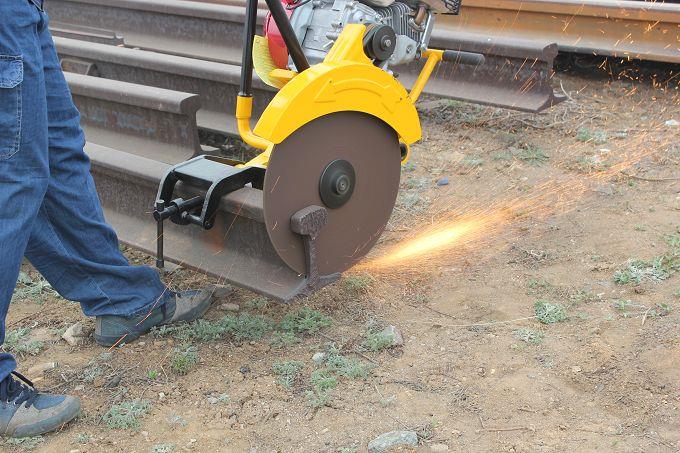
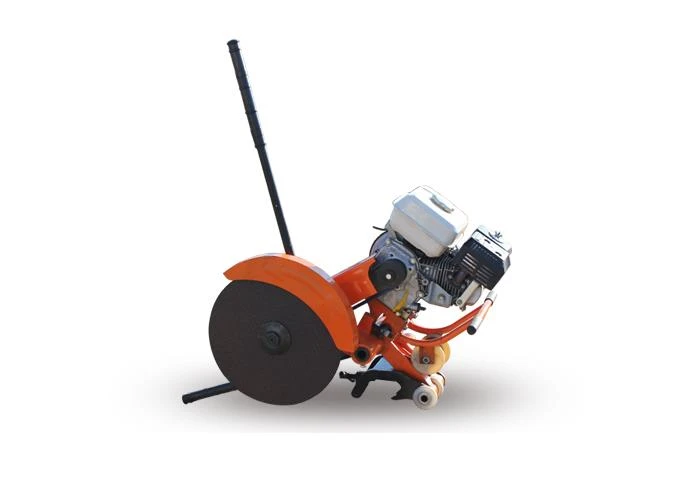
First off, visually inspect the entire machine. Look for any signs of damage, like cracks in the housing, loose parts, or worn - out cables. Pay special attention to the cutting blade. If it's chipped, dull, or has excessive wear, it's going to affect the cutting quality and could even be dangerous. Replace the blade if needed. You can check out our NQG - 5III Best Seller Multifunction Low Price Internal Combustion Rail Cutting Machine which comes with a high - quality blade and is a great option for efficient rail cutting.
Next, check the fuel and oil levels. Running your track cutter on low fuel can cause it to stall in the middle of a job, and insufficient oil can lead to engine damage. Make sure to use the right type of fuel and oil as specified in the manufacturer's manual. Also, check for any leaks around the fuel and oil tanks. A small leak can turn into a big problem if not addressed promptly.
Step 2: Cleaning
Cleaning your track cutter regularly is a no - brainer. After each use, remove any debris, dust, and metal shavings from the machine. These particles can accumulate in the moving parts, causing them to wear out faster.
Start by using a brush or compressed air to remove the loose debris from the exterior of the machine. Then, focus on the cutting area. Use a cleaning solvent to remove any stubborn oil or grease residue. Be careful not to get the solvent on any electrical components.
For the interior parts, if possible, open the access panels and clean the internal components. This will help prevent clogs and ensure smooth operation. A clean machine not only looks better but also functions more efficiently.
Step 3: Lubrication
Lubrication is like giving your track cutter a drink of water to keep it hydrated. It reduces friction between moving parts, which in turn reduces wear and tear and heat generation.
Identify all the moving parts that require lubrication, such as the gears, bearings, and shafts. Use the appropriate lubricant as recommended by the manufacturer. Over - lubricating can be just as bad as under - lubricating, so follow the guidelines on the amount to use.
Apply the lubricant at regular intervals. For some parts, it might be after every few hours of operation, while for others, it could be on a weekly or monthly basis. Keeping the moving parts well - lubricated will extend the lifespan of your track cutter.
Step 4: Blade Maintenance
The cutting blade is the heart of your track cutter, so taking good care of it is essential. As mentioned earlier, check the blade for damage before each use. But there's more to blade maintenance than just inspection.
Sharpen the blade regularly. A dull blade will not only cut less efficiently but also put more strain on the machine's motor. You can use a blade sharpener or take it to a professional if you're not comfortable doing it yourself.
Also, make sure to store the blade properly when it's not in use. Keep it in a dry, protected place to prevent rust and corrosion. If the blade becomes damaged beyond repair, replace it immediately. Using a damaged blade can be extremely dangerous and can also cause damage to the track cutter.
Step 5: Electrical System Check
If your track cutter has an electrical system (which many modern ones do), it's important to check it regularly. Start by inspecting the power cables for any signs of damage, like fraying or exposed wires. Faulty cables can pose a serious safety risk, so replace them if necessary.
Check the battery (if applicable) for its charge level and overall condition. Batteries can degrade over time, so keep an eye on their performance. Clean the battery terminals to prevent corrosion, which can affect the electrical connection.
Test the electrical switches and controls to make sure they're working properly. If you notice any issues, such as a switch not responding or a control being unresponsive, have it repaired as soon as possible.
Step 6: Calibration
Calibration ensures that your track cutter is cutting at the correct depth, angle, and speed. Over time, the settings of the machine can drift, leading to inaccurate cuts.
Refer to the manufacturer's manual for the calibration procedure. It usually involves using special tools to measure and adjust the various parameters of the machine. Calibrating the track cutter at regular intervals, say every few months or after a certain number of hours of operation, will ensure that you get precise cuts every time.
Step 7: Storage
Proper storage is important when your track cutter isn't in use. If you're storing it for a short period, make sure to clean and lubricate it first. Then, cover it with a protective cover to keep dust and moisture away.
For long - term storage, it's a good idea to drain the fuel and oil from the machine to prevent deterioration. Store the track cutter in a dry, temperature - controlled environment. You might also want to disconnect the battery to prevent it from discharging.
Step 8: Professional Maintenance
Even if you're doing a great job with the regular maintenance, it's still a good idea to have your track cutter serviced by a professional periodically. A professional technician can perform in - depth inspections and identify any potential problems that you might have missed.
They can also carry out more complex maintenance tasks, such as engine overhauls or major component replacements. By having your track cutter professionally maintained, you can ensure that it's always in optimal condition.
Now, if you're in the market for a high - quality track cutter or need any advice on maintenance, we've got you covered. We offer a wide range of track cutters, including the Pertol Engine Rail Waist Grinding Machine and the SNGM - 180 Portable Rail Grinding Machine. Whether you're a small - scale rail maintenance contractor or a large - scale railway company, we have the right solution for you.
Contact us today to discuss your specific requirements and let's start a great partnership in rail maintenance.
References
- Track Cutter Manufacturer's Manuals
- Industry Best Practices for Rail Maintenance Equipment