




What are the noise levels of Rail Grinders?
 Jul 22, 2025|
 What are the noise levels of Rail Grinders?
As a supplier of rail grinders, I've had numerous inquiries about the noise levels of these machines. Noise is a critical factor in any industrial equipment, and rail grinders are no exception. In this blog, I'll delve into the noise levels of rail grinders, factors that influence them, and the importance of noise control in the context of rail maintenance.
Understanding Noise Levels in Rail Grinders
Rail grinders are used to maintain the surface of railway tracks, ensuring smooth and safe train operations. These machines come in various types, each with its own noise characteristics. The noise generated by rail grinders is primarily due to the interaction between the grinding wheel and the rail surface, as well as the operation of the machine's power source.
The noise levels of rail grinders are typically measured in decibels (dB). A decibel is a unit used to express the ratio of a sound's intensity to a reference level. In the context of rail grinders, the noise levels can range from around 80 dB to over 100 dB, depending on several factors.
Factors Influencing Noise Levels
Type of Rail Grinder
There are different types of rail grinders available in the market, each designed for specific applications. For example, the Internal Combustion Slope Ballast Rail Shaping Machine is used for shaping the ballast and rail slopes. This type of machine may produce a different noise level compared to the DGM - 2.2 I Internal Combustion Multi - functional Switch Rail Grinding Machine, which is designed for grinding switch rails. The design and operation of these machines play a significant role in determining the noise they generate.
Grinding Wheel
The type, size, and condition of the grinding wheel can have a substantial impact on the noise levels. A worn - out or damaged grinding wheel may produce more noise compared to a new and well - maintained one. Additionally, the abrasive material used in the grinding wheel can also affect the noise. Some abrasive materials may cause more friction and vibration during the grinding process, leading to higher noise levels.

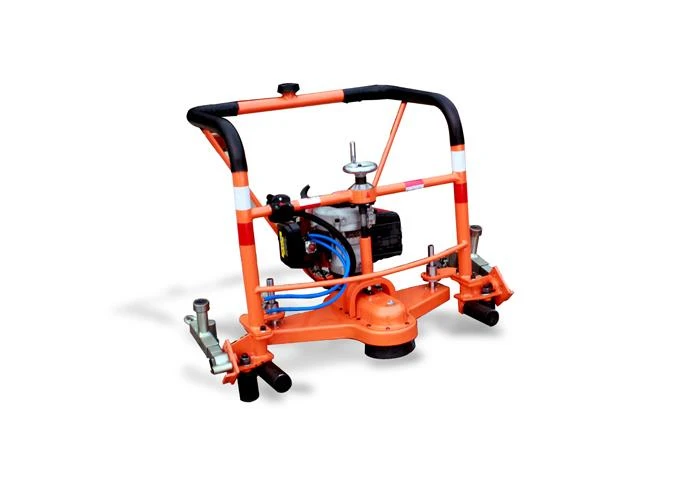
Operating Speed
The speed at which the rail grinder operates is another crucial factor. Higher operating speeds generally result in increased noise levels. When the grinding wheel rotates at a faster speed, it creates more impact and friction with the rail surface, generating louder noise.
Rail Condition
The condition of the rail itself can influence the noise levels. Rails with rough surfaces, cracks, or other defects may require more force to grind, which can lead to increased noise. On the other hand, well - maintained rails may produce less noise during the grinding process.
Importance of Noise Control
Worker Safety
Exposure to high noise levels can have detrimental effects on the health of workers. Prolonged exposure to noise above 85 dB can cause hearing loss, tinnitus (ringing in the ears), and other health problems. As a responsible supplier, we understand the importance of ensuring the safety of workers. That's why we strive to develop rail grinders with lower noise levels and provide appropriate personal protective equipment (PPE) such as earplugs and earmuffs.
Community Impact
Rail grinding operations often take place in or near populated areas. High noise levels from rail grinders can cause annoyance and disturbance to the local community. By reducing the noise levels of our rail grinders, we can minimize the impact on the surrounding environment and maintain good relationships with the community.
Regulatory Compliance
Many countries and regions have strict regulations regarding noise emissions from industrial equipment. Rail grinder manufacturers are required to comply with these regulations to ensure that their products can be legally used. By focusing on noise control, we can ensure that our rail grinders meet the necessary regulatory standards.
Our Approach to Noise Reduction
At our company, we are committed to developing rail grinders with low noise levels. We invest in research and development to improve the design of our machines and incorporate advanced noise - reduction technologies.
One of the ways we reduce noise is by using high - quality grinding wheels that are designed to minimize vibration and friction. We also optimize the operating parameters of our rail grinders to ensure that they operate at the most efficient and quietest speeds.
In addition, we have developed sound - proof enclosures for some of our rail grinders. These enclosures are made of special materials that can absorb and dampen the noise generated by the machine, reducing the noise levels significantly.
Comparing Noise Levels of Our Rail Grinders
Let's take a look at the noise levels of some of our popular rail grinders:
The Rail Top Side Surface Grinding Machine is designed for grinding the top and side surfaces of the rail. This machine has been engineered to operate at a relatively low noise level, typically around 85 dB. The use of a high - quality grinding wheel and advanced noise - reduction features contribute to its quiet operation.
The DGM - 2.2 I Internal Combustion Multi - functional Switch Rail Grinding Machine also has a noise level that is well within the acceptable range. Through continuous improvement in design and technology, we have managed to keep the noise levels of this machine below 90 dB, ensuring a safer and more comfortable working environment.
Conclusion
In conclusion, the noise levels of rail grinders are influenced by various factors such as the type of machine, grinding wheel, operating speed, and rail condition. As a rail grinder supplier, we recognize the importance of noise control for worker safety, community impact, and regulatory compliance.
We are dedicated to developing and supplying rail grinders with low noise levels through continuous research and development. Our commitment to innovation and quality ensures that our customers can enjoy the benefits of efficient rail grinding operations without being exposed to excessive noise.
If you are interested in our rail grinders or have any questions about noise levels and noise control, we encourage you to contact us for a detailed discussion. We are more than happy to assist you in finding the right rail grinder for your specific needs.
References
- "Industrial Noise Control and Acoustics" by Clarence E. Bies and Colin H. Hansen
- "Handbook of Noise Measurement" by GenRad Inc.