




What are the procedures for rail adjustment in summer?
 Jul 02, 2025|
 Hey there! As a supplier in the rail adjustment business, I've got a lot to share about the procedures for rail adjustment in summer. It's a crucial time of the year for maintaining and optimizing railway tracks, and I'm here to walk you through the ins and outs.
Why Summer Rail Adjustment is Important
Summer brings a whole set of challenges for railway tracks. The high temperatures can cause the rails to expand significantly. If not properly managed, this expansion can lead to all sorts of problems, like buckling, which is super dangerous for trains. That's why regular rail adjustment during summer is a must. It helps keep the tracks in good shape, ensuring safe and smooth train operations.
Pre - adjustment Inspection
Before we jump into the actual adjustment process, a thorough inspection is essential. We start by checking the rail alignment. This involves using specialized tools to measure the straightness of the rails. Any deviations from the ideal alignment can indicate potential issues. We also look at the rail joints. Loose or damaged joints can cause problems during expansion, so we make sure they're in good condition.
Another important aspect is the measurement of the rail temperature. In summer, the rail temperature can be much higher than the ambient air temperature. By knowing the exact rail temperature, we can calculate how much the rails are likely to expand and plan the adjustment accordingly. We use infrared thermometers or other temperature - measuring devices for this purpose.
Tools for Rail Adjustment
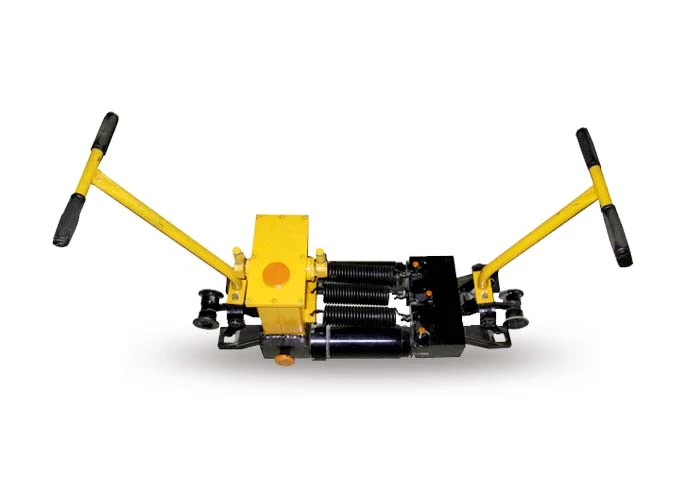
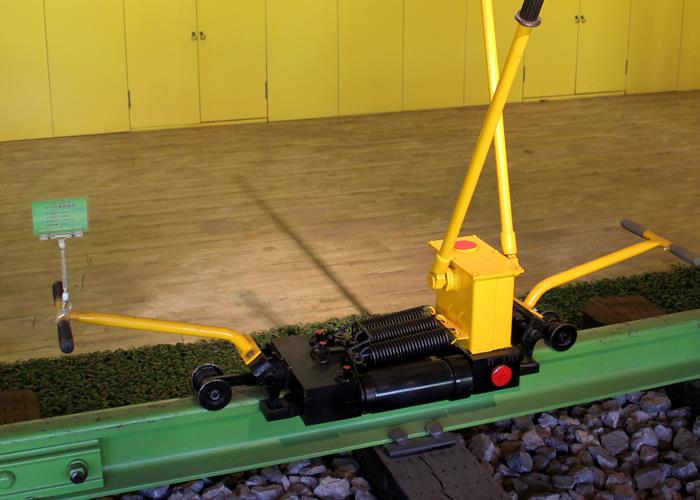
Now, let's talk about the tools we use. One of the key tools in our arsenal is the Bidirectional Rail Joint Gap Adjuster. This nifty device allows us to precisely adjust the gap between rail joints. It's designed to work in both directions, making it very versatile. Whether we need to increase or decrease the gap, this adjuster gets the job done.
The YLS 900I Hydraulic Rail Tensor is another important tool. It's used for stretching the rails. In summer, when the rails expand, we may need to stretch them to relieve the stress. The YLS 900I can apply a large amount of force, allowing us to adjust the length of the rails as needed.
The YTF 400 Hydraulic Rail Gap Adjuster is also quite handy. It's specifically designed to adjust the gap between the rails. With its hydraulic power, it can make quick and accurate adjustments, ensuring that the rail gaps are within the acceptable range.
The Rail Adjustment Process
Step 1: Setting Up the Work Area
First things first, we need to set up a safe work area. This involves putting up warning signs to alert train operators and other workers in the vicinity. We also make sure that all the necessary tools and equipment are ready and in good working condition.
Step 2: Measuring and Marking
We start by measuring the existing rail gaps and marking the areas that need adjustment. This helps us keep track of what needs to be done and ensures that we make accurate adjustments. We use measuring tapes and other precision tools for this step.
Step 3: Adjusting the Rail Joint Gaps
Using the Bidirectional Rail Joint Gap Adjuster, we start adjusting the gaps between the rail joints. We carefully follow the calculated values based on the rail temperature and expansion predictions. This step requires a lot of precision, as even a small error in the gap adjustment can lead to problems later on.
Step 4: Stretching the Rails (if necessary)
If the rails are under too much stress due to expansion, we use the YLS 900I Hydraulic Rail Tensor to stretch them. This process needs to be done slowly and carefully to avoid damaging the rails. We monitor the force applied and the length of the stretch to ensure that it's within the safe limits.
Step 5: Final Checks
After making all the adjustments, we conduct a final check. We re - measure the rail gaps and alignment to make sure everything is within the acceptable range. We also check the tightness of the rail joints and other components to ensure that the tracks are in a safe and stable condition.
Post - adjustment Maintenance
Once the rail adjustment is complete, proper maintenance is crucial. We need to regularly monitor the tracks during the rest of the summer. This includes checking the rail temperature, gaps, and alignment on a regular basis. If we notice any changes or potential issues, we can take corrective action immediately.
We also need to keep the tracks clean. Debris and dirt on the tracks can affect the performance of the rails and the adjustment. So, we use cleaning equipment to remove any unwanted materials from the tracks.
Conclusion
Summer rail adjustment is a complex but essential process for maintaining the safety and efficiency of railway tracks. By following the proper procedures and using the right tools, we can ensure that the tracks can withstand the challenges posed by high temperatures.
If you're in the market for reliable rail adjustment tools and services, don't hesitate to reach out. We've got the experience and the high - quality products to meet your needs. Whether you're a railway operator or involved in track maintenance, we can help you keep your tracks in top shape.
References
- Railway Track Maintenance Handbook
- Guidelines for Summer Rail Adjustment by Industry Standards