




What are the data collection and analysis functions of a modern railway tamper?
 Jul 01, 2025|
 In the realm of railway maintenance, modern railway tampers play a pivotal role in ensuring the safety, stability, and longevity of railway tracks. As a leading supplier of railway tampers, we understand the significance of data collection and analysis in optimizing the performance of these machines. This blog post delves into the data collection and analysis functions of a modern railway tamper, highlighting their importance and how they contribute to efficient railway maintenance.
Data Collection Functions of a Modern Railway Tamper
1. Track Geometry Data
One of the primary data collection functions of a modern railway tamper is to gather information about the track geometry. This includes measurements such as track gauge, alignment, and elevation. By using advanced sensors and measuring devices, the tamper can accurately assess the current state of the track and identify any deviations from the desired specifications. For example, sensors can detect if the track gauge is wider or narrower than the standard, which could indicate potential issues with the track structure or the presence of loose components.
2. Ballast Condition Data
The condition of the ballast is crucial for the proper functioning of the railway track. A modern railway tamper can collect data on the ballast, such as its density, gradation, and settlement. This information helps in determining the effectiveness of the tamping process and whether additional ballast needs to be added or the existing ballast needs to be re - distributed. For instance, if the ballast density is too low, it may not provide sufficient support for the sleepers, leading to track instability.
3. Machine Performance Data
To ensure optimal operation, the tamper also collects data on its own performance. This includes parameters such as the force applied during tamping, the vibration frequency, and the travel speed of the machine. Monitoring these data points allows operators to adjust the machine settings according to the specific requirements of the track section being worked on. For example, in areas with softer ballast, a lower tamping force may be required to avoid over - compaction.
4. Operational Data
Operational data such as the time spent on each tamping operation, the number of tamping cycles, and the overall working hours of the machine are also collected. This data is valuable for scheduling maintenance, estimating costs, and evaluating the productivity of the tamper. For example, if a particular section of the track requires an unusually high number of tamping cycles, it may indicate a more severe underlying problem that needs to be addressed.
Data Analysis Functions of a Modern Railway Tamper
1. Real - Time Analysis
Modern railway tampers are equipped with on - board computers that can perform real - time analysis of the collected data. For example, the track geometry data can be analyzed immediately to determine if the tamping process is bringing the track back to the desired specifications. If any deviations are detected during the tamping operation, the machine can automatically adjust its settings to correct the issue. This real - time feedback loop ensures that the tamping process is efficient and accurate.
2. Trend Analysis
By analyzing historical data, operators can identify trends in track conditions and machine performance. For example, if there is a gradual increase in the number of tamping cycles required for a particular track section over time, it may indicate that the ballast is deteriorating or that there are other long - term issues with the track structure. Trend analysis helps in predicting future maintenance needs and planning preventive maintenance activities.
3. Comparative Analysis
Comparative analysis involves comparing the data from different track sections or different tamping operations. This can help in identifying best practices and areas for improvement. For example, if one track section has a significantly better track geometry after tamping compared to another, the data can be analyzed to determine what factors contributed to the better result, such as machine settings, ballast type, or tamping technique.
4. Fault Diagnosis
Data analysis can also be used for fault diagnosis. By analyzing the machine performance data, the system can detect if there are any malfunctions or potential failures in the tamper. For example, if the vibration frequency suddenly drops or the tamping force is inconsistent, it may indicate a problem with the hydraulic system or the tamping tools. Early fault detection allows for timely repairs, minimizing downtime and reducing maintenance costs.
Importance of Data Collection and Analysis in Railway Maintenance
1. Enhanced Safety
Accurate data collection and analysis help in maintaining the safety of the railway tracks. By detecting track geometry deviations, ballast issues, and machine malfunctions early, potential safety hazards can be addressed before they cause accidents. For example, if a track gauge deviation is detected and corrected in time, it can prevent derailments.
2. Improved Efficiency
Data - driven decision - making allows for more efficient use of resources. By analyzing the data on track conditions and machine performance, operators can optimize the tamping process, reducing the time and effort required for maintenance. For example, by adjusting the machine settings based on real - time data, the tamping operation can be completed more quickly and with better results.
3. Cost Savings
Effective data collection and analysis can lead to significant cost savings. By predicting maintenance needs and scheduling preventive maintenance, the overall maintenance costs can be reduced. Additionally, by optimizing the tamping process, the consumption of materials such as ballast can be minimized.
4. Quality Assurance
Data analysis provides a way to ensure the quality of the tamping work. By comparing the actual track conditions after tamping with the desired specifications, operators can verify that the work meets the required standards. This helps in maintaining the long - term integrity of the railway tracks.
Our Railway Tamper Products and Their Data - Related Capabilities
As a railway tamper supplier, we offer a range of high - quality products that are equipped with advanced data collection and analysis functions.
The YD - 22 Hydraulic Rail Tamping Machine is a reliable and efficient machine that can collect comprehensive data on track geometry, ballast condition, and machine performance. Its on - board computer system allows for real - time analysis and adjustment of the tamping process, ensuring accurate and effective tamping.
The Rail Tamper Machine (also known as rail tamping machine) is designed to provide precise data collection and analysis capabilities. It can monitor the ballast settlement and density, as well as the machine's operational parameters, to optimize the tamping process and improve track stability.
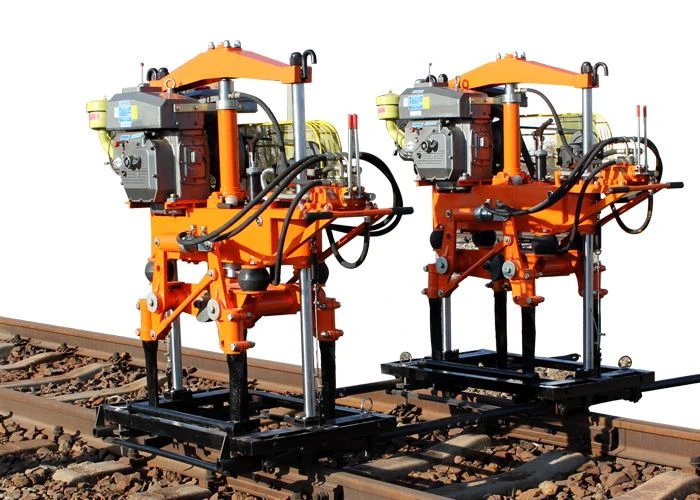
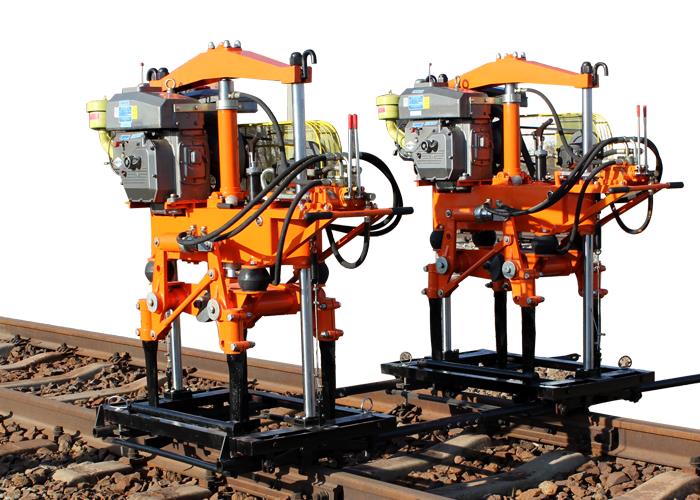
Our YD - 22III Automatic Remote Control Hydraulic Rail Tamping Machine takes data - related functions to the next level. With its advanced sensors and remote control capabilities, it can collect and analyze data in real - time, and operators can make adjustments from a distance, enhancing safety and efficiency.
Conclusion
In conclusion, the data collection and analysis functions of a modern railway tamper are essential for effective railway maintenance. These functions enable operators to make informed decisions, improve safety, enhance efficiency, and reduce costs. As a railway tamper supplier, we are committed to providing products that are at the forefront of technology, with advanced data - related capabilities. If you are interested in our railway tamper products or have any questions about data collection and analysis in railway maintenance, we invite you to contact us for procurement and further discussion. Our team of experts is ready to assist you in finding the best solutions for your railway maintenance needs.
References
- International Union of Railways (UIC). (20XX). Railway Track Maintenance Guidelines.
- Railway Engineering Handbook. (20XX). McGraw - Hill.
- Journal of Railway Research. Various issues on track maintenance and tamping technology.