




What are the productivity rates of a railroad tamper?
 Nov 04, 2025|
 As a supplier of railroad tampers, I've witnessed firsthand the critical role these machines play in maintaining and constructing railway tracks. The productivity rate of a railroad tamper is a multifaceted metric that encompasses various factors, from the type of machine and its design features to the working conditions and the skill of the operators. In this blog post, I'll delve into the key elements that influence the productivity rates of railroad tampers and how our products at [not provided] are engineered to optimize these rates.
Understanding Railroad Tampers
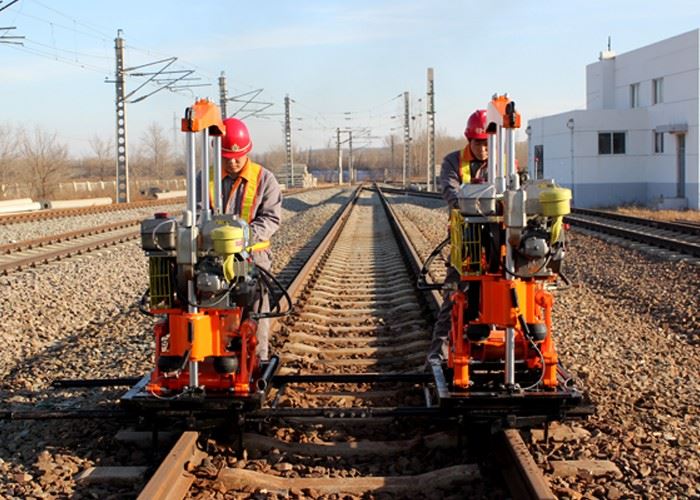
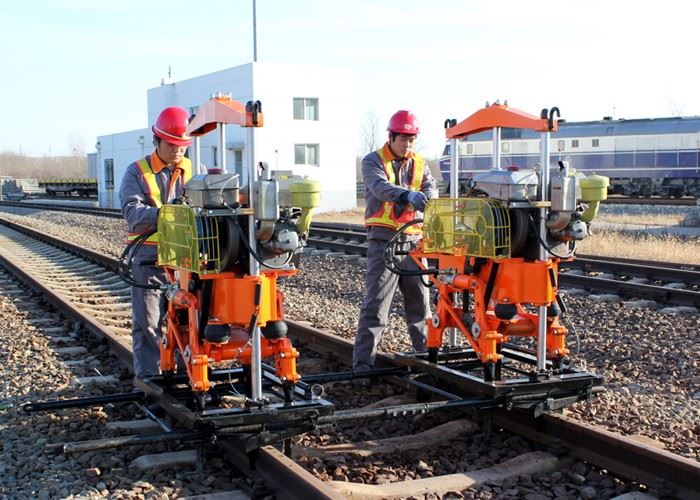
Before we dive into productivity rates, let's briefly understand what a railroad tamper is. A railroad tamper, also known as a track tamper or ballast tamper, is a specialized machine used to pack the ballast under railway tracks to ensure proper alignment and support for the rails. This process is crucial for maintaining track stability, reducing wear and tear on the tracks and rolling stock, and enhancing safety for passengers and cargo.
There are different types of railroad tampers available in the market, including Rail Tamper and Railroad Tamper. These machines vary in size, capacity, and functionality, each designed to meet specific requirements of different railway projects.
Factors Affecting Productivity Rates
Machine Design and Technology
The design and technology of a railroad tamper significantly impact its productivity rate. Modern tampers are equipped with advanced features such as hydraulic systems, automated controls, and precision tamping tools that allow for faster and more accurate tamping operations. For example, our Hydraulic Ballast Tamping Machine YD - 22 For Railway utilizes state - of - the - art hydraulic technology to provide powerful tamping force, enabling it to work on a variety of track conditions efficiently.
The number of tamping heads on a machine also plays a role. Machines with multiple tamping heads can work on multiple ties simultaneously, increasing the overall output. Some high - capacity tampers can have up to 20 or more tamping heads, allowing them to cover large sections of track in a short period.
Track Conditions
The condition of the railway track itself has a direct influence on the productivity rate of a railroad tamper. Tracks with hard or compacted ballast require more force and time to tamp effectively. In contrast, tracks with loose or fresh ballast can be tamped more quickly. Additionally, factors such as track curvature, gradient, and the presence of switches and crossings can slow down the tamping process. Tampers need to be adjusted accordingly to ensure proper tamping in these complex track sections.
Operator Skill and Training
The skill and training of the machine operators are crucial for achieving high productivity rates. Experienced operators are better able to handle the machine, adjust its settings based on the track conditions, and troubleshoot any issues that may arise during the operation. Proper training programs can enhance the operators' understanding of the machine's capabilities and limitations, enabling them to optimize the tamping process.
Maintenance and Downtime
Regular maintenance of the railroad tamper is essential to keep it operating at peak efficiency. A well - maintained machine is less likely to break down, reducing unplanned downtime. Scheduled maintenance tasks, such as lubrication, inspection of hydraulic systems, and replacement of worn - out parts, should be carried out according to the manufacturer's recommendations. By minimizing downtime, the machine can be in operation for more extended periods, increasing the overall productivity.
Measuring Productivity Rates
The productivity rate of a railroad tamper is typically measured in terms of the number of ties tamped per hour or the length of track tamped per day. This metric can vary widely depending on the factors mentioned above. On average, a medium - sized railroad tamper can tamp between 1,000 and 1,500 ties per hour under normal track conditions. Larger, more advanced machines can achieve even higher rates, sometimes exceeding 2,000 ties per hour.
When measuring productivity, it's also important to consider the quality of the tamping. A high productivity rate is only valuable if the tamping is done to the required standards. Poor - quality tamping can lead to issues such as track settlement and misalignment, which may require re - work and ultimately reduce the overall efficiency of the project.
Our Approach to Enhancing Productivity
As a supplier of railroad tampers, we are committed to providing products that offer high productivity rates. Our research and development team continuously works on improving the design and technology of our machines. We invest in the latest manufacturing techniques to ensure the reliability and durability of our products.
We also offer comprehensive training programs for operators to ensure they can make the most of our machines' capabilities. Our after - sales service includes regular maintenance support and the availability of spare parts, minimizing downtime and keeping the machines running smoothly.
Conclusion
The productivity rate of a railroad tamper is a complex metric influenced by machine design, track conditions, operator skill, and maintenance. By understanding these factors and taking appropriate measures, railway operators can maximize the efficiency of their tamping operations.
If you're in the market for a high - productivity railroad tamper, we invite you to explore our range of products, including the Rail Tamper, Railroad Tamper, and Hydraulic Ballast Tamping Machine YD - 22 For Railway. We're here to assist you in finding the right solution for your railway project. Contact us today to start a discussion about your specific requirements and discover how our railroad tampers can enhance your productivity.
References
- Railway Engineering Manual, various editions
- Technical reports on railroad tamper performance from industry research institutions.