




What are the quality control measures for a track tamper's work?
 Nov 28, 2025|
 As a supplier of track tampers, ensuring the quality of our products' work is of utmost importance. Track tampers play a crucial role in maintaining the stability and safety of railway tracks. In this blog, I will delve into the quality control measures for a track tamper's work, which are essential for delivering reliable and high - performance equipment to our customers.
1. Design and Engineering Quality Control
The first step in ensuring the quality of a track tamper's work starts with its design and engineering. Our team of experienced engineers conducts in - depth research and analysis to develop track tamper models that meet the highest industry standards.
- Conceptual Design: We begin by understanding the specific requirements of different railway projects. Whether it's a high - speed railway or a freight - heavy line, the design must be tailored to the track's characteristics. For example, the tamping force, frequency, and the shape of the tamping tools need to be optimized according to the ballast type and track gauge.
- Computer - Aided Design (CAD): Using advanced CAD software, we create detailed 3D models of the track tamper. This allows us to simulate its operation, analyze stress distribution, and identify potential design flaws before the physical prototype is built. We can also optimize the layout of components to ensure easy maintenance and repair.
- Material Selection: The choice of materials significantly impacts the performance and durability of the track tamper. We carefully select high - strength steel for the main structural parts, which can withstand the heavy loads and vibrations during operation. For the tamping tools, we use wear - resistant alloys to ensure a long service life.
2. Manufacturing Quality Control
Once the design is finalized, strict quality control measures are implemented during the manufacturing process.
- Raw Material Inspection: Before the production starts, all raw materials are inspected for their quality and compliance with the specified standards. This includes checking the chemical composition, mechanical properties, and dimensions of the steel, castings, and other components.
- Process Control: Each manufacturing process, such as machining, welding, and assembly, is closely monitored. For example, during machining, we use precision equipment to ensure the accuracy of the dimensions of the parts. Welding is carried out by certified welders, and non - destructive testing methods, such as ultrasonic testing and X - ray inspection, are used to detect any internal defects in the welds.
- Assembly Quality: During the assembly process, we follow a strict assembly sequence and torque specifications. Each component is carefully installed and aligned to ensure the proper functioning of the track tamper. After assembly, a comprehensive inspection is carried out to check for any loose connections, misalignments, or other potential issues.
3. Testing and Commissioning
After the manufacturing is completed, the track tamper undergoes a series of rigorous tests to ensure its performance and reliability.
- Static Testing: The track tamper is first subjected to static testing to check its structural integrity. This includes applying static loads to simulate the maximum operating conditions and measuring the deformation and stress of the main components.
- Dynamic Testing: Dynamic testing is carried out on a test track to evaluate the track tamper's performance under actual operating conditions. We measure parameters such as tamping force, tamping frequency, and the depth of penetration of the tamping tools. The track tamper is also tested for its speed, maneuverability, and stability.
- Function Testing: All the functions of the track tamper, such as the control system, hydraulic system, and electrical system, are thoroughly tested. We check for proper operation, response time, and the accuracy of the control signals. Any malfunctions or deviations from the design specifications are corrected before the track tamper is approved for delivery.
4. On - site Quality Assurance
Once the track tamper is delivered to the customer's site, our quality control efforts continue.
- Installation and Commissioning Support: Our technical team provides on - site installation and commissioning support to ensure that the track tamper is correctly installed and calibrated. We also train the customer's operators on the proper use and maintenance of the equipment.
- Periodic Inspections: We conduct periodic inspections of the track tamper during its operation. This includes checking the wear and tear of the components, the performance of the tamping tools, and the functionality of the control systems. Based on the inspection results, we provide maintenance recommendations and replace any worn - out parts in a timely manner.
- Customer Feedback: We value our customers' feedback and use it as an important source of information for continuous improvement. If the customer encounters any problems or has suggestions for improvement, we promptly address them and take appropriate measures to enhance the quality of our products and services.
5. Product - Specific Quality Considerations
In addition to the general quality control measures, different types of track tampers have their own specific quality requirements.
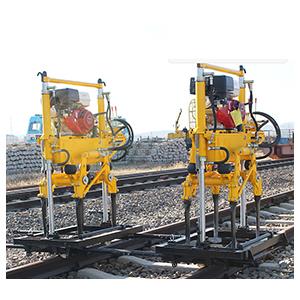
- YCD - 32 High Efficient Hydraulic Switch Tamping Machine with Petrol Engine: This type of tamping machine is designed for switch areas, which require more precise tamping. The quality control for this machine focuses on the accuracy of the tamping position, the adaptability to different switch geometries, and the reliability of the petrol engine.
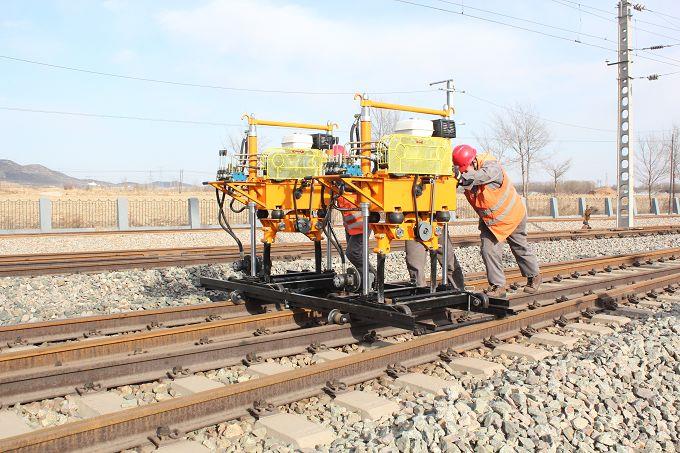
- Hydraulic Ballast Tamper Railway: For the hydraulic ballast tamper used in main railway lines, the key quality factors include the tamping force, the uniformity of ballast compaction, and the long - term stability of the hydraulic system.
- YD - 22 Hydraulic Rail Tamping Machine: This machine is often used for smaller - scale railway maintenance projects. Quality control for the YD - 22 emphasizes its portability, ease of operation, and the durability of the hydraulic components.
Conclusion
Quality control is a comprehensive and continuous process that encompasses every stage of a track tamper's life cycle, from design and manufacturing to on - site operation. By implementing strict quality control measures, we can ensure that our track tampers deliver high - quality work, improve the safety and stability of railway tracks, and meet the diverse needs of our customers.
If you are interested in our track tamper products or have any questions about quality control, please feel free to contact us for procurement discussions. We are committed to providing you with the best products and services.
References
- Railway Track Maintenance Handbook.
- Standards and Guidelines for Track Tamper Manufacturing and Operation.