




What are the regulations for rail vehicle operation?
 Sep 29, 2025|
 Hey there! As a supplier of rail vehicles, I've been in the thick of the industry for quite some time. One question that often pops up is, "What are the regulations for rail vehicle operation?" Well, let's dive right into it.
Safety Regulations
Safety is the name of the game when it comes to rail vehicle operation. First off, there are strict requirements for the braking systems. Rail vehicles need to have reliable brakes that can bring the vehicle to a stop within a specified distance. This is crucial to prevent collisions and ensure the safety of passengers and crew. For example, the DPC - 4 Battery Track Car we supply is equipped with state - of - the - art braking systems that meet all the safety standards.
Another important safety aspect is the lighting system. Rail vehicles must have proper headlights, taillights, and signal lights. These lights are essential for visibility, especially in low - light conditions or when the vehicle is moving through tunnels. The Battery Rail Trolley has a well - designed lighting system that makes it easily visible on the tracks.
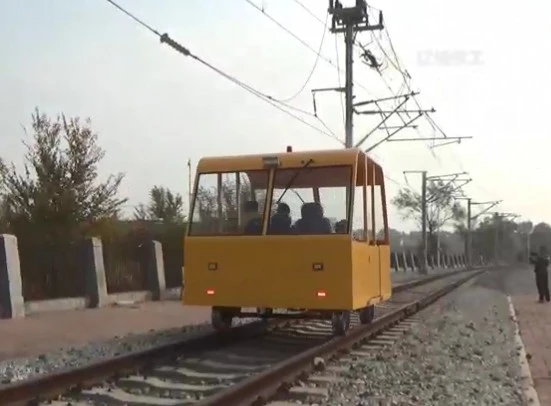
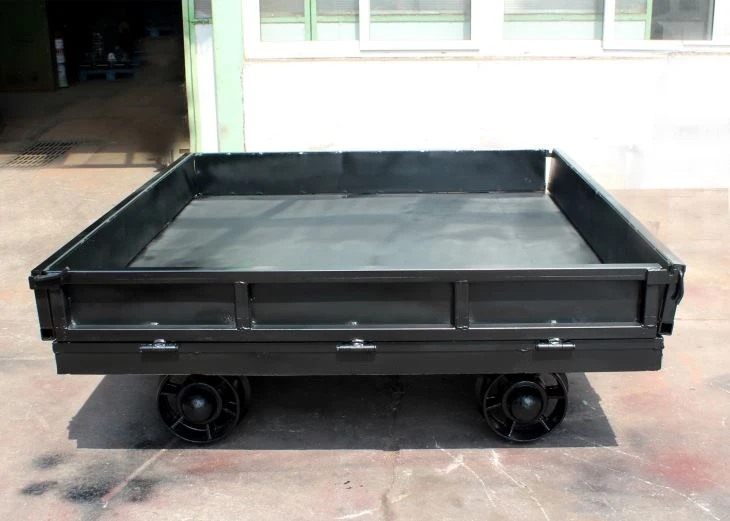
There are also regulations regarding the structural integrity of the rail vehicles. The frames, bodies, and other components need to be able to withstand the stresses of normal operation, as well as potential impacts. Regular inspections are carried out to ensure that the vehicles are in good condition. Our PC - 20 PC - 50 Railcar is built with high - quality materials and undergoes rigorous testing to meet these structural requirements.
Operational Regulations
In terms of operational regulations, there are rules about speed limits. Different sections of the rail network may have different speed restrictions depending on factors such as the track condition, curvature, and the presence of other traffic. Rail vehicle operators need to be aware of these speed limits and adhere to them at all times.
There are also regulations regarding the training and certification of operators. Operators must have the necessary skills and knowledge to operate the rail vehicles safely. They need to undergo regular training to stay updated on the latest safety procedures and operational techniques.
Communication is another key aspect of rail vehicle operation. There are regulations that require operators to maintain proper communication with the control center and other trains on the network. This helps to prevent accidents and ensure the smooth flow of traffic.
Environmental Regulations
With the growing concern for the environment, there are also regulations regarding the emissions of rail vehicles. Many modern rail vehicles are being designed to be more energy - efficient and produce fewer emissions. For example, our battery - powered rail vehicles, like the DPC - 4 Battery Track Car and Battery Rail Trolley, are a great option for those looking to reduce their environmental impact.
There are also regulations regarding the disposal of waste and the management of resources on board the rail vehicles. This includes things like proper waste collection and recycling systems.
Maintenance Regulations
Maintenance is a critical part of rail vehicle operation. There are regulations that require regular maintenance checks and servicing of the vehicles. This includes things like checking the engine, brakes, electrical systems, and other components. The frequency of maintenance depends on factors such as the type of vehicle, the mileage, and the operating conditions.
Records of maintenance activities need to be kept for a certain period of time. This helps to ensure that the vehicles are being properly maintained and can also be used for auditing purposes.
Regulatory Bodies
There are several regulatory bodies that oversee rail vehicle operation. These bodies are responsible for setting the regulations, enforcing them, and conducting inspections. Some of the well - known regulatory bodies include the Federal Railroad Administration (FRA) in the United States and the European Union Agency for Railways (ERA) in Europe.
How Our Rail Vehicles Comply
At our company, we take these regulations very seriously. All of our rail vehicles, including the DPC - 4 Battery Track Car, Battery Rail Trolley, and PC - 20 PC - 50 Railcar, are designed and manufactured to meet or exceed the relevant regulations.
We work closely with the regulatory bodies to ensure that our products are up - to - date with the latest requirements. Our team of engineers and technicians are constantly researching and developing new technologies to improve the safety, performance, and environmental friendliness of our rail vehicles.
Conclusion
In conclusion, the regulations for rail vehicle operation cover a wide range of aspects, including safety, operations, the environment, and maintenance. These regulations are in place to ensure the safety of passengers, crew, and the general public, as well as to protect the environment.
If you're in the market for high - quality rail vehicles that comply with all the regulations, look no further. Our range of rail vehicles, such as the DPC - 4 Battery Track Car, Battery Rail Trolley, and PC - 20 PC - 50 Railcar, are a great choice. Contact us today to start the procurement process and discuss your specific needs.
References
- Federal Railroad Administration (FRA) official documents
- European Union Agency for Railways (ERA) regulations
- Industry standards and best practices for rail vehicle operation