




What are the noise levels of China Track Car?
 Sep 29, 2025|
 As a prominent supplier of China Track Cars, I am often asked about the noise levels of our products. Noise is a crucial factor, especially in railway operations where it can impact not only the environment but also the well - being of workers and nearby residents. In this blog, I will delve into the noise levels of China Track Cars, exploring the factors that influence them and the measures we take to control and reduce noise.
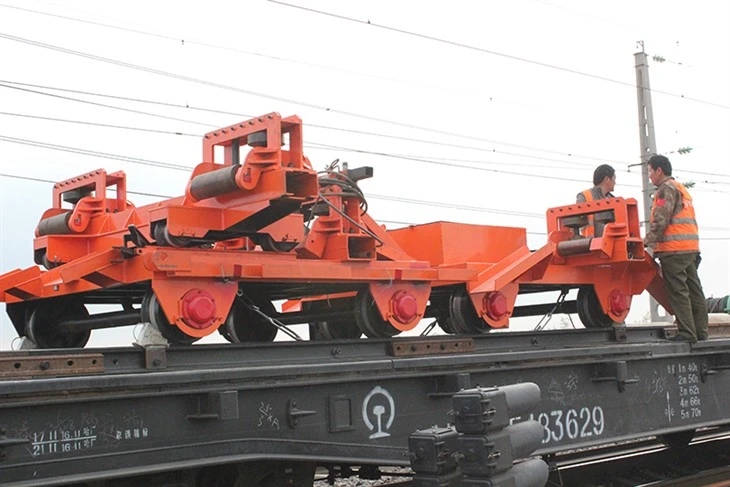

Understanding the Noise Sources in China Track Cars
China Track Cars come in a wide variety of types, each with its own set of noise - generating components. The primary sources of noise in these vehicles include the engine, transmission system, wheels rolling on the tracks, and the operation of auxiliary equipment.
The engine is one of the most significant noise sources. Diesel engines, commonly used in some track cars, produce a substantial amount of noise during combustion and operation. The high - pressure injection of fuel, the movement of pistons, and the exhaust system all contribute to the overall engine noise. Gasoline engines, although generally quieter than diesel engines, still generate a considerable amount of sound, especially at high speeds.
The transmission system also plays a role in noise production. Gear meshing, the movement of clutches, and the operation of differentials can all create mechanical noise. As the gears rotate and engage, they produce vibrations that are transmitted through the vehicle's structure and radiated as sound.
The interaction between the wheels and the tracks is another major source of noise. When the wheels roll on the tracks, there is friction and impact, which generate a characteristic "click - clack" sound. This noise can be affected by factors such as the track condition, wheel tread profile, and the speed of the vehicle. Rough or uneven tracks can increase the noise level, as can worn - out wheels.
Auxiliary equipment, such as hydraulic pumps, air compressors, and ventilation fans, also contribute to the overall noise level of the track car. These components are essential for the proper functioning of the vehicle but can generate significant noise during their operation.
Measuring the Noise Levels of China Track Cars
To accurately assess the noise levels of China Track Cars, we use standardized measurement methods. The most common unit of measurement for noise is the decibel (dB). A sound level meter is used to measure the sound pressure level at specific locations around the track car.
Measurements are typically taken in a controlled environment, such as a test track or a workshop. The sound level meter is placed at a certain distance from the track car, usually at a height of about 1.2 meters above the ground. Multiple measurements are taken at different operating conditions, such as idling, low - speed operation, and high - speed operation, to get a comprehensive understanding of the noise characteristics of the vehicle.
The noise levels of China Track Cars can vary depending on the type of vehicle and its application. For example, a small, manually - operated 500kg insulated alloy Rail Trolley By Manual is likely to produce less noise compared to a large, diesel - powered track maintenance vehicle.
Factors Affecting the Noise Levels
Several factors can influence the noise levels of China Track Cars. One of the most important factors is the design and construction of the vehicle. A well - designed track car with proper insulation and vibration - damping materials can significantly reduce noise transmission. For example, using sound - absorbing materials in the engine compartment can help to contain the engine noise and prevent it from spreading to the surrounding environment.
The type of engine and its operating conditions also have a major impact on noise levels. Modern engines are designed to be more fuel - efficient and quieter than older models. However, factors such as engine load, speed, and maintenance can still affect the noise output. An engine that is running at high load or is in need of maintenance may produce more noise than a well - maintained engine operating under normal conditions.
The track condition is another crucial factor. Smooth and well - maintained tracks can reduce the noise generated by the wheels rolling on them. On the other hand, tracks with defects such as cracks, uneven surfaces, or loose fasteners can increase the noise level. Regular track inspection and maintenance are essential to ensure that the tracks are in good condition and to minimize the noise generated by the track cars.
The speed of the track car is also directly related to the noise level. As the speed increases, the noise level generally increases as well. This is because the friction and impact between the wheels and the tracks become more intense at higher speeds, and the engine also has to work harder to maintain the speed.
Noise Reduction Measures
At our company, we are committed to reducing the noise levels of our China Track Cars. We employ a variety of noise reduction measures in the design and manufacturing process.
In terms of engine design, we use advanced technologies such as noise - reducing exhaust systems and engine insulation. The exhaust system is designed to minimize the noise produced by the expulsion of exhaust gases. Special mufflers and resonators are used to absorb and cancel out the noise waves. Engine insulation materials are used to wrap the engine and reduce the transmission of noise to the outside.
For the transmission system, we use high - quality gears and bearings that are designed to reduce noise. The gear profiles are optimized to ensure smooth meshing and minimize the vibrations and noise generated during operation. Additionally, we use lubricants that have good anti - noise properties to further reduce the mechanical noise.
To reduce the noise generated by the wheels and tracks, we focus on improving the wheel tread profile and ensuring proper track maintenance. Our track cars are equipped with wheels that have a well - designed tread pattern to minimize the friction and impact with the tracks. We also work closely with railway operators to ensure that the tracks are regularly inspected and maintained to keep them in good condition.
For auxiliary equipment, we use noise - reducing enclosures and vibration - damping mounts. The enclosures are made of sound - absorbing materials to contain the noise generated by the equipment, while the vibration - damping mounts help to reduce the transmission of vibrations to the vehicle's structure.
Examples of Our Low - Noise Track Cars
One of our popular products, the DPC - 4 Battery Track Car, is designed with noise reduction in mind. This battery - powered track car is much quieter than its diesel - powered counterparts. The electric motor produces less noise during operation, and the overall design of the vehicle is optimized to minimize the transmission of noise.
Our Railway rail track laying equipment machine train track replacement machines track renewal machine is another example of a low - noise track car. These machines are used for track maintenance and renewal operations, and they are equipped with advanced noise reduction technologies to minimize the impact on the surrounding environment.
Conclusion and Invitation to Contact
In conclusion, the noise levels of China Track Cars are influenced by a variety of factors, including the engine, transmission system, wheels, and auxiliary equipment. At our company, we are dedicated to developing and manufacturing track cars with low noise levels. Through advanced design, high - quality materials, and strict quality control, we ensure that our track cars meet the highest standards of noise reduction.
If you are interested in our China Track Cars and would like to discuss your specific requirements, we encourage you to contact us for a procurement consultation. We are confident that our products will meet your needs in terms of performance, reliability, and noise reduction.
References
- "Handbook of Noise Control" by Cyril M. Harris
- "Railway Noise and Vibration: Mechanisms, Modelling and Means of Control" by David Thompson and Simon Grassie