




What are the standards for the cutting quality of a Track Cutter?
 Sep 09, 2025|
 Hey there! As a supplier of track cutters, I've been in the thick of the railway equipment game for quite some time. One question that comes up a lot is, "What are the standards for the cutting quality of a track cutter?" Well, let's dive right in and break it down.
First off, accuracy is king. When it comes to cutting tracks, precision is non - negotiable. The cut needs to be straight as an arrow. Even the slightest deviation can lead to major problems down the line. For instance, if the cut isn't straight, it can cause misalignment when the tracks are joined. This misalignment can result in uneven wear on the train wheels and the tracks themselves, leading to costly repairs and maintenance. A high - quality track cutter should be able to achieve a straight cut within a very tight tolerance, usually within a few millimeters over the length of the cut.
Another crucial aspect is the smoothness of the cut. A rough cut can have sharp edges and burrs. These sharp edges can not only pose a safety risk to workers during installation but also cause premature wear on the connecting components. When the tracks are joined, a smooth cut surface ensures a better fit and a more secure connection. It also helps in reducing the noise and vibration that occurs when trains pass over the joints. To achieve a smooth cut, the track cutter needs to have the right blade and cutting speed. A dull blade or an improper cutting speed can result in a rough and uneven cut.
The width of the cut is also an important factor. The width should be consistent throughout the entire length of the cut. Inconsistent cut widths can make it difficult to connect the tracks properly. If the cut is too wide in some areas and too narrow in others, it can lead to gaps or overlaps at the joints. This can affect the stability and integrity of the track system. A good track cutter should be able to maintain a uniform cut width, which is typically specified based on the type of track and the application.
In addition to these physical characteristics of the cut, the heat - affected zone (HAZ) is another standard to consider. During the cutting process, heat is generated, and this can change the properties of the metal in the area around the cut. A large HAZ can weaken the track, making it more prone to cracking and other forms of damage. A high - quality track cutter should minimize the HAZ. This can be achieved through proper cooling systems and the use of advanced cutting technologies. For example, some modern track cutters use water - cooled blades or laser - based cutting methods to reduce the heat generated during cutting.
Now, let's talk about how our track cutters stack up against these standards. We've spent a lot of time and resources in research and development to ensure that our products meet and exceed these quality standards. Our track cutters are equipped with high - precision blades that are designed to make straight and smooth cuts. We also have advanced control systems that allow us to maintain a consistent cut width and minimize the heat - affected zone.
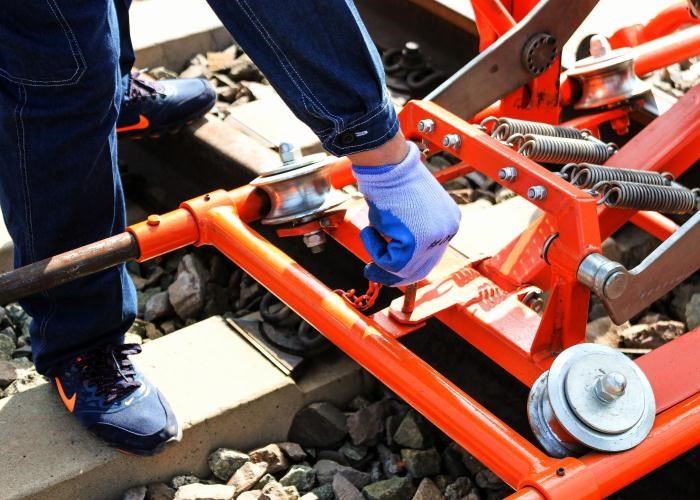
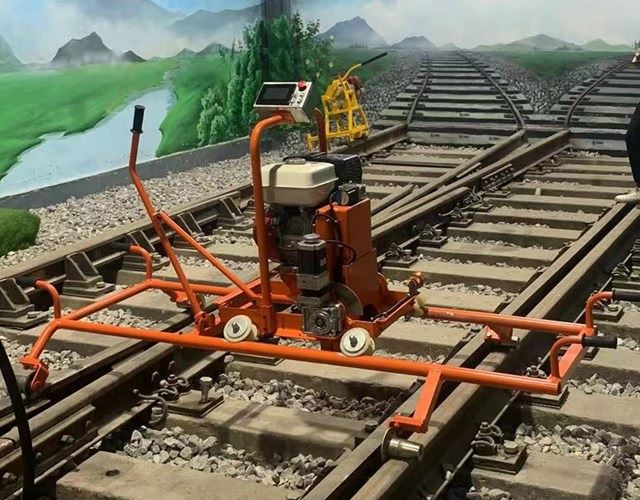
If you're in the market for a track cutter, you might also be interested in some of our other railway equipment. Check out our NCM - 4II Turnout Grinding Machine, which is great for grinding turnouts and ensuring a smooth surface. Our Automatic Hydraulic Rail Fat Edge Grinding Machine is another excellent option for grinding the fat edges of rails. And for those who need fine - grinding capabilities, our Railway Switch Digital Grinding Machine Rail Fat Edge Grinder Fine Grinding is a top - notch choice.
We understand that every railway project is unique, and that's why we offer customizable solutions. Whether you need a track cutter for a small - scale maintenance project or a large - scale railway construction, we can work with you to find the right equipment. Our team of experts is always on hand to provide technical support and advice.
If you're interested in learning more about our track cutters or any of our other railway equipment, don't hesitate to reach out. We're eager to have a chat with you about your specific needs and how we can help you achieve the best results for your railway projects. Whether it's a simple question or a full - blown procurement discussion, we're here for you.
References:
- Railway Engineering Handbook
- Standards and Guidelines for Railway Track Construction and Maintenance