




What are the working principles of the grinding wheels in a Rail Grinder?
 Nov 07, 2025|
 Hey there! As a supplier of Rail Grinders, I often get asked about the working principles of the grinding wheels in these machines. So, I thought I'd take a moment to break it down for you.
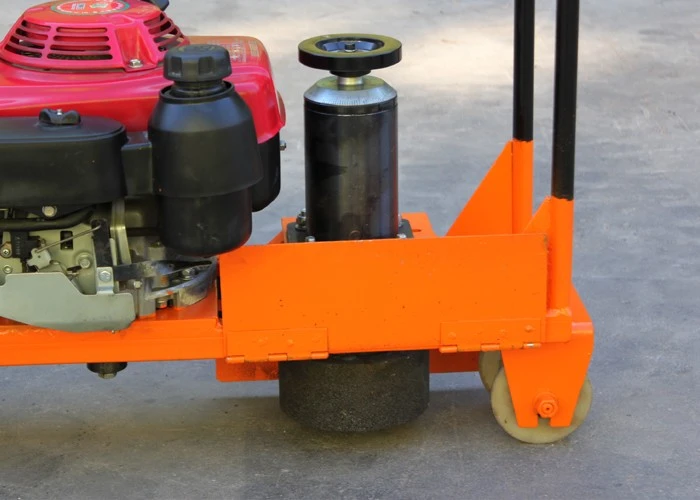
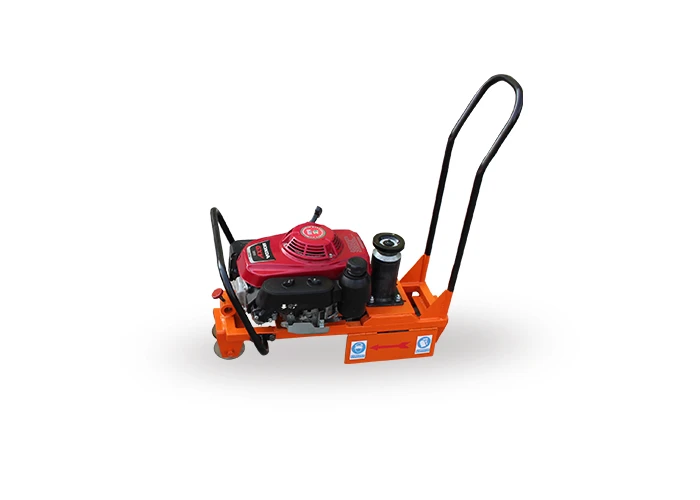
First off, let's talk about what a rail grinder is. It's a specialized machine used to maintain and repair railway tracks. Over time, rails can develop various issues like surface cracks, corrugation, and uneven wear. That's where the rail grinder comes in, and the grinding wheels are its star players.
How Grinding Wheels Work in a Rail Grinder
The basic idea behind the grinding wheels in a rail grinder is to remove a thin layer of material from the surface of the rail. This helps to smooth out any irregularities, improve the rail's surface finish, and extend its lifespan.
1. Abrasive Action
The grinding wheels are made up of abrasive grains that are bonded together. These abrasive grains are what actually do the cutting. When the grinding wheel rotates at high speed and comes into contact with the rail surface, the abrasive grains act like tiny cutting tools. They dig into the rail material, breaking off small chips.
The type of abrasive used in the grinding wheel is crucial. Common abrasives include aluminum oxide, silicon carbide, and cubic boron nitride (CBN). Each has its own properties. For example, aluminum oxide is a popular choice because it's relatively inexpensive and works well on a variety of materials, including steel, which is what most rails are made of. Silicon carbide, on the other hand, is harder and is better suited for grinding harder materials or when a finer finish is required. CBN is extremely hard and is often used for high - precision grinding jobs.
2. Bonding
The abrasive grains need to be held together in a specific shape and structure, and that's where the bonding comes in. The bond is a material that holds the abrasive grains in place while allowing them to break off and be replaced as they wear down. There are different types of bonds, such as vitrified bonds, resin bonds, and metal bonds.
Vitrified bonds are made from glass - like materials. They are very strong and can withstand high temperatures. This makes them suitable for high - speed grinding operations. Resin bonds are more flexible and are often used when a softer touch is needed or when the grinding wheel needs to conform to the shape of the rail. Metal bonds are used in applications where high wear resistance is required, such as in some heavy - duty rail grinding operations.
3. Rotational Speed
The rotational speed of the grinding wheel is another important factor. A higher rotational speed generally means more cutting action, but it also generates more heat. Too much heat can damage the rail and the grinding wheel. So, the speed needs to be carefully controlled. Modern rail grinders are equipped with speed control systems that can adjust the rotational speed of the grinding wheels based on the type of rail, the condition of the surface, and the desired finish.
4. Pressure and Feed Rate
The pressure applied by the grinding wheel on the rail and the feed rate (how fast the grinding wheel moves along the rail) also play a significant role. If the pressure is too high, it can cause excessive wear on the grinding wheel and may even damage the rail. If the feed rate is too fast, the grinding wheel may not have enough time to remove the material properly, resulting in a poor surface finish. On the other hand, if the feed rate is too slow, it can be time - consuming and may generate too much heat.
Applications and Benefits
Rail grinders with their well - functioning grinding wheels have several important applications.
1. Surface Repair
As mentioned earlier, they can repair surface cracks and corrugation on the rails. Cracks can propagate over time, leading to rail failures, which can be extremely dangerous. By removing the cracked layer, the risk of failure is significantly reduced. Corrugation, which is a wavy pattern on the rail surface, can cause excessive noise, vibration, and wear on the train wheels. Grinding the rails can smooth out this corrugation, improving the ride quality and reducing maintenance costs for both the rails and the trains.
2. Rail Profile Restoration
Rails have a specific profile that is designed to ensure proper contact with the train wheels. Over time, this profile can change due to wear. The grinding wheels in a rail grinder can restore the correct rail profile, which helps to improve the stability and safety of the trains.
3. Scale Removal
Rails can develop a layer of scale over time, which can affect their performance. You can learn more about why it's important to descale rails in this article: Do You Know Why You Need To Descale Rails?. The grinding wheels can effectively remove this scale, exposing a clean and smooth rail surface.
Different Types of Grinding Wheels for Rail Grinders
There are different types of grinding wheels used in rail grinders, depending on the specific application.
1. Straight Wheels
Straight wheels are the most common type. They have a flat face and are used for general grinding operations on the top and sides of the rails. They are simple in design and are easy to manufacture and replace.
2. Tapered Wheels
Tapered wheels have a tapered shape. They are often used for grinding the corners and edges of the rails. The tapered shape allows for better access to these hard - to - reach areas and can provide a more precise finish.
3. Dish Wheels
Dish wheels have a dish - like shape. They are used for specialized grinding operations, such as grinding the head of the rail. The dish shape allows the wheel to conform to the curvature of the rail head, providing a more even grind.
Our Rail Grinder Products
We offer a range of rail grinders equipped with high - quality grinding wheels. For example, our Rail Drill Grinding Machine is designed to provide precise grinding for rail drills. It uses advanced grinding wheel technology to ensure a smooth and accurate finish.
Another great product is our NCM - 4II Switch Grinding And Deburring Machine. This machine is specifically designed for grinding and deburring switches, which are critical components of the railway system. The grinding wheels in this machine are carefully selected to ensure optimal performance and a long service life.
Conclusion
The working principles of the grinding wheels in a rail grinder are based on abrasive action, bonding, rotational speed, pressure, and feed rate. These factors all work together to ensure that the grinding wheels can effectively remove material from the rail surface, improving its quality and longevity.
If you're in the market for a rail grinder or have any questions about our products, don't hesitate to reach out. We're here to help you find the best solution for your rail maintenance needs. Whether you're a railway operator, a maintenance contractor, or someone involved in the railway industry, our rail grinders can make a significant difference in the performance and safety of your tracks.
References
- "Handbook of Abrasive Technology" by G. Byrne et al.
- "Grinding Technology: Theory and Applications of Machining with Abrasives" by S. Malkin