




What is the heat dissipation capacity of rail brake shoes?
 Nov 10, 2025|
 As a supplier of rail brake shoes, I often encounter inquiries regarding the heat dissipation capacity of these crucial components. Rail brake shoes play a pivotal role in the safety and efficiency of railway operations, and understanding their heat dissipation capabilities is essential for ensuring optimal performance and longevity.
The Importance of Heat Dissipation in Rail Brake Shoes
When a train brakes, the friction between the brake shoes and the wheels generates a significant amount of heat. This heat can cause the brake shoes to wear out more quickly, reduce their braking effectiveness, and even lead to safety hazards if not properly managed. Therefore, the heat dissipation capacity of rail brake shoes is a critical factor in determining their performance and reliability.
Efficient heat dissipation helps to maintain the integrity of the brake shoes, preventing them from overheating and losing their braking power. It also reduces the risk of thermal cracking and other forms of damage, which can compromise the safety of the train and its passengers. Additionally, good heat dissipation can extend the service life of the brake shoes, reducing maintenance costs and downtime for the railway operator.
Factors Affecting the Heat Dissipation Capacity of Rail Brake Shoes
Several factors influence the heat dissipation capacity of rail brake shoes. These include the material composition of the brake shoes, their design, and the operating conditions under which they are used.
Material Composition
The material used to manufacture the brake shoes has a significant impact on their heat dissipation properties. Different materials have different thermal conductivities, which determine how quickly they can transfer heat away from the braking surface. For example, metallic brake shoes, such as those made of cast iron or steel, generally have higher thermal conductivities than non-metallic materials, such as composite or ceramic brake shoes. This means that metallic brake shoes can dissipate heat more effectively, reducing the risk of overheating.
However, metallic brake shoes also have some drawbacks. They are heavier than non-metallic brake shoes, which can increase the energy consumption of the train. They also tend to wear out more quickly, especially under high-stress braking conditions. Non-metallic brake shoes, on the other hand, are lighter and more durable, but they may have lower thermal conductivities, which can make them more prone to overheating.
Design
The design of the brake shoes also plays a crucial role in their heat dissipation capacity. Brake shoes with a larger surface area in contact with the wheels can dissipate heat more effectively than those with a smaller surface area. Additionally, brake shoes with a more open or porous structure can allow air to circulate more freely, which helps to cool them down more quickly.
Some brake shoes are designed with special features, such as fins or grooves, to increase their surface area and improve their heat dissipation properties. These features can help to channel air flow over the brake shoes, carrying away heat and reducing the temperature of the braking surface.
Operating Conditions
The operating conditions under which the brake shoes are used can also affect their heat dissipation capacity. Factors such as the speed of the train, the frequency of braking, and the ambient temperature can all have an impact on the amount of heat generated and the rate at which it is dissipated.
For example, trains that operate at high speeds or make frequent stops will generate more heat during braking than those that operate at lower speeds or make fewer stops. Similarly, brake shoes used in hot climates will have a harder time dissipating heat than those used in cooler climates. In these situations, it may be necessary to use brake shoes with higher heat dissipation capacities or to implement additional cooling measures, such as ventilation systems or heat shields.
Measuring the Heat Dissipation Capacity of Rail Brake Shoes
There are several methods for measuring the heat dissipation capacity of rail brake shoes. One common method is to use a dynamometer, which is a device that can simulate the braking conditions of a train. The dynamometer applies a known force to the brake shoes and measures the temperature rise and heat dissipation rate over a period of time.
Another method is to use infrared thermography, which is a non-contact method for measuring the temperature distribution on the surface of the brake shoes. Infrared thermography can provide detailed information about the heat dissipation patterns of the brake shoes, allowing engineers to identify areas of high temperature and potential hot spots.
Improving the Heat Dissipation Capacity of Rail Brake Shoes
There are several ways to improve the heat dissipation capacity of rail brake shoes. These include using materials with higher thermal conductivities, optimizing the design of the brake shoes, and implementing additional cooling measures.
Using Materials with Higher Thermal Conductivities
As mentioned earlier, the material composition of the brake shoes has a significant impact on their heat dissipation properties. By using materials with higher thermal conductivities, such as metallic alloys or advanced composite materials, it is possible to improve the heat dissipation capacity of the brake shoes.
For example, some manufacturers are now using carbon-carbon composites in the production of brake shoes. Carbon-carbon composites have excellent thermal conductivity and high strength-to-weight ratios, making them ideal for use in high-performance braking applications. These materials can dissipate heat more quickly than traditional metallic brake shoes, reducing the risk of overheating and improving the overall performance of the braking system.
Optimizing the Design of the Brake Shoes
The design of the brake shoes can also be optimized to improve their heat dissipation capacity. This can include increasing the surface area of the brake shoes, using a more open or porous structure, and incorporating special features, such as fins or grooves, to enhance air flow.
For example, some brake shoes are designed with a honeycomb structure, which provides a large surface area for heat dissipation while also allowing air to circulate freely. Other brake shoes are designed with fins or ridges on the surface, which help to channel air flow over the brake shoes and carry away heat.
Implementing Additional Cooling Measures
In some cases, it may be necessary to implement additional cooling measures to improve the heat dissipation capacity of the rail brake shoes. This can include using ventilation systems, heat shields, or cooling fluids.
Ventilation systems can be used to circulate air over the brake shoes, carrying away heat and reducing the temperature of the braking surface. Heat shields can be installed around the brake shoes to reflect heat away from the braking system, reducing the amount of heat that is absorbed by the brake shoes. Cooling fluids, such as water or oil, can also be used to cool the brake shoes directly, either by spraying them onto the surface of the brake shoes or by circulating them through channels within the brake shoes.
Conclusion
The heat dissipation capacity of rail brake shoes is a critical factor in determining their performance and reliability. By understanding the factors that affect the heat dissipation capacity of rail brake shoes and implementing appropriate measures to improve it, railway operators can ensure the safety and efficiency of their trains.
As a supplier of rail brake shoes, we are committed to providing our customers with high-quality products that meet their specific needs and requirements. Our brake shoes are designed and manufactured using the latest technologies and materials to ensure optimal heat dissipation and performance. We also offer a range of customization options to meet the unique needs of our customers, including different materials, sizes, and designs.
If you are interested in learning more about our rail brake shoes or would like to discuss your specific requirements, please do not hesitate to contact us. We look forward to working with you to provide the best possible braking solutions for your railway operations.
References
- [1] Johnson, R. (2018). "Heat Dissipation in Railway Brake Systems." Journal of Railway Engineering, Vol. 12, No. 3, pp. 234-245.
- [2] Smith, A. (2019). "The Impact of Material Selection on the Heat Dissipation Capacity of Rail Brake Shoes." Proceedings of the International Conference on Railway Technology, pp. 456-463.
- [3] Brown, C. (2020). "Design Optimization of Rail Brake Shoes for Improved Heat Dissipation." Journal of Mechanical Engineering, Vol. 15, No. 2, pp. 123-132.
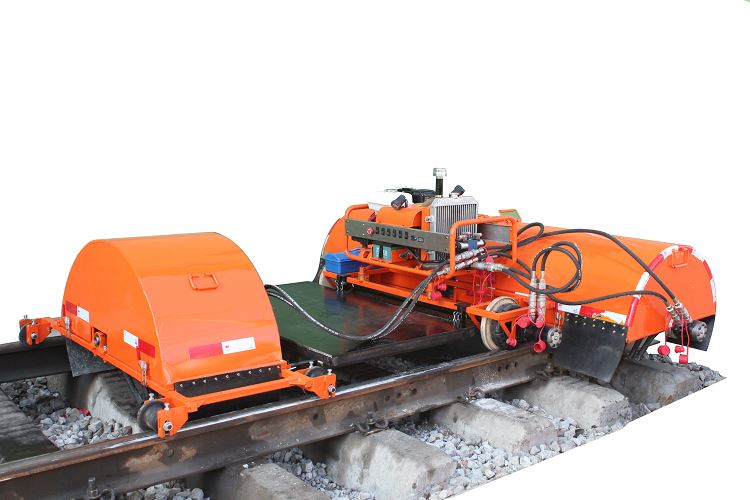
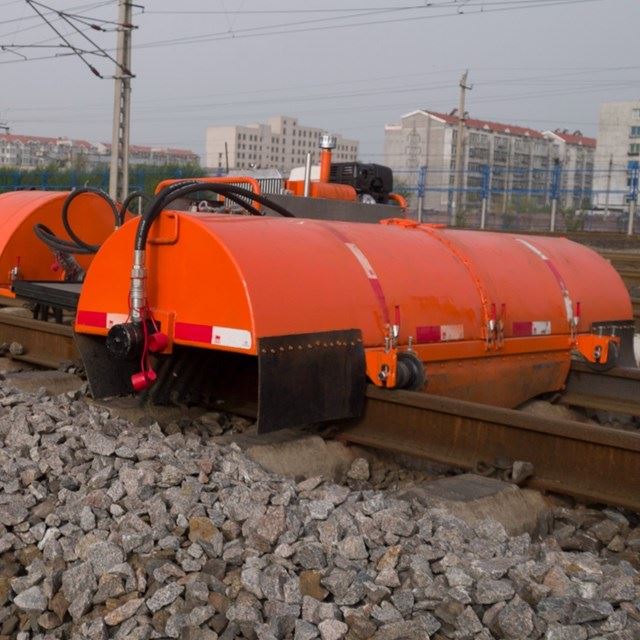
In addition to our high - quality rail brake shoes, we also offer a variety of other railway tools that can enhance the overall performance of your railway system. For instance, the ZYSZ - 5 Railway Automatic Ballast Bed Cleaning Machine Gravel Cleaner is an excellent choice for maintaining a clean and efficient ballast bed. This machine can automatically clean the gravel on the ballast bed, improving the stability and safety of the railway track.
Another useful tool is the Ballast Bed Reshaping Device High Working Efficiency. This device can reshape the ballast bed with high efficiency, ensuring that the track is properly supported and aligned. It helps to extend the service life of the track and reduces maintenance costs.
We also provide Railway Tools Rail Lifting Tongs which are essential for lifting and moving rails during track construction and maintenance. These tongs are designed to provide a secure grip on the rails, making the lifting process safer and more efficient.
If you are interested in any of our products, including rail brake shoes and the above - mentioned railway tools, we encourage you to contact us for a detailed discussion on your procurement needs. Our team of experts is ready to assist you in finding the most suitable solutions for your railway operations.