




What is the best Rust Remover for rust in pipes?
 Aug 05, 2025|
 Rust in pipes can be a real headache. It not only affects the appearance of the pipes but also can lead to serious problems like reduced water flow, leaks, and even structural damage over time. As a rust remover supplier, I've seen firsthand the importance of finding the best rust remover for pipes. In this blog, I'll share some insights on what makes a great rust remover and recommend some top - notch products.
Understanding Rust in Pipes
Before we dive into the best rust removers, let's quickly understand what causes rust in pipes. Rust is basically the oxidation of iron or steel, which happens when these metals come into contact with oxygen and moisture. In pipes, especially those that carry water, the constant presence of water provides the moisture needed for rust to form.
The type of rust can vary. There's the loose, flaky rust that comes off easily, and then there's the more stubborn, deep - seated rust that has penetrated the metal surface. The severity of the rust problem will determine the kind of rust remover you need.
Factors to Consider When Choosing a Rust Remover for Pipes
- Effectiveness: This is a no - brainer. The rust remover should be able to break down and remove rust effectively. It should work on both light surface rust and heavy, long - standing rust.
- Safety: Since pipes are often used for carrying water that we might consume, the rust remover should be safe. It shouldn't leave behind any harmful residues that could contaminate the water supply.
- Compatibility: The rust remover needs to be compatible with the type of pipe material. For example, some chemicals might be too harsh for plastic pipes and could cause damage.
- Ease of Use: A good rust remover should be easy to apply. Whether it's a liquid that you can pour into the pipes or a spray that you can use on accessible parts of the pipes, it should be user - friendly.
Types of Rust Removers
- Chemical Rust Removers: These are probably the most common type. They work by using chemicals to dissolve the rust. Some chemical rust removers are acid - based, while others are more neutral. Acid - based rust removers are usually more powerful but can be more dangerous to handle. They can also be corrosive to some pipe materials if not used correctly.
- Mechanical Rust Removers: These involve physically scraping or brushing off the rust. Tools like wire brushes or sandpaper can be used for this purpose. While mechanical rust removers can be effective for surface rust, they might not be able to reach deep - seated rust inside pipes.
- Electrolytic Rust Removers: This method uses an electrical current to remove rust. It's a bit more technical but can be very effective for stubborn rust. However, it requires some equipment and knowledge to set up properly.
Recommended Rust Removers
Now, let's talk about some of the best rust removers for pipes that we supply.
Our Chemical Rust Remover
Our chemical rust remover is a game - changer. It's formulated to be highly effective against all types of rust, from light surface rust to heavy, caked - on rust. The formula is carefully balanced to be safe for most pipe materials, including metal and plastic. It's also designed to leave no harmful residues, so it's perfect for pipes that carry drinking water.
One of the great things about our chemical rust remover is its ease of use. You can simply pour it into the pipes, let it sit for a while, and then flush it out. The rust will dissolve and come out with the water. It's that simple!
Mechanical Rust Removal Tools
We also offer a range of mechanical rust removal tools. For example, our DM - 1.1 Electric Rail Ends Grinding Machine is a powerful tool that can be used to remove rust from the ends of pipes. It's electric - powered, so it's easy to operate and can quickly get rid of surface rust.

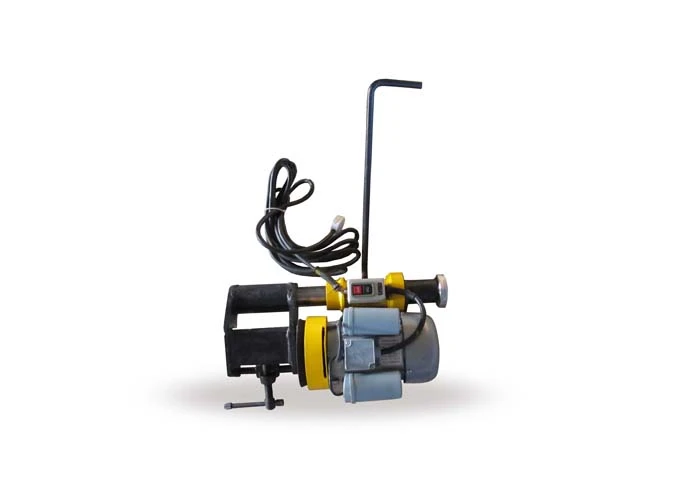
Another great option is our Eelctric Profile Rail Grinding Machine Motor Rail Grinder. This grinder is perfect for removing rust from the inner and outer surfaces of pipes. It's designed to be precise and can reach areas that are difficult to access.
Electrolytic Rust Removal Solution
For those really tough rust problems, our electrolytic rust removal solution is a great choice. It comes with all the necessary components to set up an electrolytic rust removal system. It's a bit more involved than using a chemical or mechanical rust remover, but it can be very effective for deep - seated rust.
Our XGM - 2.2×2 Factory Direct Sales Electric Rail Deruster is a part of this system. It provides the electrical current needed to break down the rust. It's a reliable and efficient way to deal with stubborn rust in pipes.
How to Use Our Rust Removers
- Chemical Rust Remover: First, shut off the water supply to the pipes. Then, pour the recommended amount of the chemical rust remover into the pipes. Let it sit for the specified time (usually a few hours or overnight for heavy rust). After that, flush the pipes thoroughly with clean water.
- Mechanical Rust Removal Tools: For tools like the DM - 1.1 Electric Rail Ends Grinding Machine or the Eelctric Profile Rail Grinding Machine Motor Rail Grinder, make sure the pipes are dry and clean. Then, carefully use the tool to remove the rust. You might need to wear protective gear like gloves and goggles.
- Electrolytic Rust Removal Solution: Set up the electrolytic system according to the instructions. Connect the pipes to the appropriate terminals and let the system run for the recommended time. Once the rust is removed, disconnect the system and flush the pipes.
Conclusion
Finding the best rust remover for pipes is crucial to keep your pipes in good condition. As a rust remover supplier, we've made sure to offer a range of products that meet different needs and budgets. Whether you're dealing with light surface rust or heavy, deep - seated rust, we have a solution for you.
If you're interested in purchasing any of our rust removers or have any questions about which product is right for your pipe rust problem, don't hesitate to get in touch. We're here to help you make the right choice and ensure that your pipes are rust - free.
References
- ASTM International. "Standard Test Methods for Evaluating the Effectiveness of Rust Removers."
- American Water Works Association. "Guidelines for Maintaining Water Pipes."