




What is the communication system on a Rail Jack?
 Jun 09, 2025|
 Hey there! I'm an industry insider, working with a bunch of awesome folks as a rail jack supplier. Today, I'm gonna take you on a deep - dive into the communication system on a Rail Jack.
Let's start by getting a basic understanding of what a Rail Jack is. For those who aren't in the know, a Rail Jack is a heavy - duty piece of equipment used in railway construction and maintenance. It's like a workhorse, helping to lift, adjust, and position railway tracks with precision. Now, when we talk about the communication system on a Rail Jack, it's not just some add - on; it's a critical part that keeps everything running smoothly.
The Basics of the Communication System
At its core, the communication system on a Rail Jack serves two main purposes: safety and efficiency. Safety is always the top priority. With a well - functioning communication system, operators can quickly share information about potential hazards, track conditions, and the status of the equipment. For example, if there's a loose bolt on the Rail Jack or a foreign object on the track, the operator can immediately alert others to prevent accidents.
Efficiency, on the other hand, is all about getting the job done faster and better. The communication system allows different parts of the Rail Jack operation to work in sync. The person controlling the lifting mechanism can communicate with the one monitoring the track alignment, ensuring that the entire process is coordinated.
Components of the Communication System
Wireless Transmitters and Receivers
Most modern Rail Jacks are equipped with wireless transmitters and receivers. These devices use radio frequencies to send and receive signals. They're super handy because they eliminate the need for cumbersome cables, allowing operators to move around freely. The wireless technology also provides a wide range of coverage, so communication can happen even when the Rail Jack is in a large construction site.
Control Panels
Control panels are another essential part of the communication system. They're like the nerve center of the Rail Jack. Operators can use the control panels to input commands, receive feedback, and monitor the status of various functions. For instance, they can see the pressure levels of the hydraulic system, the position of the lifting arms, and any error messages. Some control panels are even touch - screen, making them easy to use and intuitive.
Sensors
Sensors play a crucial role in the communication system. They're placed all over the Rail Jack to collect data on things like temperature, pressure, and movement. This data is then sent to the control panel and other parts of the system. For example, a temperature sensor can detect if the hydraulic fluid is getting too hot. If it does, the sensor will send an alert to the operator, who can then take steps to prevent damage to the equipment.
How the Communication System Works
Let's walk through a typical scenario to see how the communication system on a Rail Jack functions.
First, the operator at the control panel sends a command to lift the track. The command is sent via the wireless transmitter to the lifting mechanism. The sensors on the lifting arms start collecting data on the position and movement of the arms. This data is sent back to the control panel, where it's displayed for the operator.
Meanwhile, another operator on the ground is using a handheld receiver to monitor the track alignment. If the alignment is off, they can use the receiver to send a signal to the control panel, instructing the Rail Jack to make adjustments.
All these exchanges of information happen in real - time, thanks to the fast and reliable communication system.
The Importance of a Good Communication System
A well - designed communication system can make a huge difference in the performance of a Rail Jack. Here are some of the key benefits:
Reduced Downtime
When there's a problem with the Rail Jack, a good communication system allows operators to quickly identify and fix it. For example, if a sensor detects a malfunction in the hydraulic system, the operator can be notified immediately. This means less time spent troubleshooting and more time getting the job done.
Improved Safety
As I mentioned earlier, safety is a top priority. The communication system helps to prevent accidents by ensuring that everyone involved in the Rail Jack operation is aware of potential hazards. It also allows for quick response in case of an emergency.
Better Coordination
In a large railway construction or maintenance project, there are usually multiple teams working together. The communication system on the Rail Jack helps these teams to coordinate their efforts. For example, the team responsible for track laying can communicate with the Rail Jack operators to ensure that the tracks are lifted and positioned correctly.
Our Rail Jack Products and Their Communication Systems
We, as a rail jack supplier, take great pride in the communication systems we offer with our Rail Jacks. Our products are designed with the latest technology to ensure reliable and efficient communication.
Our Rail Jacks come with high - quality wireless transmitters and receivers that provide a strong and stable signal. The control panels are user - friendly, with clear displays and easy - to - use interfaces. And our sensors are highly accurate, providing precise data for better operation.
If you're interested in our products, you can check out some of our related offerings:
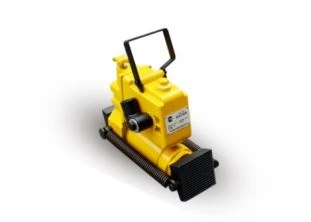
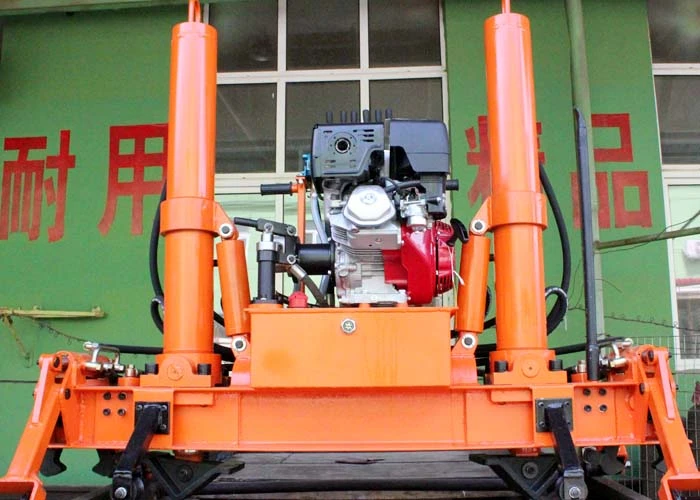
- Hydraulic Track Jack (Hydraulic Rail Jack): This product is a great example of our commitment to quality and innovation in the rail jack industry.
- Hydraulic Tie Spacer Hydraulic Rail Jack: It offers advanced features and a top - notch communication system for efficient track maintenance.
- Rail Profile Grinding Template Ruler: This tool, along with our Rail Jacks, can help you achieve precise track grinding and alignment.
Conclusion
In conclusion, the communication system on a Rail Jack is a vital component that ensures safety, efficiency, and coordination in railway construction and maintenance. As a rail jack supplier, we're constantly working to improve our communication systems to meet the ever - changing needs of the industry.
If you're in the market for a Rail Jack or have any questions about our products, don't hesitate to reach out. We're here to help you find the best solution for your railway projects. Let's work together to build better railways!
References
- Railway Construction Handbook
- Hydraulic Systems in Heavy - Duty Equipment Manual
- Wireless Communication Technology for Industrial Applications Guide