




What is the cutting dust generation of a Rail Cutter?
 Dec 26, 2025|
 What is the cutting dust generation of a Rail Cutter?
As a leading supplier in the rail cutter industry, one question that we often get asked by our clients is about the cutting dust generation of our rail cutters. Understanding this aspect is crucial not only for the safety and health of the operators but also for the overall efficiency and quality of the rail - cutting process.
The Basics of Cutting Dust Generation in Rail Cutters
When a rail cutter operates, it is essentially removing material from the rail. The process of cutting through the hard steel of the rail involves high - speed abrasion or shearing. As the cutting blade or tool makes contact with the rail, small particles of the rail material are dislodged. These particles, which range in size from large chips to fine dust, are what we refer to as cutting dust.
The amount of dust generated depends on several factors. Firstly, the cutting method plays a significant role. For example, abrasive cutting methods, such as using a high - speed abrasive wheel, tend to produce more dust compared to shearing methods. The abrasive wheel grinds away the steel, creating a large amount of fine dust particles as it breaks down the material. On the other hand, shearing methods, which involve cutting the rail by applying a force to break it along a specific line, generally produce less dust but may generate larger chips.
Secondly, the type of rail being cut also affects dust generation. Different rail materials have different hardness and composition. Harder rails may require more force and friction during the cutting process, leading to increased dust production. Rails with a higher alloy content, for instance, can generate different types and amounts of dust compared to standard carbon steel rails.
Impact of Cutting Dust
Cutting dust from rail cutters can have several negative impacts. From an environmental perspective, the dust can contaminate the air in the surrounding area. Fine dust particles can remain suspended in the air for a long time and be carried by the wind over a significant distance. This can contribute to air pollution and may also settle on nearby vegetation, affecting plant health.
On the health front, inhalable dust particles can pose serious risks to the operators and workers in the vicinity. Fine dust particles, especially those classified as respirable, can penetrate deep into the lungs. Prolonged exposure to these dust particles can lead to various respiratory diseases, such as silicosis, pneumoconiosis, and chronic obstructive pulmonary disease (COPD). Abrasive dust can also cause irritation to the eyes, skin, and mucous membranes.
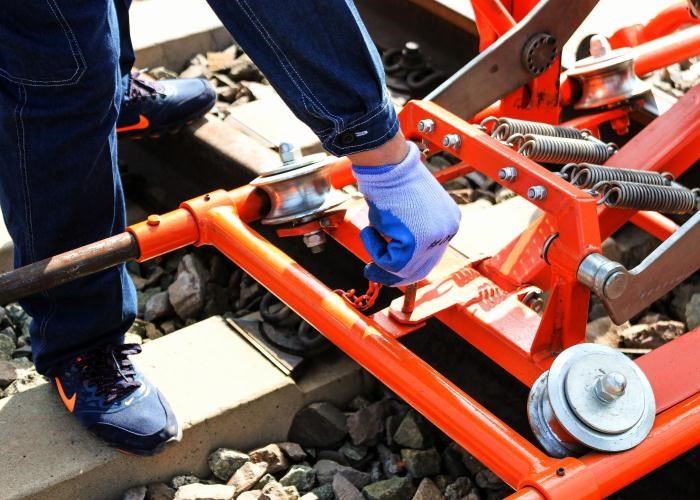
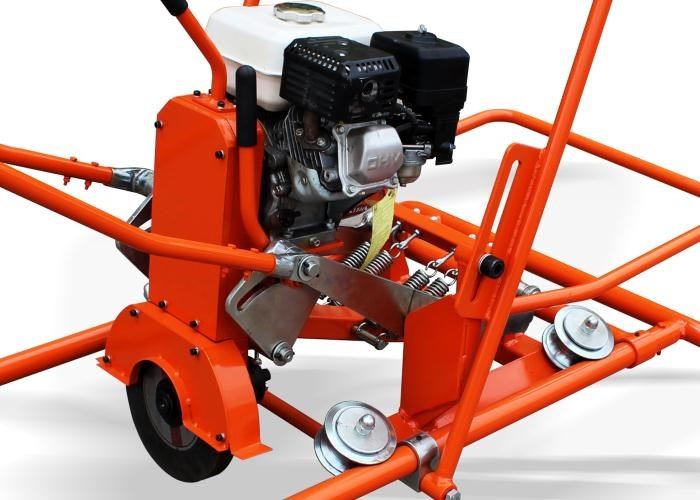
In addition to the health and environmental impacts, dust can also have a negative effect on the operation of the rail cutter itself. The dust can accumulate on the cutting tools, bearings, and other moving parts of the machine. This can lead to increased wear and tear, reduced efficiency, and even premature failure of the components. For example, dust in the bearings can cause friction, heat, and eventually damage the bearing, leading to costly repairs and downtime.
Our Solutions to Minimize Cutting Dust
As a responsible rail cutter supplier, we are committed to providing solutions that minimize cutting dust generation. One of the key features of our rail cutters is the incorporation of advanced dust - collection systems. These systems are designed to capture the dust at the source, as soon as it is generated.
Our dust - collection systems use a combination of suction and filtration mechanisms. The suction unit creates a negative pressure around the cutting area, drawing the dust particles into the collection system. Once inside, the dust passes through a series of filters. These filters are designed to trap the dust particles of different sizes, allowing only clean air to be released back into the environment.
We also offer a range of cutting tools that are optimized to reduce dust generation. For example, our specially designed cutting blades have a unique tooth geometry that reduces friction during the cutting process. This not only minimizes dust production but also extends the life of the cutting blade.
In addition to the hardware solutions, we provide comprehensive training to our customers on how to operate the rail cutters in a way that reduces dust generation. This includes proper blade selection, correct cutting speeds, and regular maintenance of the machine and the dust - collection system.
Related Rail - Cutting Products
In addition to our rail cutters, we also offer a variety of related products. The NCM - 4II Turnout Grinding Machine is a high - performance tool for grinding rail turnouts. It is designed to provide precise and efficient grinding, with advanced features to minimize dust generation during the grinding process.
Another product is the Pertol Engine Rail Waist Grinding Machine. This machine is specifically designed for grinding the rail waist. It offers reliable performance and is equipped with effective dust - control measures to ensure a clean and safe working environment.
The GYDM - III Rail Waist Grinding Machine is another excellent option for rail - waist grinding. It combines high - quality grinding capabilities with advanced dust - collection technology, making it a popular choice among our customers.
Call to Action
If you are in the market for a high - quality rail cutter or any of our related rail - cutting products, we invite you to contact us for a detailed discussion. Our team of experts is ready to provide you with the best solutions based on your specific needs and requirements. Whether you are concerned about cutting dust generation, machine performance, or cost - effectiveness, we have the expertise and the products to meet your expectations. Reach out to us today to start the procurement process and take your rail - cutting operations to the next level.
References
- Smith, J. (2018). "Dust Generation and Control in Metal Cutting Processes". Journal of Manufacturing Technology, 23(4), 123 - 135.
- Johnson, L. (2019). "Health Risks Associated with Industrial Dust Exposure". Occupational Health Journal, 34(2), 67 - 79.
- Brown, M. (2020). "Advancements in Rail - Cutting Technology: A Review". Railway Engineering Journal, 18(3), 89 - 101.