




How to calibrate a rail bender?
 Dec 26, 2025|
 Hey there! As a supplier of rail benders, I often get asked about how to calibrate these nifty machines. Calibration is super important because it ensures that your rail bender works accurately and efficiently, giving you the right bend every time. So, let's dive into the process of calibrating a rail bender.
Why Calibration Matters
Before we get into the how - to, let's talk about why calibration is such a big deal. A well - calibrated rail bender can make your work so much easier. It helps in maintaining the quality of the bends, which is crucial for railway construction and maintenance projects. If your rail bender isn't calibrated correctly, you might end up with bends that are either too sharp or not sharp enough, and that can cause all sorts of problems down the line.
Pre - Calibration Checks
First things first, before you start the actual calibration process, you need to do some pre - checks.
- Inspect the Machine: Take a good look at your rail bender. Check for any visible signs of damage, like cracks in the frame or loose parts. If you find anything, it's best to fix it before you start calibrating. A damaged machine won't give accurate results, no matter how well you calibrate it.
- Clean the Machine: Make sure the rail bender is clean. Dirt and debris can interfere with the moving parts and affect the calibration. Use a clean cloth to wipe down the machine, especially the areas where the rails come into contact.
Tools You'll Need
To calibrate a rail bender, you'll need a few tools:
- Measuring Tape: This is essential for measuring the dimensions of the bends. You'll want to make sure the bends are the right size, and a measuring tape will help you with that.
- Angle Gauge: An angle gauge is used to measure the angle of the bends. You need to know if the rail is being bent at the correct angle, and an angle gauge will give you an accurate reading.
- Wrenches: You'll need wrenches to adjust the various nuts and bolts on the rail bender. Different rail benders might require different sizes of wrenches, so make sure you have a set on hand.
Step - by - Step Calibration Process
Step 1: Set the Initial Position
Start by setting the rail bender to its initial position. This usually means making sure all the moving parts are in their starting positions. Some rail benders have markings to help you with this. If yours does, align the parts according to the markings.
Step 2: Measure the Bend Radius
The bend radius is the distance from the center of the bend to the outer edge of the rail. Use your measuring tape to measure the bend radius. Compare the measurement with the specifications for the project you're working on. If the bend radius is off, you'll need to adjust the settings on the rail bender.
Step 3: Check the Bend Angle
Use the angle gauge to measure the angle of the bend. Place the angle gauge on the bent rail and take a reading. Just like with the bend radius, compare the measurement with the project specifications. If the angle is incorrect, you'll need to make some adjustments.
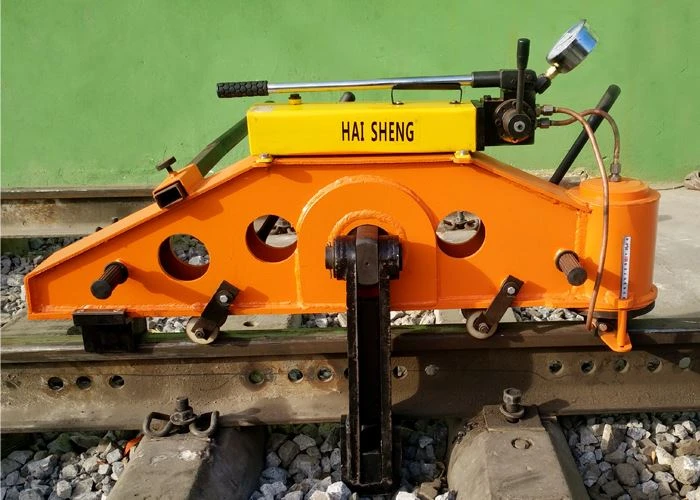
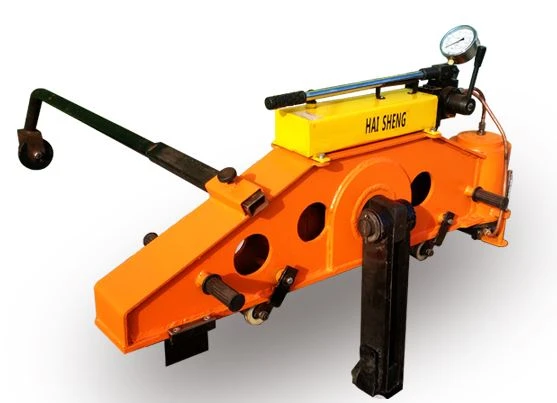
Step 4: Adjust the Settings
If the bend radius or angle is off, it's time to adjust the settings on the rail bender. This usually involves turning the nuts and bolts with your wrenches. Make small adjustments at a time and then re - measure the bend radius and angle. Keep doing this until you get the correct measurements.
Step 5: Test the Bends
Once you've made the adjustments, it's time to test the bends. Take a sample rail and run it through the bender. Measure the bend radius and angle again to make sure they're still correct. If everything looks good, you're all set. If not, go back and make some more adjustments.
Our Rail Bender Products
At our company, we offer a range of high - quality rail benders. For example, our High working efficiency 1100KN Vertical Rail Bender straightening device is known for its excellent performance. It's designed to be easy to operate and calibrate, so you can get accurate bends every time.
We also have the Rail Bender, which is a versatile machine suitable for various railway projects. And our Rail Bender (rail bending machine screw jack rail bender) is a hydraulic - powered option that provides strong and precise bends.
Contact Us for Purchase and Consultation
If you're in the market for a new rail bender or need more information about calibration, we're here to help. Whether you're a small - scale contractor or a large - scale railway construction company, we have the right rail bender for you. Don't hesitate to reach out to us for a consultation. We can guide you through the calibration process and help you choose the best rail bender for your needs.
References
- Railway Construction Handbook
- Machinery Calibration Manuals