




What is the cutting speed of weld shears?
 Jun 12, 2025|
 Hey there! As a supplier of weld shears, I often get asked about the cutting speed of these nifty tools. So, let's dive right in and explore what the cutting speed of weld shears really means and why it matters.
First off, what are weld shears? Well, they're specialized tools designed to cut through welded joints and excess metal efficiently. Whether you're working on a construction site, in a manufacturing plant, or doing some DIY projects at home, weld shears can be a real game - changer.
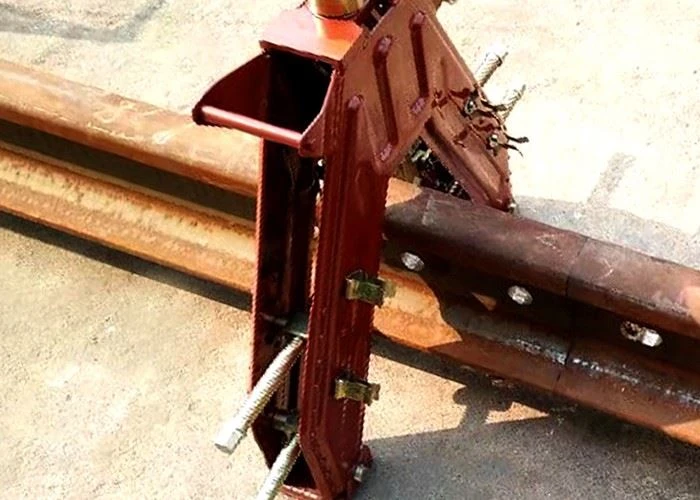

The cutting speed of weld shears refers to how fast they can cut through the material. It's usually measured in millimeters per minute (mm/min) or inches per minute (in/min). This speed can vary significantly depending on several factors.
One of the main factors that affect the cutting speed is the type of material being cut. Different metals have different hardness levels and properties. For example, cutting through mild steel is a lot easier and faster than cutting through stainless steel or high - carbon steel. Mild steel is relatively soft and ductile, allowing the weld shears to slice through it with less resistance. On the other hand, stainless steel contains elements like chromium and nickel, which make it harder and more resistant to cutting. So, if you're using weld shears on stainless steel, you can expect the cutting speed to be slower compared to mild steel.
Another important factor is the thickness of the material. Thicker materials naturally take longer to cut through. When the material is thin, the blades of the weld shears can easily penetrate and sever it. But as the thickness increases, the shearing force required also goes up. The motor or power source of the weld shears has to work harder to push the blades through the thicker metal, which slows down the cutting process. For instance, cutting through a 2 - mm thick steel plate will be much quicker than cutting through a 10 - mm thick one.
The design and quality of the weld shears themselves also play a huge role in determining the cutting speed. High - quality weld shears are equipped with sharp blades made from premium materials. Sharp blades can make clean and fast cuts. They reduce the amount of force needed to cut through the material, which in turn increases the cutting speed. Additionally, well - designed weld shears have efficient power transmission systems. This means that the power from the motor is effectively transferred to the blades, allowing them to operate at their optimal speed. Cheaper, lower - quality weld shears may have dull blades and inefficient power systems, resulting in slower cutting speeds and a less precise cut.
Let's talk about the importance of cutting speed. In industrial settings, time is money. A faster cutting speed means that more work can be completed in a shorter period. This increases productivity and reduces labor costs. For example, in a large - scale manufacturing plant where thousands of welded joints need to be cut, a few extra seconds per cut can add up to a significant amount of time over the course of a day. By using weld shears with a high cutting speed, the plant can produce more products in the same amount of time, which ultimately boosts their bottom line.
In construction projects, a fast - cutting weld shear can also speed up the overall project timeline. Whether it's building a bridge or a skyscraper, quick and efficient cutting of welded parts can keep the construction process on schedule. Delays due to slow - cutting tools can lead to additional costs, such as extended labor hours and late - completion penalties.
Now, if you're in the market for weld shears, it's important to consider the cutting speed along with other features. You want to choose a pair of weld shears that can handle the type and thickness of the materials you'll be working with at an acceptable speed.
As a supplier, we offer a wide range of weld shears that are designed to provide excellent cutting speeds. Our products are suitable for various applications, from small - scale DIY projects to large - scale industrial operations.
If you're interested in learning more about processes related to welding and cutting, you might want to check out steel normalizing. This is an important heat - treatment process that can improve the properties of steel, making it easier to work with. Also, if you're involved in rail welding, take a look at After Thermit Welding Tool~ Rail Alignment Tool and YH - 6 Portable Gas Pressure Rail Welding Machine. These tools can enhance the quality and efficiency of rail - welding projects.
We understand that every customer has unique needs, and we're here to help you find the perfect weld shears for your specific requirements. Whether you need a high - speed shear for a large - volume production line or a more compact and portable one for on - site work, we've got you covered.
If you're interested in purchasing our weld shears or have any questions about their cutting speed or other features, don't hesitate to get in touch. We're always happy to have a chat and discuss how our products can benefit your business. Contact us today to start the conversation and see how we can help you with your welding and cutting needs.
References:
- Industrial Welding Handbook: Covers general information about welding and cutting tools, including weld shears.
- Metalworking Technology Journals: Provide in - depth research on the properties of different metals and their impact on cutting processes.