




How does a rail tamper work in areas with dense vegetation along the tracks?
 Jun 13, 2025|
 In the realm of railway maintenance, the presence of dense vegetation along tracks poses unique challenges for ensuring the stability and safety of the railway infrastructure. As a reputable rail tamper supplier, we understand the critical role that our equipment plays in maintaining track integrity, even in areas where vegetation growth can complicate the tamping process. In this blog post, we will delve into how a rail tamper operates in areas with dense vegetation along the tracks, exploring the mechanisms, challenges, and solutions involved.
Understanding the Role of Rail Tamper
Before we discuss how a rail tamper functions in vegetated areas, it's essential to understand its primary purpose. A rail tamper, also known as a Railroad Tamper, is a specialized machine used to pack the ballast under railway tracks. The ballast, typically made of crushed stone or gravel, provides support and stability to the tracks by distributing the load of passing trains evenly. Over time, the ballast can become loose or displaced, leading to uneven track surfaces, which can cause excessive wear and tear on trains and pose safety risks. A rail tamper addresses these issues by inserting tamping tools into the ballast and vibrating or squeezing them to compact the ballast particles together, restoring the track's alignment and stability.
Challenges Posed by Dense Vegetation
Dense vegetation along railway tracks presents several challenges for rail tamper operations. Firstly, the overgrown vegetation can obstruct the path of the tamper, making it difficult or impossible for the machine to access the tracks. This can slow down the tamping process and increase the time and cost required for maintenance. Secondly, the roots of the vegetation can penetrate the ballast layer, causing it to become loose or unstable. This can make it more challenging for the tamper to achieve the desired level of compaction, as the roots can interfere with the movement of the tamping tools. Additionally, the vegetation can trap moisture, leading to the growth of mold and fungi, which can further weaken the ballast and damage the tracks.
Mechanisms for Operating in Vegetated Areas
To overcome the challenges posed by dense vegetation, modern rail tampers are equipped with several features and mechanisms designed to operate effectively in these conditions. One such feature is the use of adjustable tamping tools. These tools can be adjusted to different depths and angles, allowing the operator to reach the ballast layer even when it is covered by vegetation. The tamping tools are also designed to be flexible, enabling them to navigate around obstacles such as roots and branches without getting stuck. Additionally, some rail tampers are equipped with cutting blades or mowers, which can be used to clear the vegetation along the tracks before the tamping operation begins. This not only improves the accessibility of the tracks but also reduces the risk of damage to the tamping tools.
Another important mechanism for operating in vegetated areas is the use of advanced sensors and control systems. These systems allow the operator to monitor the position and movement of the tamper in real-time, ensuring that it stays on track and avoids collisions with obstacles. The sensors can also detect the presence of roots and other underground objects, allowing the operator to adjust the tamping process accordingly. Some rail tampers are also equipped with GPS technology, which can be used to create detailed maps of the tracks and vegetation, enabling the operator to plan the tamping operation more efficiently.
Case Studies: Our Solutions in Action
To illustrate the effectiveness of our rail tampers in areas with dense vegetation, let's take a look at some real-world case studies. In one project, we were contracted to maintain a railway line that passed through a heavily forested area. The overgrown vegetation along the tracks was so dense that it was almost impossible for the tamper to access the tracks. To address this issue, we used a combination of cutting blades and mowers to clear the vegetation along the tracks before the tamping operation began. We also adjusted the tamping tools to a shallower depth to avoid hitting the roots of the vegetation. Despite the challenging conditions, our rail tamper was able to achieve the desired level of compaction, restoring the track's alignment and stability.
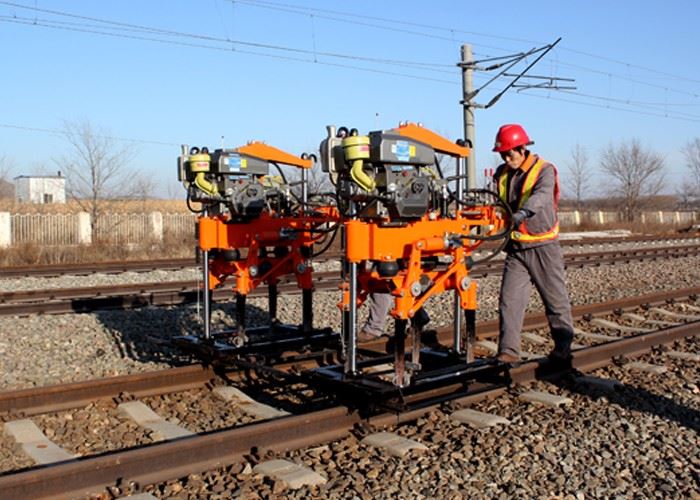
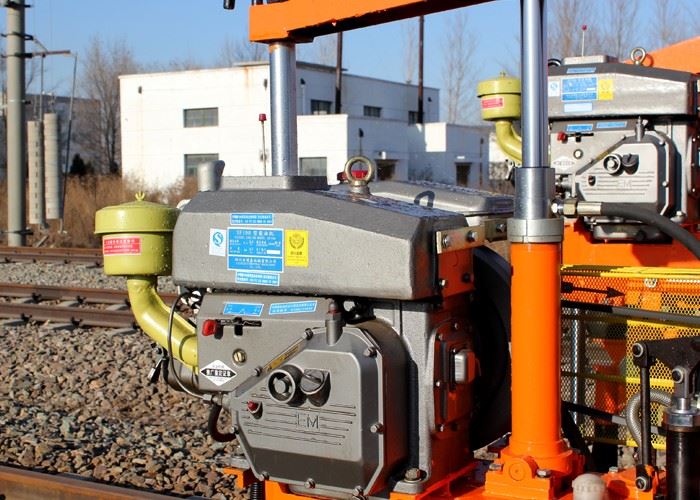
In another project, we were tasked with maintaining a railway line in a wetland area, where the vegetation was constantly saturated with water. The roots of the vegetation had penetrated the ballast layer, causing it to become loose and unstable. To address this issue, we used a Hydraulic Ballast Tamping Machine YD - 22 For Railway, which is equipped with powerful vibrating tamping tools. The high-frequency vibrations of the tamping tools were able to break up the roots and compact the ballast particles together, improving the track's stability. We also used a moisture sensor to monitor the moisture content of the ballast, allowing us to adjust the tamping process to ensure optimal compaction.
Importance of Regular Maintenance
In addition to using advanced equipment and techniques, regular maintenance is essential for ensuring the long-term performance and safety of railway tracks in areas with dense vegetation. This includes clearing the vegetation along the tracks on a regular basis to prevent it from obstructing the tamper and damaging the ballast. It also involves inspecting the tracks for signs of damage or wear and tear and addressing any issues promptly. By investing in regular maintenance, railway operators can reduce the risk of track failures, improve the efficiency of their operations, and ensure the safety of passengers and freight.
Our Product Offerings
As a leading rail tamper supplier, we offer a wide range of high-quality rail tampers and related equipment designed to meet the diverse needs of our customers. Our YD - 22Ⅲ Intelligent Rail Tamping Machine Unit is a state-of-the-art rail tamper that is equipped with advanced features and technologies, such as adjustable tamping tools, advanced sensors, and control systems, making it ideal for operating in areas with dense vegetation. Our tamper is also designed to be easy to operate and maintain, reducing the time and cost required for maintenance.
Contact Us for Your Rail Tamper Needs
If you are in need of a reliable and efficient rail tamper for your railway maintenance needs, especially in areas with dense vegetation, look no further. Our team of experts is dedicated to providing you with the best solutions and support to ensure the success of your projects. Whether you need a single rail tamper or a complete fleet of equipment, we have the expertise and resources to meet your requirements. Contact us today to learn more about our products and services and to discuss your specific needs. We look forward to working with you to keep your railway tracks in top condition.