




What is the cutting speed of a Railway Cutter?
 Jun 13, 2025|
 What is the cutting speed of a Railway Cutter?
As a supplier of railway cutters, I often receive inquiries from customers about the cutting speed of these essential machines. Understanding the cutting speed is crucial for efficient railway maintenance and construction projects. In this blog, I'll delve into what the cutting speed of a railway cutter is, the factors that influence it, and why it matters in the railway industry.
Defining Cutting Speed
The cutting speed of a railway cutter refers to the rate at which the cutting tool moves across the rail surface during the cutting process. It is typically measured in meters per minute (m/min) or feet per minute (ft/min). This speed is a key parameter that determines how quickly a railway cutter can complete a cutting task, and it directly impacts the overall efficiency and productivity of railway projects.
A higher cutting speed generally means that the cutter can cut through the rail more rapidly, reducing the time required for each cut. However, it's important to note that cutting speed is not the only factor that affects the cutting process. Other factors, such as the type of cutting tool, the material of the rail, and the cutting conditions, also play significant roles.
Factors Influencing Cutting Speed
- Type of Cutting Tool
The choice of cutting tool has a major impact on the cutting speed. Different types of cutting tools, such as abrasive wheels, saw blades, and plasma cutters, have different cutting capabilities. For example, abrasive wheels are commonly used for cutting rails due to their ability to cut through hard materials. The grit size and quality of the abrasive wheel can affect the cutting speed. A wheel with a finer grit may provide a smoother cut but may have a slower cutting speed compared to a wheel with a coarser grit. - Rail Material
The material of the rail is another important factor. Rails are typically made of high - strength steel, but the specific composition and hardness can vary. Harder rails require more force to cut through, which may result in a lower cutting speed. For instance, rails with a higher carbon content or alloying elements are generally harder and may need a slower cutting speed to ensure a clean and accurate cut. - Cutting Conditions
The cutting conditions, including the feed rate, the depth of cut, and the cooling method, also influence the cutting speed. The feed rate refers to the speed at which the cutting tool is advanced into the rail. A higher feed rate can increase the cutting speed, but if it is too high, it may cause the cutting tool to wear out quickly or result in a poor - quality cut. The depth of cut determines how much material is removed in each pass. A larger depth of cut may require a slower cutting speed to maintain stability. Additionally, proper cooling is essential to prevent overheating of the cutting tool, which can reduce its cutting efficiency and lifespan.
Importance of Cutting Speed in the Railway Industry
- Project Efficiency
In railway construction and maintenance projects, time is of the essence. A faster cutting speed allows for quicker completion of cutting tasks, which can significantly reduce the overall project duration. This is especially important in situations where railway lines need to be reopened as soon as possible after maintenance work. For example, if a railway cutter can cut through a rail at a higher speed, it can complete the repair of a damaged section more rapidly, minimizing disruptions to train services. - Cost - Effectiveness
Efficient cutting speed can also lead to cost savings. By reducing the time spent on cutting tasks, less labor is required, which can lower labor costs. Additionally, a faster cutting speed can reduce the wear and tear on the cutting tool, extending its lifespan and reducing the frequency of tool replacements. This can result in lower tooling costs over the long term. - Quality of Work
Maintaining an appropriate cutting speed is crucial for ensuring the quality of the cut. A consistent and appropriate cutting speed can result in a clean and accurate cut, which is essential for proper rail joining and alignment. This helps to maintain the safety and reliability of the railway track.
Our Railway Cutter Offerings
As a supplier, we offer a range of railway cutters designed to meet different cutting speed requirements. Our products are engineered with advanced technology to ensure high - performance cutting. For example, our Internal Combustion Tilting Rail Grinding Machine Rail Grinder is equipped with a powerful engine and a high - quality cutting tool, which can achieve an optimal cutting speed for various rail materials.
Our Track Way Rail Waist Surface Grinding Machine is designed for precise cutting of the rail waist surface. It offers adjustable cutting speed settings, allowing operators to choose the most suitable speed based on the specific cutting conditions. This flexibility ensures that high - quality cuts can be achieved in different situations.
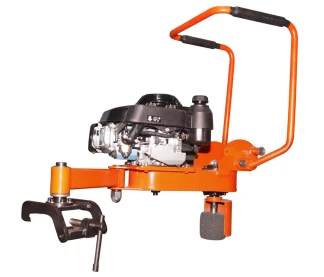

In addition, our Internal Combustion After Welding Rail Bottom Shearing Machine Grinding Machine is a reliable option for cutting and grinding the rail bottom after welding. It provides a stable cutting speed, which is essential for maintaining the integrity of the welded joint.
Contact Us for Purchase and Consultation
If you are involved in railway construction or maintenance projects and are looking for high - quality railway cutters with optimal cutting speeds, we are here to help. Our team of experts can provide you with detailed information about our products, including their cutting speed capabilities, and assist you in choosing the most suitable railway cutter for your specific needs.
We understand that each project is unique, and we are committed to providing customized solutions to meet your requirements. Whether you need a cutter for a small - scale maintenance task or a large - scale construction project, we have the right product for you.
Don't hesitate to contact us to start the discussion about your railway cutter needs. We look forward to working with you to achieve efficient and high - quality railway cutting.
References
- ASME. "Cutting Tools and Machining Handbook." American Society of Mechanical Engineers.
- ISO Standards on Railway Track Construction and Maintenance. International Organization for Standardization.
- Railway Engineering Textbooks on Track Maintenance and Construction. Various publishers.