




What is the data collection function of a track tamper during operation?
 Oct 27, 2025|
 Hey there! As a supplier of track tampers, I often get asked about the data collection function of these machines during operation. It's a super important topic, so I thought I'd break it down for you all in this blog post.
First off, let's talk about what a track tamper is. If you're not in the railway industry, you might not be familiar with it. A track tamper is a machine used to pack the ballast under railway tracks. This helps to keep the tracks in the right position, maintain the correct gauge, and provide a smooth and safe ride for trains. We offer a variety of track tampers, like the Diesel Hydraulic Rail Tamping Machine, YD-22II Best Selling Hydraulic Rail Tamping Machine, and Hydraulic Ballast Tamper Railway.
Now, let's dive into the data collection function. During operation, a track tamper can collect a whole bunch of data that's crucial for efficient and effective track maintenance.
One of the key types of data that a track tamper can collect is related to the tamping process itself. For example, it can measure the force applied during tamping. This is important because if the force is too low, the ballast won't be packed tightly enough, and the tracks might shift over time. On the other hand, if the force is too high, it could damage the ballast or the tracks. By collecting data on the tamping force, railway maintenance teams can ensure that the tamping is being done at the optimal level.
Another important piece of data is the depth of tamping. The track tamper needs to reach the right depth in the ballast to properly pack it. If the tamping depth is incorrect, it can lead to uneven track support. The machine can record how deep it's going during each tamping operation, allowing for adjustments to be made if necessary.
The track tamper can also collect data on the frequency of tamping. Different sections of the railway track might require different tamping frequencies depending on factors like the amount of train traffic, the type of soil beneath the tracks, and the age of the ballast. By analyzing the data on tamping frequency, maintenance crews can develop a more targeted and efficient maintenance schedule.
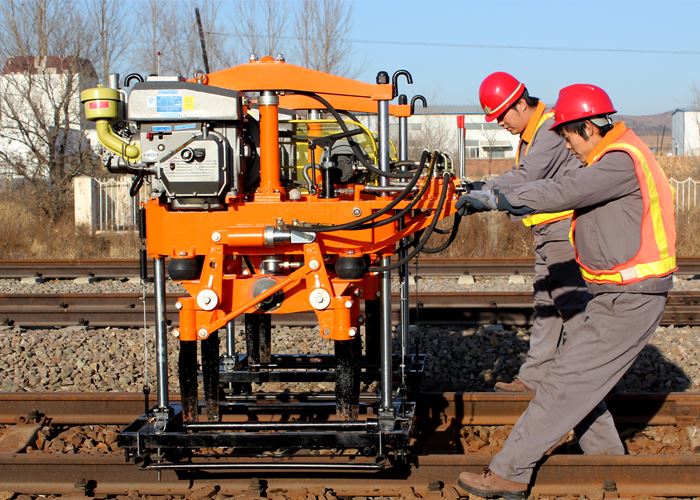
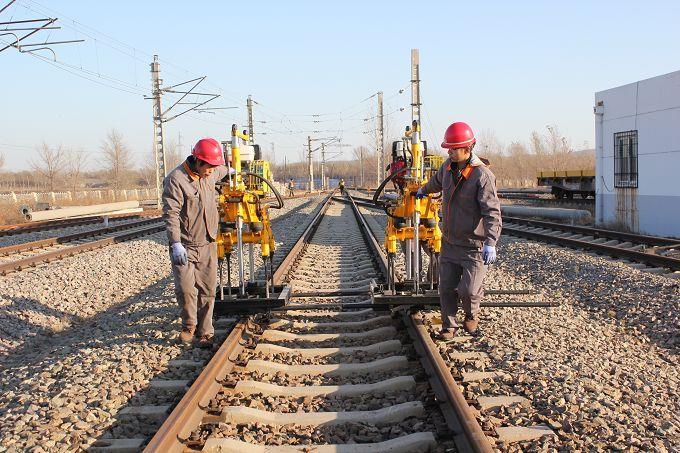
In addition to tamping - related data, the track tamper can gather information about the track's alignment. It can measure the lateral and vertical alignment of the tracks. This is essential for ensuring that the trains can run smoothly and safely. Any deviations from the correct alignment can be detected early through data collection, and corrective actions can be taken before they cause serious problems.
The machine can also collect data on its own performance. For example, it can monitor the engine's temperature, fuel consumption, and hydraulic system pressure. This helps in detecting any potential mechanical issues early. If the engine temperature is rising too high or the fuel consumption is abnormal, it could be a sign of a problem that needs to be addressed. By having this data, maintenance teams can perform preventive maintenance, reducing the risk of breakdowns and costly repairs.
Now, let's talk about how this data is used. Once the track tamper has collected all this data, it can be transmitted to a central database. From there, railway engineers and maintenance managers can analyze it. They can use the data to create detailed reports on the condition of the tracks. These reports can help in making informed decisions about future track maintenance projects.
For instance, if the data shows that a particular section of the track always requires more frequent tamping or has alignment issues, it might be a sign that this section needs more in - depth inspection or even replacement. The data can also be used to compare the performance of different track tampers. If one machine is consistently using more fuel or having alignment measurement errors, it can be looked at more closely to see if there are any adjustments or repairs needed.
Moreover, the data can be used for long - term planning. Railway companies can use the historical data on track conditions and tamping operations to predict when major maintenance will be required in the future. This allows them to budget and allocate resources more effectively.
As a track tamper supplier, we understand the importance of data collection. That's why our machines are equipped with state - of - the - art sensors and data collection systems. We're constantly working on improving these systems to make them more accurate and reliable.
If you're in the railway industry and are looking for a high - quality track tamper with excellent data collection capabilities, we'd love to talk to you. Whether you need a small - scale machine for a local railway or a large - scale, heavy - duty tamper for a major railway network, we've got you covered. Reach out to us to start a conversation about your specific needs and how our track tampers can fit into your maintenance operations.
In conclusion, the data collection function of a track tamper during operation is a game - changer in the railway maintenance industry. It provides valuable insights that lead to more efficient track maintenance, better safety, and cost savings in the long run. So, if you're considering investing in a track tamper, make sure to prioritize the data collection features.
References
- Railway Track Maintenance Handbook
- Journal of Railway Engineering Research on Track Tamper Technology
- Industry Reports on Railway Track Maintenance Practices