




What is the cost of manufacturing a railway vehicle?
 Oct 27, 2025|
 Manufacturing a railway vehicle is a complex and costly endeavor that involves numerous factors and considerations. As a railway vehicle supplier, I have witnessed firsthand the intricacies and expenses associated with bringing these remarkable machines to life. In this blog post, I will delve into the various components that contribute to the cost of manufacturing a railway vehicle, providing insights into the key elements that shape the final price tag.
Raw Materials
One of the primary cost drivers in railway vehicle manufacturing is the procurement of raw materials. These materials form the foundation of the vehicle, providing the structural integrity and functionality required for safe and efficient operation. The most common raw materials used in railway vehicle construction include steel, aluminum, and composite materials.
Steel is a staple in railway vehicle manufacturing due to its high strength, durability, and relatively low cost. It is used extensively in the construction of the vehicle's frame, body, and undercarriage, providing the necessary support and stability. However, the price of steel can fluctuate significantly based on market conditions, global demand, and supply chain disruptions. These fluctuations can have a substantial impact on the overall cost of manufacturing a railway vehicle.
Aluminum is another important raw material in railway vehicle manufacturing, particularly for components that require lightweight properties. Aluminum is known for its high strength-to-weight ratio, corrosion resistance, and excellent formability. It is commonly used in the construction of the vehicle's exterior panels, roof, and interior fixtures, helping to reduce the overall weight of the vehicle and improve energy efficiency. However, aluminum is generally more expensive than steel, which can contribute to higher manufacturing costs.
Composite materials, such as carbon fiber reinforced polymers (CFRP), are increasingly being used in railway vehicle manufacturing due to their superior strength, stiffness, and lightweight properties. CFRP composites offer significant weight savings compared to traditional materials, which can result in improved fuel efficiency and reduced operating costs. However, the production of CFRP composites is a complex and expensive process, which can drive up the cost of manufacturing a railway vehicle.
Design and Engineering
The design and engineering phase of railway vehicle manufacturing is another significant cost factor. This phase involves the development of the vehicle's concept, layout, and technical specifications, as well as the creation of detailed engineering drawings and models. The design and engineering process requires a team of highly skilled professionals, including mechanical engineers, electrical engineers, and industrial designers, who work together to ensure that the vehicle meets the required performance, safety, and regulatory standards.
The cost of design and engineering can vary depending on the complexity of the vehicle, the level of customization required, and the time and resources needed to complete the project. For example, a high-speed train with advanced features and technologies will typically require more extensive design and engineering work than a standard commuter train. Additionally, the use of new and innovative materials and technologies can also increase the cost of design and engineering, as these may require additional research and development.
Manufacturing Processes
The manufacturing processes used to produce a railway vehicle can also have a significant impact on the overall cost. Railway vehicle manufacturing involves a wide range of processes, including cutting, welding, machining, painting, and assembly. Each of these processes requires specialized equipment, tools, and skilled labor, which can contribute to the cost of manufacturing.
The choice of manufacturing processes can also affect the quality and performance of the vehicle. For example, advanced manufacturing techniques, such as precision machining and robotic welding, can improve the accuracy and consistency of the manufacturing process, resulting in a higher-quality product. However, these techniques often require significant investment in equipment and training, which can increase the cost of manufacturing.
Testing and Certification
Before a railway vehicle can be put into service, it must undergo a series of rigorous tests and certifications to ensure that it meets the required safety and performance standards. These tests include static and dynamic testing, such as strength testing, fatigue testing, and running tests, as well as environmental testing, such as temperature, humidity, and vibration testing. The testing and certification process can be time-consuming and expensive, as it requires specialized equipment, facilities, and personnel.
In addition to the testing and certification requirements, railway vehicles must also comply with a variety of national and international standards and regulations. These standards and regulations cover a wide range of areas, including safety, environmental protection, and accessibility. Complying with these standards and regulations can require additional design and engineering work, as well as the use of specialized materials and components, which can increase the cost of manufacturing.
Labor Costs
Labor costs are another significant factor in the cost of manufacturing a railway vehicle. Railway vehicle manufacturing is a labor-intensive process that requires a large number of skilled workers, including welders, machinists, electricians, and assemblers. The cost of labor can vary depending on the location of the manufacturing facility, the level of skill and experience required, and the prevailing wage rates in the area.
In addition to direct labor costs, there are also indirect labor costs associated with railway vehicle manufacturing, such as employee benefits, training, and supervision. These costs can add up quickly and contribute to the overall cost of manufacturing a railway vehicle.
Supply Chain Management
Effective supply chain management is crucial for ensuring the timely and cost-effective delivery of raw materials, components, and sub-assemblies to the manufacturing facility. The supply chain for railway vehicle manufacturing can be complex and global, involving multiple suppliers and partners located in different countries. Managing this supply chain requires careful planning, coordination, and communication to ensure that all materials and components are available when needed and at the right price.
The cost of supply chain management can include transportation costs, inventory management costs, and quality control costs. For example, the transportation of raw materials and components from suppliers to the manufacturing facility can be expensive, particularly if the suppliers are located in different countries. Additionally, maintaining inventory levels to ensure a continuous supply of materials and components can also be costly, as it requires storage space and inventory management systems.
Examples of Railway Vehicles and Their Costs
To provide a better understanding of the cost of manufacturing a railway vehicle, let's take a look at some examples of different types of railway vehicles and their associated costs.
- Smart Mini Battery Rail Trolley: This compact and versatile rail trolley is designed for light-duty applications, such as maintenance and inspection work. It is powered by a rechargeable battery, which provides a clean and efficient alternative to traditional fuel-powered vehicles. The cost of manufacturing a Smart Mini Battery Rail Trolley can range from $10,000 to $30,000, depending on the specific features and options.
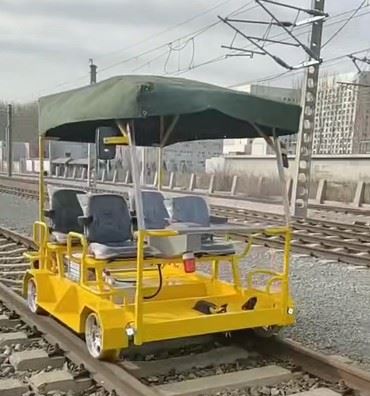
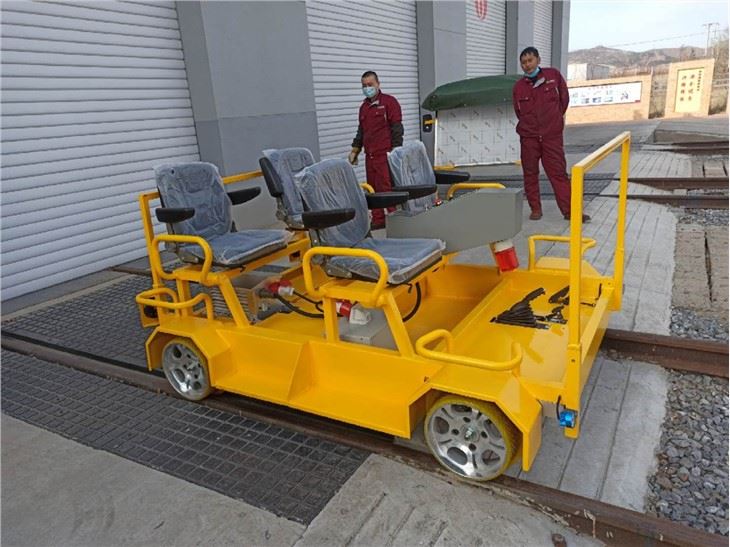
- Transporting Tool Lithium Battery Rail Trolley 4 seats special designed Inspection vehicle: This specialized rail trolley is designed for transporting personnel and equipment along railway tracks. It features a lithium battery power system, which provides long-range operation and fast charging capabilities. The cost of manufacturing a Transporting Tool Lithium Battery Rail Trolley 4 seats special designed Inspection vehicle can range from $30,000 to $60,000, depending on the level of customization and the specific requirements of the customer.
- PC-20 PC-50 Railcar: This medium-sized railcar is designed for a variety of applications, including freight transportation, passenger transportation, and maintenance work. It is available in different configurations and capacities, depending on the specific needs of the customer. The cost of manufacturing a PC-20 PC-50 Railcar can range from $100,000 to $500,000, depending on the size, features, and level of customization.
Conclusion
In conclusion, the cost of manufacturing a railway vehicle is influenced by a variety of factors, including raw materials, design and engineering, manufacturing processes, testing and certification, labor costs, and supply chain management. Each of these factors can have a significant impact on the final price tag of a railway vehicle, and it is important for manufacturers to carefully consider these factors when determining the cost of production.
As a railway vehicle supplier, we understand the challenges and complexities associated with manufacturing high-quality railway vehicles at a competitive price. We are committed to providing our customers with innovative solutions that meet their specific needs and requirements, while also ensuring that our products are safe, reliable, and cost-effective.
If you are interested in learning more about our railway vehicle products or would like to discuss your specific requirements, please do not hesitate to contact us. We look forward to the opportunity to work with you and help you find the perfect railway vehicle solution for your needs.
References
- Railway Vehicle Manufacturing: A Global Perspective. (2023). Retrieved from [Website URL]
- The Economics of Railway Vehicle Manufacturing. (2022). Journal of Transportation Economics and Policy, 56(3), 321-340.
- Advanced Materials in Railway Vehicle Manufacturing. (2021). Materials Science and Engineering: A, 823, 141722.