




What is the difference between a cold - cutting and a hot - cutting Railway Cutter?
 Oct 08, 2025|
 Hey there! As a supplier of railway cutters, I often get asked about the difference between cold - cutting and hot - cutting railway cutters. So, I thought I'd write this blog to clear things up for you.
Let's start with the basics. Cold - cutting railway cutters use mechanical force to cut through the rail. They don't rely on heat to make the cut. Instead, they use sharp blades or abrasive wheels to slice through the metal. On the other hand, hot - cutting railway cutters use heat to melt or burn through the rail.
How Cold - Cutting Works
Cold - cutting railway cutters are like the workhorses of the rail - cutting world. They're reliable and can handle a variety of rail types. One of the most common types of cold - cutting tools is the shear. A shear works by applying a large amount of pressure to the rail, causing it to break along a specific line. It's a bit like using a pair of giant scissors.
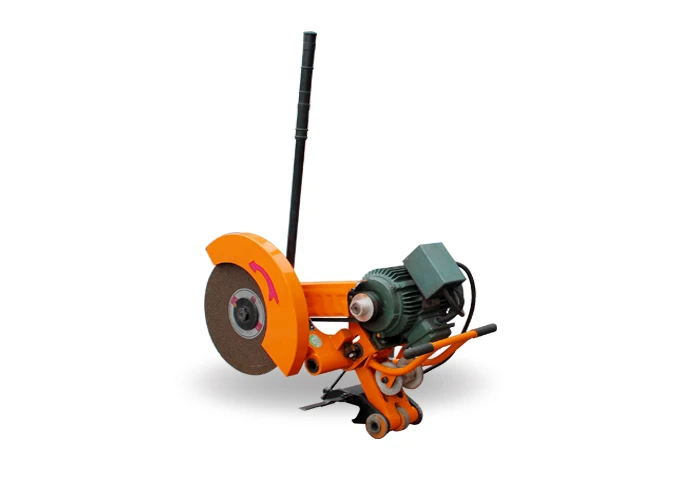
Another type of cold - cutting tool is the abrasive wheel cutter. These cutters use a high - speed rotating wheel made of abrasive material to grind through the rail. The advantage of abrasive wheel cutters is that they can make very precise cuts.
One of our popular cold - cutting products is the QG - 3II High Speed Electric Rail Cutting Machine. This machine is designed for high - speed and efficient cutting. It's electric - powered, which means it's clean and doesn't produce any harmful emissions. The QG - 3II can cut through different types of rails quickly and accurately, making it a great choice for railway maintenance and construction projects.
How Hot - Cutting Works
Hot - cutting railway cutters, as the name suggests, use heat to cut through the rail. The most common method is oxy - fuel cutting, which uses a mixture of oxygen and fuel gas (like acetylene) to create a high - temperature flame. This flame heats the rail to its melting point, and then a stream of oxygen blows away the molten metal, creating the cut.
Plasma cutting is another hot - cutting method. Plasma cutters use a high - velocity jet of ionized gas (plasma) to melt and cut through the rail. Plasma cutting is known for its high cutting speed and precision, especially when cutting thinner rails.
We offer the HWS - II Rail Trimmer shearing blade of Therimit Welding With Pump Station, which combines some aspects of hot - cutting technology. This product is designed to provide efficient and reliable rail trimming, and it's a great addition to any railway maintenance team's toolkit.
Advantages and Disadvantages
Cold - Cutting Advantages
- Safety: Cold - cutting methods are generally safer because they don't involve open flames or high - temperature gases. This reduces the risk of fire and explosion, making them suitable for use in areas where there are flammable materials or in confined spaces.
- Precision: Cold - cutting tools can make very precise cuts, which is important for applications where the fit of the rail sections is crucial.
- No Heat - Affected Zone: Since there's no heat involved, there's no heat - affected zone around the cut. This means the mechanical properties of the rail near the cut remain unchanged, which is beneficial for the long - term integrity of the rail.
Cold - Cutting Disadvantages
- Limited to Certain Rail Types: Cold - cutting tools may have difficulty cutting through very thick or hard rails. The mechanical force required to cut these rails can be quite high, and the blades or wheels may wear out quickly.
- Slower Cutting Speed: Compared to hot - cutting methods, cold - cutting can be slower, especially when cutting large - diameter rails.
Hot - Cutting Advantages
- High Cutting Speed: Hot - cutting methods can cut through thick rails much faster than cold - cutting methods. This is because the heat melts the metal, allowing for a quicker removal of material.
- Suitable for Thick Rails: Hot - cutting tools can handle very thick and hard rails with relative ease, as the heat can overcome the high strength of the metal.
Hot - Cutting Disadvantages
- Safety Risks: Hot - cutting involves open flames and high - temperature gases, which pose a significant fire and explosion risk. Special safety precautions need to be taken when using these tools.
- Heat - Affected Zone: The heat generated during hot - cutting can create a heat - affected zone around the cut. This can change the mechanical properties of the rail, such as its hardness and ductility, which may affect its performance over time.
Applications
Cold - cutting railway cutters are commonly used in railway maintenance and repair work. For example, when replacing a short section of rail, a cold - cutting tool can be used to make a precise cut without affecting the surrounding rails. They're also suitable for use in workshops where safety and precision are important.
Hot - cutting railway cutters are often used in large - scale railway construction projects. When laying new tracks, hot - cutting tools can quickly cut through long lengths of rail, increasing the efficiency of the construction process.
We also offer the Internal Combustion Tilting Rail Grinding Machine Rail Grinder, which is useful for smoothing the cut edges of the rail, whether it's been cut using cold - or hot - cutting methods. This machine helps to ensure a proper fit and smooth operation of the railway tracks.

Conclusion
So, in summary, the main difference between cold - cutting and hot - cutting railway cutters lies in the way they make the cut. Cold - cutting uses mechanical force, while hot - cutting uses heat. Each method has its own advantages and disadvantages, and the choice between them depends on the specific application, safety requirements, and the type of rail being cut.
If you're in the market for a railway cutter, whether it's a cold - cutting or hot - cutting one, we've got you covered. We offer a wide range of high - quality railway cutters and related products to meet your needs. If you have any questions or are interested in purchasing our products, feel free to reach out to us for a detailed discussion and procurement negotiation.
References
- Railway Engineering Handbook, various editions
- Technical manuals of our railway cutter products