




What is the difference between manual and electric weld shears?
 Jun 26, 2025|
 When it comes to the world of welding and metalworking, weld shears play a crucial role in cutting through various materials with precision. As a leading supplier of weld shears, I've had the opportunity to work closely with both manual and electric weld shears, and I've witnessed firsthand the unique characteristics and applications of each type. In this blog post, I'll delve into the key differences between manual and electric weld shears, helping you make an informed decision when choosing the right tool for your specific needs.
Design and Operation
Manual weld shears are typically designed with a simple yet effective mechanism. They consist of a pair of sharp blades connected by a pivot point, and the cutting action is achieved by applying manual force to the handles. This design makes them lightweight and portable, ideal for on - site work where mobility is essential. For example, in a small - scale metal fabrication shop or during field repairs, a manual weld shear can be easily carried around and used without the need for a power source.
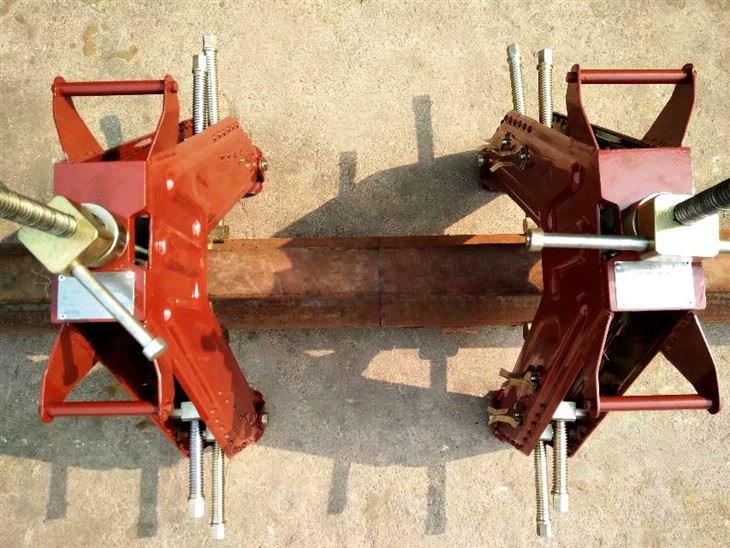
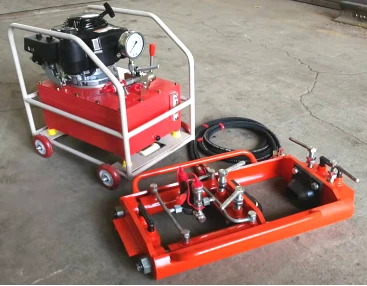
On the other hand, electric weld shears are powered by electricity. They usually come with a motor that drives the blades, eliminating the need for manual force. This results in a more consistent and powerful cutting action. Electric weld shears often have a more robust and bulky design compared to their manual counterparts, as they need to house the motor and other electrical components. They are commonly used in industrial settings where large - volume cutting tasks are required, such as in a large manufacturing plant.
Cutting Power and Efficiency
One of the most significant differences between manual and electric weld shears lies in their cutting power. Manual weld shears rely on the strength of the operator to cut through materials. While they can handle relatively thin sheets of metal, their cutting capacity is limited by the physical strength of the person using them. For instance, cutting through thick steel plates with a manual weld shear can be extremely challenging and time - consuming.
Electric weld shears, however, offer much greater cutting power. The motor provides a continuous and consistent force, allowing them to cut through thicker and tougher materials with ease. They can significantly increase the efficiency of the cutting process, especially when dealing with high - volume production. In a production line, an electric weld shear can cut through multiple pieces of metal in a short period, reducing labor time and increasing overall productivity.
Precision and Control
Precision is crucial in many welding and metalworking applications. Manual weld shears offer a high degree of control to the operator. Since the cutting action is directly controlled by hand, the operator can make small adjustments during the cutting process to ensure accurate cuts. This makes them suitable for tasks that require fine - tuning, such as cutting intricate shapes or making detailed cuts in thin materials.
Electric weld shears, while providing powerful cutting capabilities, may offer less direct control. The high - speed and automated nature of their operation can sometimes make it difficult to make minute adjustments. However, many modern electric weld shears are equipped with advanced features such as variable speed controls and precision guides, which can help improve the cutting precision.
Cost and Maintenance
Cost is an important factor to consider when choosing between manual and electric weld shears. Manual weld shears are generally more affordable upfront. They have a simpler design and do not require an electrical power source, which reduces their manufacturing cost. This makes them a cost - effective option for small businesses or hobbyists who have limited budgets.
Electric weld shears, on the other hand, are more expensive to purchase. The cost of the motor and other electrical components adds to the overall price. Additionally, they may require more maintenance. The motor needs to be regularly checked and serviced to ensure proper functioning, and electrical components may need to be replaced over time. However, in the long run, the increased efficiency and productivity of electric weld shears can offset the higher initial cost.
Applications
Manual weld shears are well - suited for a variety of applications, especially those that require portability and precision. They are commonly used in small - scale metal fabrication, jewelry making, and DIY projects. For example, a jewelry maker may use a manual weld shear to cut thin sheets of precious metals with great precision.
Electric weld shears are mainly used in industrial applications. They are commonly found in manufacturing plants, automotive factories, and construction sites. For instance, in the automotive industry, electric weld shears are used to cut large sheets of metal for car body parts.
As a weld shears supplier, we offer a wide range of both manual and electric weld shears to meet the diverse needs of our customers. If you are looking for a powerful and efficient cutting solution for industrial applications, our electric weld shears are a great choice. You can explore our After Aluminium Heat Welding Hydraulic Rail Shearing Machine, which is designed for heavy - duty rail cutting tasks. For more portable and precise cutting needs, our manual weld shears are highly recommended. And if you are in need of a versatile welding portable device, we have the perfect options for you. Additionally, our Rail Alignment Jacks can be used in conjunction with our weld shears for seamless rail welding and cutting operations.
If you are interested in purchasing weld shears or have any questions about our products, we encourage you to contact us for a detailed discussion. Our team of experts is ready to provide you with professional advice and help you find the right weld shears for your specific requirements.
References
- Smith, J. (2018). Metalworking Tools: A Comprehensive Guide. Publisher XYZ.
- Johnson, R. (2019). Industrial Cutting Technologies. ABC Publications.