




What is the fuel tank capacity of a track car?
 Dec 30, 2025|
 The fuel tank capacity of a track car is a crucial factor that significantly impacts its performance, range, and operational efficiency. As a track car supplier, understanding the nuances of fuel tank capacity is essential for both our product development and customer guidance. In this blog, we'll delve into what fuel tank capacity means for track cars, factors influencing it, and how it relates to different types of track cars in our inventory.
Understanding Fuel Tank Capacity
Fuel tank capacity refers to the maximum volume of fuel that a track car's fuel tank can hold. It is typically measured in liters (L) or gallons (US or imperial). This capacity directly determines how far a track car can travel before it needs to refuel. A larger fuel tank capacity generally means a longer range, which is particularly important for track cars used in extensive railway maintenance, inspection, or long - distance transportation tasks.
For instance, a track car used for regular railway line inspections over vast distances will benefit from a larger fuel tank. It can cover more track length without the need for frequent refueling stops, thus increasing the overall efficiency of the inspection process. On the other hand, a track car used for short - distance, intermittent tasks within a small railway yard may not require a large fuel tank, as it can easily return to a refueling point.
Factors Influencing Fuel Tank Capacity
1. Track Car Type and Purpose
Different types of track cars have varying fuel tank capacities based on their intended use. For example, our DRT - 1 Hand Push Dual Track Rail Tester is a hand - pushed track car mainly used for quick and localized rail testing. It has a relatively small fuel tank because it doesn't need to travel long distances. Its operation is usually limited to a specific section of the railway, and it can be easily refueled when needed.
In contrast, our HGC Designed Top Quality Rail Exchanging Cars are often used for more extensive railway construction and maintenance projects. These cars need to move between different work sites along the railway, sometimes covering significant distances. As a result, they are equipped with larger fuel tanks to ensure they can operate continuously without frequent refueling interruptions.
2. Engine Efficiency
The efficiency of the track car's engine also plays a role in determining the appropriate fuel tank capacity. A more fuel - efficient engine can cover a greater distance with the same amount of fuel. Modern track cars are often designed with advanced engine technologies to improve fuel efficiency. For example, some of our track cars are equipped with engines that use direct injection and variable valve timing systems, which optimize the combustion process and reduce fuel consumption.
If a track car has a highly efficient engine, it may not require as large a fuel tank as a less efficient one to achieve the same range. This is an important consideration for us as a supplier, as we strive to balance the size of the fuel tank with the engine's performance to provide the most cost - effective and efficient track cars to our customers.
3. Weight and Space Constraints
The physical design of the track car imposes limitations on the size of the fuel tank. Track cars need to be lightweight enough to operate safely on the railway tracks while also having sufficient space for other essential components such as the engine, control systems, and any specialized equipment.
A larger fuel tank adds weight to the track car, which can affect its handling and performance. Additionally, there may be space constraints within the track car's chassis that limit the size of the fuel tank that can be installed. Our engineering team carefully designs the track cars to optimize the use of available space and ensure that the fuel tank can be integrated without compromising the overall functionality and safety of the vehicle.

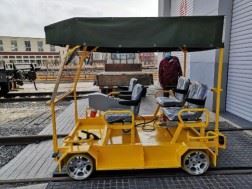
Importance of Fuel Tank Capacity for Customers
1. Operational Efficiency
For railway operators, the fuel tank capacity of a track car directly impacts their operational efficiency. A track car with a large enough fuel tank can complete more tasks in a single refueling cycle, reducing downtime and increasing productivity. For example, a railway maintenance crew using a track car with a sufficient fuel tank can cover a larger section of the railway line in a day, allowing them to carry out more inspections, repairs, or construction work.
2. Cost - Effectiveness
Fuel costs are a significant expense for railway operations. A track car with an appropriate fuel tank capacity and good fuel efficiency can help reduce overall fuel consumption and costs. By choosing a track car with the right balance of fuel tank size and engine efficiency, customers can save money in the long run.
3. Flexibility and Adaptability
A track car with a larger fuel tank provides greater flexibility in terms of where and when it can be used. It can be deployed in remote areas where refueling stations are scarce or in situations where continuous operation is required. This adaptability is especially valuable for railway projects in challenging environments or those with tight schedules.
Our Approach as a Track Car Supplier
As a track car supplier, we take a comprehensive approach to determining the fuel tank capacity of our track cars. Our research and development team conducts in - depth studies of the intended use of each track car model, considering factors such as the typical operating distance, the frequency of refueling opportunities, and the specific requirements of the railway tasks.
We also collaborate closely with engine manufacturers to ensure that our track cars are equipped with the most efficient engines available. By optimizing the engine - fuel tank combination, we can provide track cars that offer the best balance of performance, range, and cost - effectiveness.
In addition, we offer customization options for our customers. For those with unique requirements, such as long - distance railway transportation or operations in areas with limited refueling facilities, we can design and manufacture track cars with larger fuel tanks or alternative fuel systems. For example, our Customsized Railway Transportation Tools Lithium Battery Rail Trolley provides an alternative power source for customers who prefer a more environmentally friendly and potentially more cost - effective option.
Conclusion
The fuel tank capacity of a track car is a complex yet vital aspect of its design and performance. It is influenced by various factors, including the track car's type and purpose, engine efficiency, and weight and space constraints. As a track car supplier, we understand the importance of this parameter for our customers and strive to provide track cars that meet their specific needs.
If you are in the market for a track car and have questions about fuel tank capacity or any other aspect of our products, we encourage you to contact us for a detailed discussion. Our team of experts is ready to assist you in selecting the most suitable track car for your railway operations. We look forward to the opportunity to work with you and help you achieve greater efficiency and productivity in your railway projects.
References
- Railway Engineering Handbook, various editions
- Journal of Railway Technology and Innovation, multiple issues
- Manufacturer's specifications for track car engines and components