




What is the market demand for rail benders?
 Nov 18, 2025|
 Hey there! As a supplier of rail benders, I've been diving deep into the market demand for these nifty machines. So, let's chat about what's driving the need for rail benders in today's market.
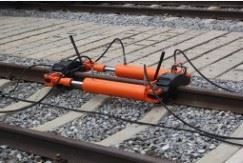
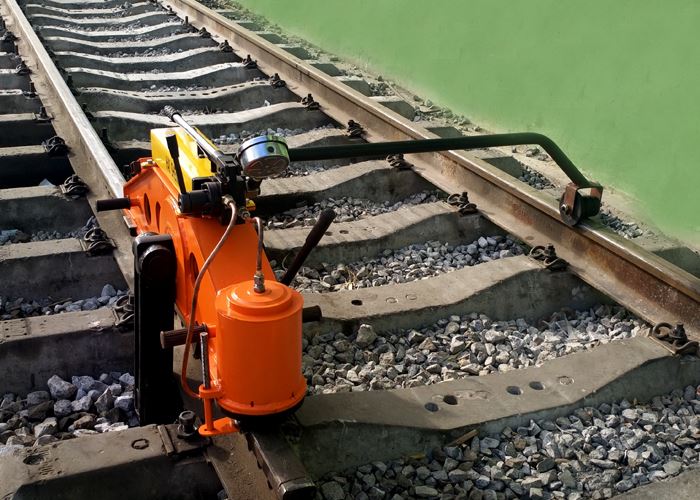
First off, what exactly is a rail bender? Well, it's a machine used to bend rails into various shapes and curves. Whether it's for railway tracks, tram lines, or even in industrial settings, rail benders play a crucial role. There are different types, like the Rail Bender (rail bending machine screw jack rail bender), which uses a screw jack mechanism, and the High stretching force rail tensor 900KN, a hydraulic one with high stretching capabilities.
Infrastructure Development
One of the major factors fueling the market demand for rail benders is infrastructure development. Governments around the world are investing heavily in building and upgrading railway networks. With the growth of urbanization, there's a need for better and more efficient public transportation systems. Trams and light rail systems are becoming increasingly popular in cities, as they offer a sustainable and convenient way to move people around.
For instance, in many developing countries, new railway lines are being constructed to connect major cities and economic hubs. These projects require a large number of bent rails to create curves and turns in the tracks. Rail benders are essential for shaping the rails according to the design specifications of the railway network. Even in developed countries, existing railway infrastructure needs regular maintenance and upgrades. Old tracks may need to be replaced, and new sections added, which again drives the demand for rail bending machines.
Industrial Applications
Rail benders aren't just for public transportation. They also have a wide range of industrial applications. In factories and warehouses, rails are often used for material handling systems. For example, overhead cranes and conveyor systems that run on rails need custom - bent rails to fit the layout of the facility. These industrial rails need to be bent precisely to ensure smooth operation of the equipment.
In the mining industry, rail systems are used to transport minerals and equipment within the mines. The tracks need to be bent to navigate through the uneven terrain underground. Rail benders are used to create the necessary curves and slopes in the tracks, allowing for efficient and safe transportation of goods. Additionally, in the shipbuilding industry, rails are used for various purposes, such as guiding equipment and moving parts during the construction process. Custom - bent rails are required to fit the unique design and layout of the shipyard.
Safety and Precision
Another reason for the high market demand is the need for safety and precision in rail bending. Modern rail benders are designed to provide accurate and consistent bends. This is crucial because even a small deviation in the bend of a rail can lead to safety hazards. For example, if a rail is not bent correctly, it can cause derailments of trains or other rail - based vehicles.
Our Rail Bender is equipped with advanced technology that allows for precise control of the bending process. It can bend rails to the exact specifications required by the project, ensuring the safety and reliability of the railway or industrial rail system. This level of precision is highly valued by customers, as it reduces the risk of accidents and costly downtime.
Cost - Effectiveness
In the long run, using a rail bender can be a cost - effective solution. Instead of buying pre - bent rails, which can be expensive and may not always meet the exact requirements of a project, companies can purchase a rail bender and bend the rails on - site. This not only saves money on the cost of the rails but also reduces transportation costs.
Moreover, a rail bender can be used for multiple projects over its lifespan. Once a company has invested in a high - quality rail bender, it can use it for various bending tasks, whether it's for a small - scale industrial project or a large - scale railway construction. This makes it a valuable asset for any business involved in rail - related work.
Technological Advancements
The rail bender industry has seen significant technological advancements in recent years. Newer models are more efficient, easier to operate, and offer better control over the bending process. For example, some rail benders now come with digital controls that allow operators to set the exact angle and radius of the bend. This makes the bending process faster and more accurate.
There are also improvements in the materials used to build rail benders. Stronger and more durable materials are being used, which increases the lifespan of the machine and reduces the need for frequent maintenance. These technological advancements are attracting more customers, as they offer better performance and value for money.
Environmental Considerations
In today's world, environmental sustainability is a major concern. Rail transportation is one of the most environmentally friendly modes of transportation, as it produces fewer greenhouse gas emissions compared to road or air transportation. By investing in rail infrastructure and using rail benders to build and maintain railway networks, we can contribute to a more sustainable future.
As more companies and governments focus on reducing their carbon footprint, the demand for rail - based transportation systems is likely to increase. This, in turn, will drive the demand for rail benders. Additionally, modern rail benders are designed to be more energy - efficient, further aligning with the global push towards environmental sustainability.
Challenges in the Market
While the market demand for rail benders is high, there are also some challenges. One of the main challenges is the high initial cost of purchasing a rail bender. For small - scale businesses or contractors, the upfront investment can be a significant barrier. However, many suppliers offer financing options and rental services to make it more accessible.
Another challenge is the need for skilled operators. Rail bending requires a certain level of expertise to ensure that the rails are bent correctly. Companies need to invest in training their employees to operate the rail benders safely and efficiently. There's also competition in the market, with many suppliers offering similar products. To stand out, suppliers need to focus on providing high - quality machines, excellent customer service, and innovative solutions.
Conclusion
In conclusion, the market demand for rail benders is strong and is expected to continue growing in the coming years. Driven by infrastructure development, industrial applications, safety and precision requirements, cost - effectiveness, technological advancements, and environmental considerations, rail benders play a vital role in the rail industry.
If you're in the market for a rail bender, whether for a large - scale railway project or a small - scale industrial application, we're here to help. Our range of rail benders, including the Rail Bender (rail bending machine screw jack rail bender), High stretching force rail tensor 900KN, and Rail Bender, are designed to meet your specific needs. We offer high - quality products, reliable after - sales service, and competitive pricing. So, if you're interested in purchasing a rail bender or have any questions about our products, don't hesitate to get in touch for a purchase negotiation.
References
- Railway Infrastructure Development Reports from International Union of Railways (UIC)
- Industrial Rail System Design and Application Manuals
- Market Research Reports on the Rail Bending Machine Industry