




What is the power - to - weight ratio of a rail vehicle?
 Jan 21, 2026|
 What is the power - to - weight ratio of a rail vehicle? Well, let me break it down for you. I'm part of a rail vehicle supplier, and understanding this concept is super crucial for both us and anyone interested in rail transport.
The power - to - weight ratio is basically a measure of how much power a vehicle has relative to its weight. In the context of rail vehicles, it's calculated by dividing the power output of the vehicle's engine (or power source) by its total weight. This ratio is a key indicator of a rail vehicle's performance, determining how fast it can accelerate, how efficiently it can climb gradients, and how well it can haul loads.
Let's talk about why it matters. A high power - to - weight ratio means that the vehicle has more power available for each unit of its weight. When a rail vehicle has a high power - to - weight ratio, it can speed up more quickly. Just like a sports car with a high power - to - weight ratio can go from 0 to 60 mph in no time, a rail vehicle with a good ratio can rapidly reach its cruising speed. This is not only important for passenger trains where reducing travel time is a big deal, but also for freight trains that need to move large amounts of goods as efficiently as possible.
Climbing gradients is another area where the power - to - weight ratio comes into play. Railways often have to traverse hilly or mountainous terrain, and a vehicle with a low ratio might struggle to get up those slopes. On the other hand, a high - ratio rail vehicle can smoothly ascend gradients without losing too much speed or stalling out. This makes it possible to build railway lines in more challenging geographical locations, opening up new areas for transportation and trade.
When it comes to hauling capacity, a higher power - to - weight ratio allows the vehicle to pull heavier loads. For freight rail, this means being able to carry more cargo in each trip, which translates to cost savings and increased efficiency. The power - to - weight ratio helps in optimizing the use of resources, ensuring that the vehicle is not over - or under - utilized.
Now, as a rail vehicle supplier, we pay a lot of attention to this ratio. We're constantly working on improving the technology to boost the power output while keeping the weight in check. Whether it's upgrading the engines to be more powerful and fuel - efficient or using lightweight yet strong materials in the construction of the carriages, every little improvement counts.
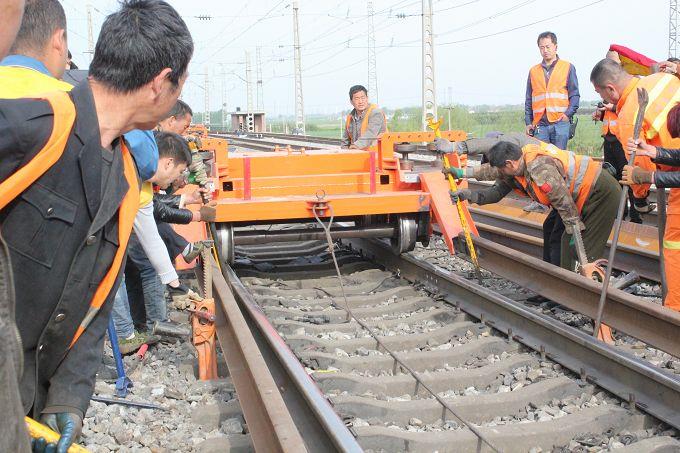
Let me give you a bit of a real - world example. We've noticed that with the HGC Designed Top Quality Rail Exchanging Cars, the power - to - weight ratio has a significant impact on their performance. These cars are used for track - changing operations, and a good ratio enables them to move quickly and precisely, reducing the time needed for track maintenance and replacement. This not only improves the overall efficiency of the railway system but also minimizes disruptions to regular train services.
Another product in our lineup, the Railway rail track laying equipment machine train track replacement machines track renewal machine, also benefits from a well - optimized power - to - weight ratio. These heavy - duty machines need to be powerful enough to handle the large - scale operation of laying or replacing tracks, but at the same time, they need to be mobile and efficient. A high ratio allows them to move around the construction site easily and complete the tasks in a timely manner.
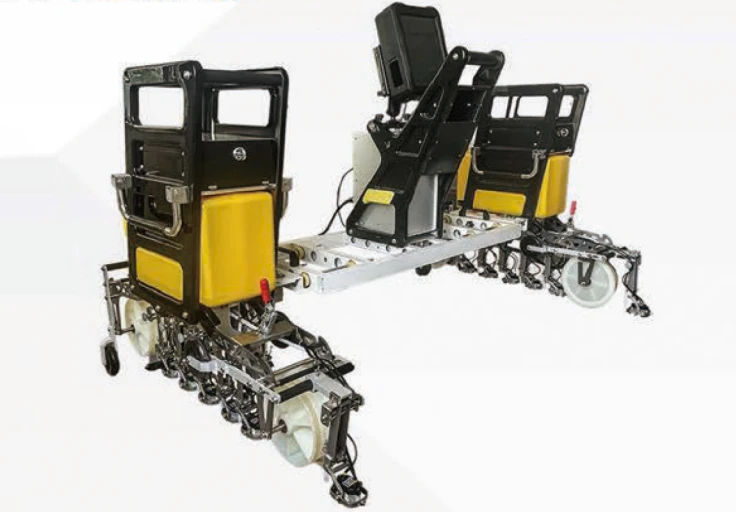
Even our smaller - scale product, the DRT - 1 Hand Push Dual Track Rail Tester, can be affected by the power - to - weight concept. Although it's hand - pushed, having a more balanced ratio in terms of the internal components and overall structure can make it easier to operate and more accurate in its testing functions.
When considering the power - to - weight ratio in rail vehicle design, there are a few trade - offs. Sometimes, increasing the power can mean adding more components or fuel, which in turn increases the weight. So, it's a delicate balancing act. Engineers have to look at the specific requirements of each type of rail vehicle. For a high - speed passenger train, the focus might be on achieving a very high ratio for maximum speed and acceleration. For a slow - moving freight train designed for heavy hauls, the ratio might be optimized to handle the load rather than to achieve high speeds.
In terms of the future, we expect further advancements in technology to improve the power - to - weight ratio of rail vehicles even more. New engine designs, such as hybrid or electric engines with better power - storage capabilities, could provide more power while reducing the overall weight. Additionally, the development of advanced composite materials that are both lightweight and strong will allow for more efficient vehicle construction.
So, if you're involved in the railway industry, whether you're in charge of a large - scale freight operation, a passenger train service, or involved in track maintenance, the power - to - weight ratio of your rail vehicles is something you can't ignore. It directly impacts the performance, efficiency, and cost - effectiveness of your operations.
If you're interested in upgrading your rail vehicle fleet or looking for high - performance rail equipment that is optimized in terms of power - to - weight ratio, we're here to help. We have a wide range of products that are designed with the latest technology and engineering expertise to meet your specific needs. Reach out to us for a detailed discussion on how we can customize solutions for you. Let's start a conversation and see how we can improve your railway operations together.
References
- Standard textbooks on railway engineering
- Industry reports on rail vehicle performance and efficiency
- Research papers on power - to - weight ratio in transportation vehicles