




What is the wear rate of a rail drill bit?
 Jun 19, 2025|
 Hey there! As a supplier of rail drills, I often get asked about the wear rate of rail drill bits. It's a crucial topic because the wear rate directly impacts the efficiency, cost, and overall performance of rail drilling operations. So, let's dive right in and explore what the wear rate of a rail drill bit really means.
First off, what is the wear rate? Simply put, the wear rate of a rail drill bit is how fast the bit loses its material during the drilling process. You can think of it as how quickly the drill bit gets worn out. This is usually measured in terms of volume loss per unit of time or per unit of drilling distance. For example, we might talk about how many cubic millimeters of the drill bit material are lost after drilling a certain number of holes or after a specific number of hours of operation.
There are several factors that can affect the wear rate of a rail drill bit. One of the most significant factors is the type of material the rail is made of. Rails can be made from different grades of steel, and some are harder and more abrasive than others. If you're drilling into a high - strength steel rail, the drill bit will experience more wear compared to drilling into a softer steel rail. The hardness of the rail material directly affects how much force is needed to cut through it, and more force often means more wear on the drill bit.
Another important factor is the drilling parameters. The speed at which the drill rotates (rotational speed) and the pressure applied during drilling (feed rate) play a big role. If the rotational speed is too high, the drill bit can overheat. High temperatures can cause the drill bit material to soften and wear out more quickly. On the other hand, if the feed rate is too low, the drill bit may not cut efficiently, and it can lead to excessive rubbing against the rail, also increasing wear. Finding the right balance between rotational speed and feed rate is crucial for minimizing the wear rate.
The quality of the drill bit itself also matters a great deal. Drill bits made from high - quality materials with advanced coatings tend to have a lower wear rate. For instance, drill bits with a titanium nitride (TiN) coating are more resistant to wear because the coating provides a hard, protective layer. These coated bits can last longer and maintain their cutting edge better than uncoated ones.
Now, why does the wear rate matter? Well, from a cost perspective, a high wear rate means you'll have to replace drill bits more frequently. This can significantly increase the overall cost of your rail drilling operations. Not only do you have to spend money on new drill bits, but there's also the downtime associated with changing the bits. Every time you stop the drilling process to replace a worn - out bit, it slows down the project and can lead to additional labor costs.
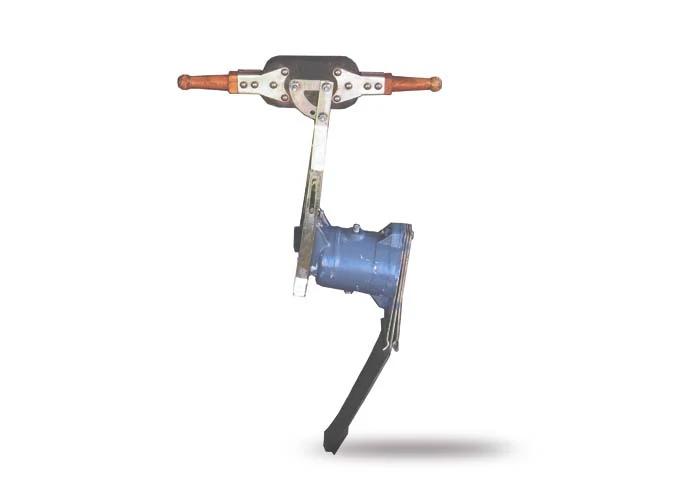
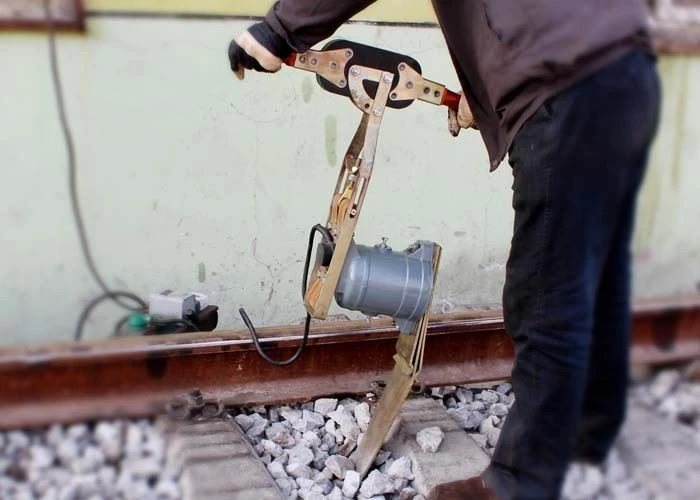
In terms of performance, a worn - out drill bit doesn't drill as efficiently. It may produce holes that are not as accurate in terms of size and shape. This can be a problem when you're working on a rail project where precision is crucial. For example, if the holes are not the right size, it can affect the installation of other components on the rail.
As a rail drill supplier, we understand the importance of minimizing the wear rate of our drill bits. That's why we offer a range of high - quality drill bits designed to withstand the rigors of rail drilling. Our drill bits are made from top - notch materials and are often coated to enhance their wear resistance.
If you're looking for other related products, we also have some great options. Check out our Smart Rail Tamping Machine Unit. This machine is designed to help with the tamping process, which is an important part of rail construction and maintenance. And if you need a tamping machine specifically for railway applications, take a look at our For Railway Smart Rail Tamping Machine Unit. We also have a hot - selling handheld tool, the D - 3 Hot Selling Top Quality Handheld Tools Vibrating Electric Tamper Rammer, which is very useful for smaller - scale tamping jobs.
If you're interested in our rail drills or any of our other products, we'd love to have a chat with you about your specific needs. Whether you're a large - scale rail construction company or a small - time contractor, we can provide you with the right solutions to optimize your operations. Contact us to start a procurement discussion and see how we can help you get the most out of your rail drilling and related projects.
In conclusion, understanding the wear rate of a rail drill bit is essential for anyone involved in rail drilling. By considering factors like rail material, drilling parameters, and drill bit quality, you can take steps to minimize wear and improve the efficiency and cost - effectiveness of your operations. So, don't hesitate to reach out and let's work together to make your rail projects a success.
References
- Smith, J. (2020). "The Impact of Material Hardness on Drill Bit Wear in Rail Drilling". Journal of Rail Engineering.
- Johnson, A. (2019). "Optimizing Drilling Parameters for Reduced Drill Bit Wear". International Journal of Construction Machinery.