




What is the working principle of a hydraulic railroad tamper?
 Dec 18, 2025|
 What is the working principle of a hydraulic railroad tamper?
Hey there! I'm a supplier of railroad tamper equipment, and I'm super excited to share with you all about the working principle of a hydraulic railroad tamper. These machines are crucial in the railway industry, and understanding how they work can give you a whole new appreciation for the technology behind maintaining smooth and safe train tracks.
Let's start with the basics. A railroad tamper, also known as a tamping machine, is used to pack the ballast (the crushed stone or gravel) under the railway tracks. This helps to support the tracks, keep them in the correct position, and prevent them from shifting due to the weight and movement of trains. And when we're talking about hydraulic railroad tampers, the hydraulic system is the heart of the operation.
The hydraulic system in a railroad tamper is like the muscle behind the machine. It uses fluid pressure to generate the force needed for tamping. Hydraulic pumps are responsible for moving the hydraulic fluid through the system. When the pump operates, it takes in the fluid from a reservoir and then pressurizes it. This pressurized fluid is then sent to different hydraulic cylinders.
You can think of these hydraulic cylinders as the "arms" of the tamper. They're connected to the tamping tools, which are the parts that actually do the work of packing the ballast. When the pressurized fluid enters a cylinder, it pushes a piston inside the cylinder. As the piston moves, it causes the tamping tools attached to it to move as well.
There are two main types of movements for the tamping tools: vertical and horizontal. The vertical movement is what allows the tamping tools to penetrate the ballast. The hydraulic cylinders force the tools down into the ballast, getting them into position to do their job.
The horizontal movement is where the real packing action happens. Once the tamping tools are in the ballast, the hydraulic system makes them move towards each other. This pinches the ballast together, effectively packing it tightly around the railway sleepers (the cross - pieces that hold the tracks in place). The tight packing of the ballast provides a stable foundation for the tracks.
Another important aspect of the hydraulic railroad tamper is its control system. Modern tampers are equipped with advanced control systems that allow operators to precisely control the movements of the tamping tools. These systems can adjust the pressure, speed, and depth of the tamping operations according to the specific requirements of the railway track. For example, if the track is in a particularly sensitive area or if a different type of ballast is being used, the operator can make the necessary adjustments using the control panel.
Now, I want to mention some of the products we offer. We've got the Hydraulic Ballast Tamping Machine YD - 22 For Railway. This machine is a great example of our advanced hydraulic technology in action. It's designed to be efficient and reliable, with all the features I've been talking about. The hydraulic system in the YD - 22 is top - notch, providing enough power for effective tamping operations while still being easy to control.
We also have a wide range of Rail Tamper and Railroad Tamper options to suit different customer needs. Whether you're working on a small - scale railway project or a large - scale commercial operation, we've got a tamper that will fit the bill.
The hydraulic railroad tamper also has some safety features built into it. The hydraulic system is designed to be stable and reliable, reducing the risk of sudden malfunctions. Additionally, the machine is equipped with sensors and alarms that can alert the operator if there are any issues during the tamping process. For example, if the pressure in the hydraulic system is too high or if the tamping tools are not operating correctly, the alarms will go off, and the operator can take immediate action.
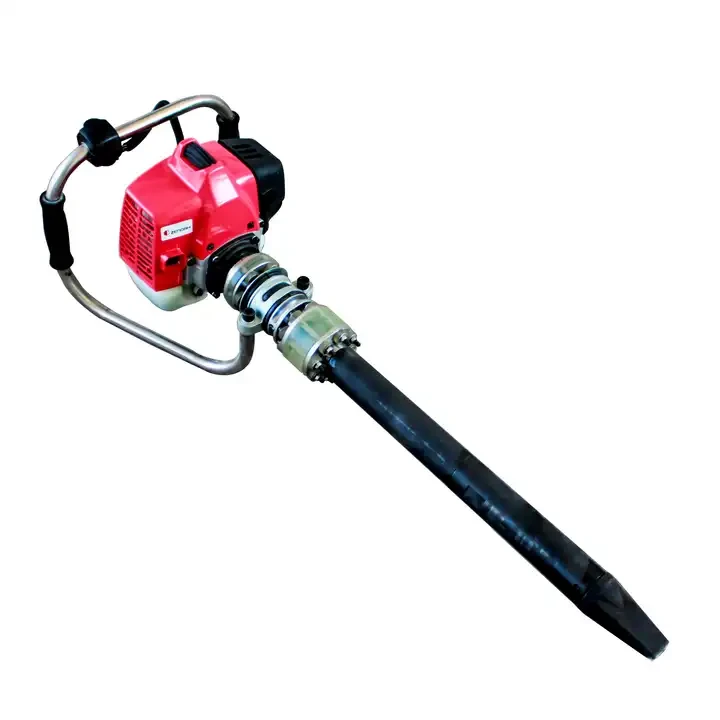
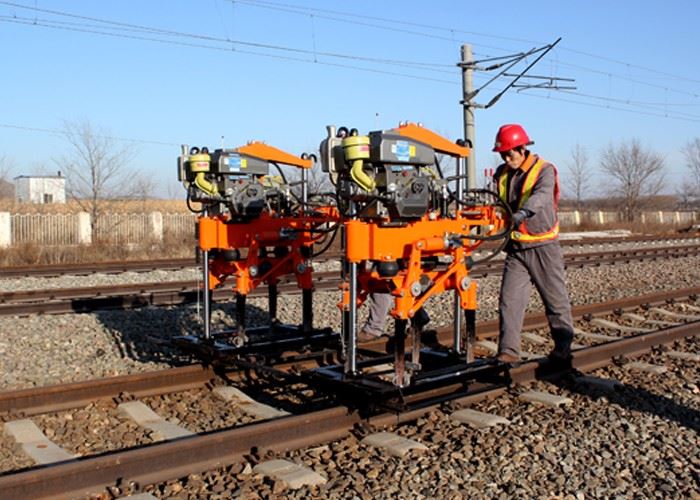
The maintenance of a hydraulic railroad tamper is also relatively straightforward. The hydraulic system needs regular checks to ensure that the fluid levels are correct and that there are no leaks. The tamping tools need to be inspected for wear and tear, and replaced if necessary. By following a proper maintenance schedule, you can ensure that your tamper will last for a long time and continue to perform at its best.
In conclusion, the working principle of a hydraulic railroad tamper is based on the power of the hydraulic system. It uses fluid pressure to drive the movements of the tamping tools, which pack the ballast under the railway tracks. With advanced control systems, safety features, and reliable performance, these machines are essential for the proper maintenance of railway tracks.
If you're in the market for a railroad tamper, we'd love to have a chat with you. Whether you have questions about the working principle, the specifications of our products, or you're ready to start a purchase discussion, we're here to help. Don't hesitate to reach out to us to start that conversation.
References
- Railway Track Maintenance Handbook: Covers general principles of track maintenance including the use of railroad tampers.
- Hydraulic Machinery Technology Manuals: Provide in - depth information about hydraulic systems used in heavy - machinery.