




What precautions should be taken when using a rail drill in cold environments?
 Dec 08, 2025|
 When it comes to using a rail drill in cold environments, there are several crucial precautions that need to be taken to ensure both the safety of the operators and the efficiency of the equipment. As a rail drill supplier, I've witnessed firsthand the challenges that cold weather can pose to rail drilling operations. In this blog, I'll share some essential tips and precautions based on my experience in the industry.
Equipment Preparation
Lubrication
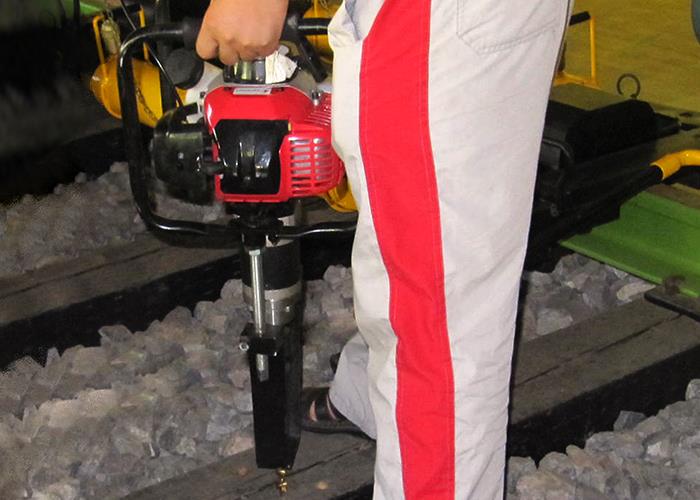
In cold environments, the viscosity of lubricants changes significantly. Thickened lubricants can impede the smooth operation of the rail drill. Therefore, it's essential to use lubricants specifically designed for low - temperature conditions. These lubricants maintain their fluidity at lower temperatures, ensuring proper lubrication of moving parts such as the drill bit, gears, and bearings. For example, our NZMZ - 20 High Quality Internal Combustion Wooden Sleeper Drilling Machine requires regular lubrication, and using the right low - temperature lubricant can prevent excessive wear and tear on its components.
Battery and Power Systems
If your rail drill is battery - powered, cold temperatures can severely reduce battery performance. Batteries discharge more quickly in the cold, and their ability to hold a charge is also diminished. Before using the drill in cold conditions, fully charge the batteries and keep them warm until just before use. You can use battery warmers or store the batteries in a heated area. For drills with internal combustion engines, cold weather can make starting difficult. Make sure the fuel is suitable for cold - weather use and that the engine has been properly maintained. The Inter Rail Compactor has a reliable power system, but in cold environments, extra attention to the power source is necessary.
Drill Bit Inspection
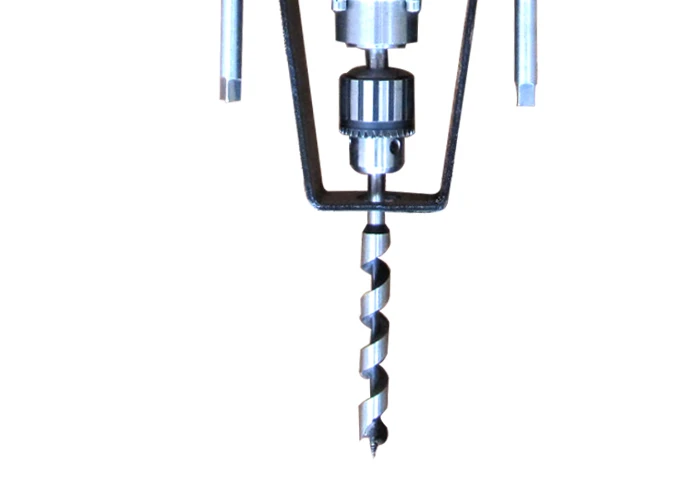
Cold temperatures can make drill bits more brittle. Inspect the drill bits carefully before use to ensure there are no cracks or signs of damage. Dull or damaged drill bits can not only reduce drilling efficiency but also pose a safety hazard. Replace any worn - out or damaged drill bits with new ones. A sharp drill bit will cut through the rail more easily, reducing the strain on the drill and minimizing the risk of bit breakage.
Operator Safety
Personal Protective Equipment (PPE)
In cold environments, operators need to wear appropriate PPE to protect themselves from the cold and potential hazards. Insulated clothing, gloves, and safety boots are essential. Gloves should be thick enough to keep hands warm but still allow for dexterity to operate the drill controls. Safety glasses are also necessary to protect the eyes from flying debris during drilling. Additionally, a hard hat and high - visibility clothing should be worn to comply with safety regulations.
Training
Operators should be trained on the specific challenges of using a rail drill in cold weather. They need to understand how cold temperatures affect the equipment's performance and how to respond to potential issues. Training should cover topics such as starting procedures in the cold, how to monitor the equipment for signs of malfunction, and emergency shutdown procedures. Proper training can prevent accidents and ensure that the rail drill is used effectively in cold conditions.
Rest Breaks
Cold weather can be physically exhausting for operators. It's important to schedule regular rest breaks to allow operators to warm up and recover. Prolonged exposure to cold can lead to hypothermia and other cold - related illnesses. Provide a warm and sheltered area where operators can take breaks, drink hot beverages, and rest their bodies.
Environmental Considerations
Site Conditions
Before starting the drilling operation, assess the site conditions. Snow and ice on the ground can make the work area slippery, increasing the risk of falls. Clear the area of snow and ice as much as possible, and use anti - slip mats if necessary. The ground may also be frozen, which can affect the stability of the drill. Make sure the drill is properly set up on a stable surface to prevent it from tipping over during operation.
Ventilation
If using an internal combustion - powered rail drill, proper ventilation is crucial. Cold air can be denser, and in enclosed or semi - enclosed areas, exhaust fumes can accumulate more quickly. Ensure that there is adequate ventilation to prevent the build - up of carbon monoxide and other harmful gases. This is especially important when working in tunnels or other confined spaces.
Frost Heave
Frost heave can cause the ground to shift and move, which can affect the alignment of the rail and the accuracy of the drilling. Monitor the ground for signs of frost heave during the drilling operation. If significant movement is detected, stop the operation and re - evaluate the situation. Adjust the drill's position and settings as necessary to ensure accurate drilling.
Maintenance During and After Use
During Use
Regularly monitor the rail drill during operation. Listen for any unusual noises, vibrations, or changes in performance. If the drill seems to be working harder than normal or if there are any signs of malfunction, stop the operation immediately and investigate the cause. Check the lubrication levels periodically to ensure that the moving parts are still properly lubricated.
After Use
After using the rail drill in cold conditions, it's important to perform thorough maintenance. Clean the drill to remove any snow, ice, dirt, or debris. Dry the drill completely to prevent rust and corrosion. Lubricate all moving parts again with the appropriate low - temperature lubricant. If the drill has a battery, remove it and store it in a warm place. For internal combustion engines, drain the fuel if it's not suitable for long - term storage in cold conditions.
Additional Tools and Accessories
Heated Accessories
Consider using heated accessories to improve the performance of the rail drill in cold environments. Heated drill bit holders can keep the drill bits warm, reducing the risk of brittleness. Heated handles can also make it more comfortable for operators to hold the drill, especially in extremely cold weather. The Smart Battery Rail Bolt Lubricator can be used in conjunction with the rail drill, and in cold weather, heated components can enhance its functionality.
Insulation Covers
Insulation covers can be used to keep the rail drill warm when it's not in use. These covers can help maintain the temperature of the equipment and reduce the time it takes to warm up the drill before starting a new operation. They can also protect the drill from the elements, such as snow and ice.
In conclusion, using a rail drill in cold environments requires careful planning and preparation. By taking the precautions outlined above, operators can ensure the safety of themselves and the efficiency of the equipment. As a rail drill supplier, we are committed to providing high - quality products and the necessary support to help our customers succeed in challenging environments. If you have any questions about using our rail drills in cold conditions or are interested in purchasing our products, please feel free to contact us for a detailed discussion and procurement negotiation.
References
- "Cold Weather Equipment Operation Guidelines," Industry Standard Manual on Heavy Equipment, 2022.
- "Safety in Cold Environments," Occupational Safety and Health Administration (OSHA) Publication, 2021.
- "Railway Maintenance in Extreme Conditions," Journal of Railway Engineering, Vol. 15, Issue 3, 2023.