




How much energy does a Track Cutter consume?
 Dec 09, 2025|
 Hey there! As a supplier of track cutters, I often get asked about how much energy these machines consume. It's a crucial question, especially for those in the railway maintenance and construction industry, as energy consumption directly impacts operational costs and environmental footprints. So, let's dive right into it and break down the energy consumption of track cutters.
First off, it's important to understand that there are different types of track cutters, and each type has its own energy - consumption characteristics. The main types we deal with are the electric - powered, internal combustion - powered, and hydraulic - powered track cutters.
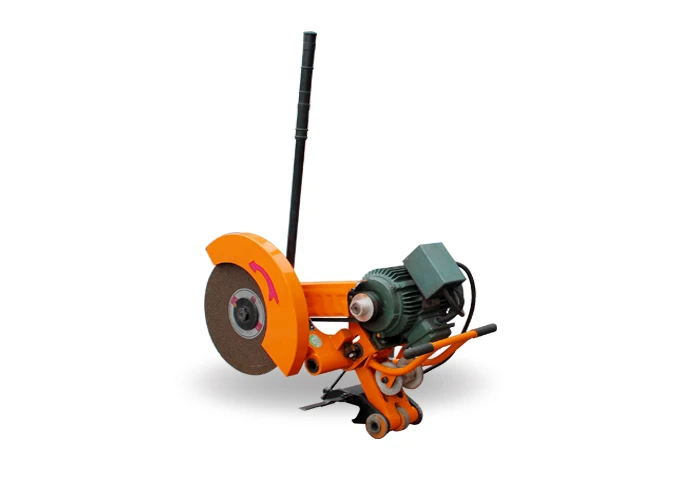
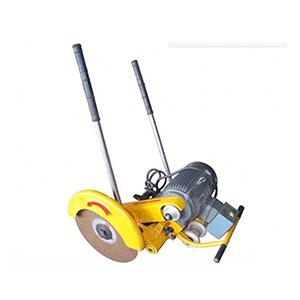
Let's start with electric track cutters. These are quite popular because they're relatively clean and easy to operate in enclosed spaces. Take the QG - 3II High Speed Electric Rail Cutting Machine for example. Electric track cutters draw power from an electrical grid or a generator. The energy consumption of an electric track cutter is mainly determined by its motor power rating.
The power rating of an electric motor is usually measured in kilowatts (kW). A typical electric track cutter might have a motor power rating ranging from 2 kW to 10 kW. When the machine is running at full load, it will consume energy at a rate equal to its power rating. For instance, if a track cutter has a 5 - kW motor and it runs for 1 hour at full load, it will consume 5 kilowatt - hours (kWh) of electricity.
However, in real - world scenarios, track cutters don't always run at full load. They might be idling, cutting at a lower speed, or performing other operations that require less power. So, on average, an electric track cutter might consume around 2 - 5 kWh per hour of actual cutting time. This can vary depending on factors like the hardness of the rail, the cutting speed, and the efficiency of the motor.
Now, let's talk about internal combustion - powered track cutters. These machines use gasoline or diesel engines to generate power. An example of this type is the Internal Combustion Abrasive Rail. The energy consumption of an internal combustion engine is measured in terms of fuel consumption, usually in liters per hour (L/h).
The fuel consumption of an internal combustion track cutter depends on the engine's displacement, power output, and the load it's under. A small - displacement engine (around 50 - 100 cc) in a track cutter might consume about 0.5 - 1 L of gasoline per hour under normal cutting conditions. Larger engines with higher power outputs can consume 2 - 5 L of diesel per hour.
One of the advantages of internal combustion track cutters is that they can be used in remote locations where there's no access to electricity. But they do have some drawbacks. They produce emissions, which can be a concern in environmentally sensitive areas, and the cost of fuel can add up over time.
Hydraulic track cutters are another option. These machines use hydraulic power to drive the cutting mechanism. The energy consumption of a hydraulic track cutter is related to the power of the hydraulic pump and the efficiency of the hydraulic system.
The power of a hydraulic pump is also measured in kilowatts. A hydraulic track cutter typically has a pump power rating of 3 - 8 kW. Similar to electric track cutters, the actual energy consumption will depend on the load and the operating conditions. On average, a hydraulic track cutter might consume 3 - 6 kWh per hour of cutting time.
There are also some factors that can affect the energy consumption of track cutters across all types. The hardness of the rail is a big one. Cutting through a harder rail requires more energy because the cutting tool has to work harder to remove the material. For example, if you're cutting through a high - strength alloy rail, the track cutter will consume more energy compared to cutting through a standard carbon - steel rail.
The cutting speed also plays a role. Higher cutting speeds generally require more energy. If you try to cut too fast, the machine has to work harder to maintain the cutting action, which increases energy consumption. On the other hand, cutting too slowly might not be efficient either, as the machine will be running for a longer time.
The condition of the cutting tool is another important factor. A dull cutting tool will require more energy to cut through the rail. It's like trying to cut through a piece of wood with a blunt saw - it takes a lot more effort. So, regularly sharpening or replacing the cutting tool can help reduce energy consumption.
Now, why does all this matter? Well, for one, understanding the energy consumption of track cutters can help railway companies and contractors manage their operational costs. By choosing the right type of track cutter for the job and optimizing its operation, they can save on energy costs.
For example, if a project is located in an area with easy access to electricity, an electric track cutter might be the most cost - effective option in the long run, despite the initial investment. On the other hand, if the project is in a remote location, an internal combustion track cutter might be the only practical choice.
In addition, reducing energy consumption is also good for the environment. Less energy consumption means fewer emissions and a smaller carbon footprint. This is becoming increasingly important as more and more companies are looking to adopt sustainable practices.
As a track cutter supplier, we're always looking for ways to improve the energy efficiency of our products. We work with manufacturers to develop more efficient motors, engines, and hydraulic systems. We also provide training to our customers on how to operate the track cutters in the most energy - efficient way.
If you're in the market for a track cutter and want to learn more about energy consumption or other features, feel free to reach out to us. We can help you choose the right track cutter for your specific needs and provide you with detailed information on energy consumption and operating costs. Whether you're looking for an electric, internal combustion, or hydraulic track cutter, we've got you covered. And don't forget to check out our Rail Profile Grinding Machine if you're also interested in rail grinding equipment.
Let's work together to make your railway projects more efficient and sustainable!
References
- General knowledge of railway equipment engineering
- Manufacturer's specifications of track cutters