




What skills are required to operate a Track Cutter?
 Oct 22, 2025|
 Hey there! As a supplier of track cutters, I've seen firsthand the importance of having the right skills to operate these machines effectively. In this blog post, I'll share with you the key skills required to operate a track cutter safely and efficiently.
Technical Knowledge
First off, you gotta have a good grasp of the technical aspects of the track cutter. This includes understanding how the machine works, its components, and its operating principles. You need to know about the power source, whether it's an electric motor, a gasoline engine, or something else. Familiarize yourself with the cutting blade - its size, type, and how it interacts with the rail.
For instance, the Internal Combustion Abrasive Rail is a popular type of track cutter. Knowing how its internal combustion engine functions, how to start and stop it properly, and how to maintain it is crucial. You should also understand the safety features of the machine, like emergency stop buttons and safety guards.
Safety Skills
Safety is non - negotiable when operating a track cutter. You need to be aware of all the safety regulations and follow them religiously. This means wearing the right personal protective equipment (PPE), such as safety glasses, ear protection, gloves, and steel - toed boots.
Before you start the machine, conduct a thorough pre - operation inspection. Check for any loose parts, damaged cables, or leaks. Make sure the cutting blade is properly installed and in good condition. During operation, always keep a safe distance from moving parts and be aware of your surroundings. If you're working near other workers or equipment, communicate effectively to avoid accidents.
Physical Skills
Operating a track cutter requires a certain level of physical strength and dexterity. You'll need to be able to lift and position the machine on the rail. This can be quite heavy, especially if it's a larger model. You also need to have good hand - eye coordination to guide the cutting blade accurately along the rail.
Steady hands are essential for making clean and precise cuts. The vibrations from the machine can make it challenging, but with practice, you'll learn to control the cutter and get the desired results. Additionally, you should have the stamina to work for extended periods, as track cutting jobs can sometimes be time - consuming.
Maintenance Skills
A well - maintained track cutter performs better and has a longer lifespan. You should know how to perform basic maintenance tasks, like cleaning the machine after use, lubricating moving parts, and changing the cutting blade when it's worn out.
For example, the SNGM - 180 Portable Rail Grinding Machine requires regular maintenance to keep it in top shape. You need to know how to check the oil level, replace filters, and adjust the grinding wheel. By taking good care of the machine, you can avoid breakdowns and costly repairs.
Problem - Solving Skills
Things don't always go smoothly on the job. You might encounter issues like the cutting blade getting stuck, the machine losing power, or uneven cuts. That's when your problem - solving skills come in handy.
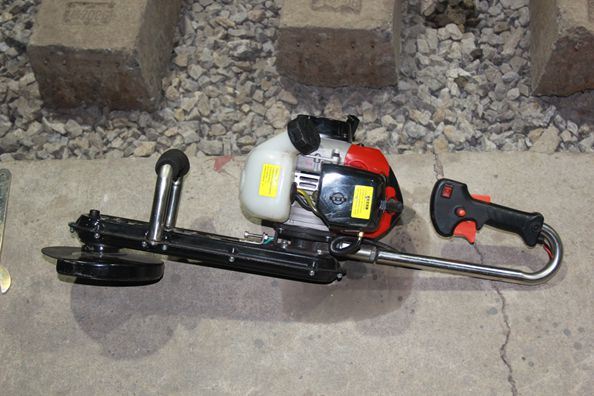
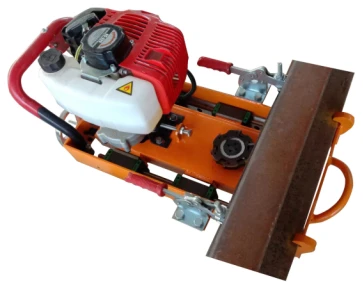
You should be able to diagnose the problem quickly and come up with a solution. Sometimes, it could be as simple as adjusting the tension of the blade or cleaning a clogged air filter. Other times, you might need to troubleshoot more complex electrical or mechanical issues. Having a basic understanding of the machine's systems and being able to think on your feet is essential.
Training and Certification
While on - the - job experience is valuable, getting proper training and certification is highly recommended. There are many training programs available that cover the operation, safety, and maintenance of track cutters. These programs can provide you with in - depth knowledge and hands - on practice.
Certification not only shows that you have the necessary skills but also gives employers and clients confidence in your abilities. It can also open up more job opportunities in the rail industry.
Communication Skills
If you're working as part of a team, communication skills are vital. You need to be able to communicate effectively with your colleagues, supervisors, and other workers on the site. This includes sharing information about the progress of the job, any issues you've encountered, and safety concerns.
For example, if you're using the Internal Combustion After Welding Rail Bottom Shearing Machine Grinding Machine and notice a problem with the rail surface, you need to let the relevant people know right away. Good communication can prevent mistakes and ensure that the job is completed safely and efficiently.
Adaptability
The rail industry is constantly evolving, and new track cutter models and technologies are being introduced all the time. You need to be adaptable and willing to learn new things. Whether it's a new type of cutting blade or an advanced control system, being able to quickly adapt to changes will make you a more valuable operator.
In conclusion, operating a track cutter requires a combination of technical, safety, physical, maintenance, problem - solving, communication, and adaptability skills. By developing these skills, you'll be able to operate the machine safely and efficiently, and deliver high - quality results.
If you're in the market for a track cutter or have any questions about operating these machines, I'd love to have a chat with you. Feel free to reach out and let's start a conversation about your needs.
References
- Industry standards and guidelines for track cutter operation
- Manufacturer's manuals for track cutters